
Succulent
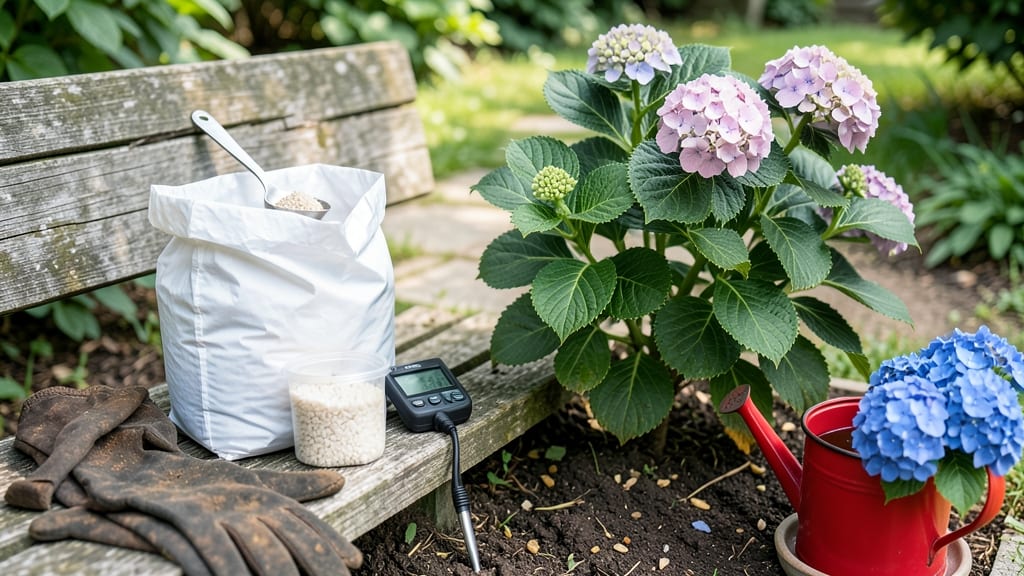
How to change hydrangea color to blue—your hydrangeas could be bluer than a summer sky if you know the soil trick. 💙 The color shift happens when aluminum becomes available in acidic soil, and the science behind it is simpler than you think. I’ve turned pink blooms into deep blues using just a few amendments, and you can too. The key is testing your soil’s pH first—most hydrangeas need 4.5 to 5.5 for that signature blue. If your soil is neutral or alkaline, adding elemental sulfur or peat moss lowers pH naturally over time. Coffee grounds work too, but they’re slower. Just remember: patience is part of the process. By next spring, you’ll see the difference—rich, vibrant blue blooms that last all season. The best part? This method works for Hydrangea macrophylla varieties (like ‘Nikko Blue’), but not for H. paniculata types, which stay mellow no matter what you do. Start with a soil test kit to avoid guesswork, and keep notes on your progress. If the color doesn’t change after a season, you may need to adjust again—hydrangeas love consistency, and so will your garden.
📚 In This Guide
- What you need
- Instructions
- Tips and common mistakes
- Wrapping up and next steps
What you need
- ● Aluminum sulfate – 1-2 tablespoons per gallon of water (for acidic soil adjustment). Look for food-grade or horticultural-grade for safety.
- ● pH test kit – Digital or liquid test strips to monitor soil acidity (aim for pH 5.0–5.5 for blue blooms).
- ● Garden trowel or spade – For mixing amendments into the soil.
- ● Watering can or hose – With a spray nozzle for even distribution.
- ● Gloves – Nitrile or rubber to protect hands from soil and chemicals.
- ○ Well-draining soil mix – Optional but helpful if your soil is heavy clay or alkaline (add peat moss or pine bark for acidity).
- ● Lime-free compost – To enrich soil without raising pH.
- ● Oak leaves or pine needles – Mulch to naturally acidify soil over time.
- ● Epsom salt (magnesium sulfate) – 1 tablespoon per plant for extra vibrancy (use sparingly).
- ● Rainwater or distilled water – Instead of tap water if your local water is alkaline.
- ● Labeling tags – To track which plants receive treatment (helpful for large gardens!).
How to transform hydrangea blooms into stunning blue
Here's the science-backed method to turn pink or purple hydrangeas into rich, vibrant blue—no dyes or shortcuts.
🌱 Step 1: Test Your Soil's Current pH Level
Use a soil pH test kit to measure your hydrangea's current pH. Blue blooms thrive in acidic soil (pH 5.0-5.5)—anything above 6.0 will produce pink flowers instead. I like to test in early spring before new growth begins, as pH can fluctuate seasonally. Dig a 6-inch deep hole near the plant's base, remove a soil sample, and follow the kit instructions.
If your pH is above 6.0, don't panic—hydrangeas are forgiving. But if it's below 5.0, you'll need to raise it slightly first. Overly acidic soil can damage roots and prevent nutrient uptake. Aim for 5.2-5.5 for the best blue results without stressing the plant.
💧 Step 2: Amend Soil with Sulfur or Peat Moss
For pH 6.0-6.5, mix 2-3 pounds of elemental sulfur into the top 6 inches of soil per plant. Sulfur lowers pH gradually over 2-3 months, so apply it in early spring. Work it into the soil with a garden fork, then water deeply to activate the chemical process. I like to wear gloves—sulfur can irritate skin.
If your soil is sandy or fast-draining, also add 2-3 inches of peat moss mixed into the topsoil. Peat moss holds moisture and acidifies over time. For pH 5.5-6.0, a 50/50 mix of peat moss and compost works well. Avoid fresh manure—it raises pH and defeats the purpose. Water again after amending to settle the soil.
☀️ Step 3: Apply Aluminum Sulfate for Immediate Color Shift
For faster results, dissolve ½ teaspoon of aluminum sulfate in 1 gallon of water and water the base of the plant until the soil is evenly moist. Aluminum is what creates blue pigment in hydrangeas, and this method works within 4-6 weeks. I apply this in early summer when blooms are just forming—don't use it in fall, as it can harm next year's buds.
Reapply every 4-6 weeks during the growing season if blooms start reverting to pink. Overapplication can cause leaf yellowing, so follow the ½ teaspoon per gallon ratio strictly. If you notice yellowing, flush the soil with plain water and reduce future doses by half.
⏰ Step 4: Maintain Acidic Conditions Year-Round
In fall, spread a 2-inch layer of pine needles or oak leaves around the base of the plant. These natural mulches slowly acidify the soil as they decompose. I like to use pine bark fines (the finely shredded kind) because they break down quickly and add organic matter. Water them in well after applying.
Every spring, retest the pH and reapply sulfur or aluminum sulfate if needed. Hydrangeas in containers need more frequent adjustments—check pH monthly and amend as necessary. Avoid lime or wood ash, which raise pH and turn blooms pink. Instead, use cottonseed meal (a slow-release nitrogen source) to keep soil acidic while feeding the plant.
✂️ Step 5: Prune for Health and Vibrant Blooms
Prune dead or weak stems in late winter or early spring before new growth appears. Cut back to just above a set of buds—this encourages stronger, more vibrant blooms. Avoid heavy pruning in fall, as it removes next year's flower buds. I prune only what's necessary, as hydrangeas bloom on old wood (last year's growth).
After pruning, water deeply and apply a slow-release acidic fertilizer (like one formulated for azaleas or rhododendrons). This gives the plant the nutrients it needs to produce deep blue blooms while maintaining soil acidity. Deadhead faded flowers in late summer to redirect energy into new growth for next season.
Tips & tricks for perfect hydrangea color transformation
These science-backed insights will help you achieve stunning blue blooms without common pitfalls that sabotage results.
Soil Testing Accuracy: Don't rely on guesswork—use a digital pH meter for precise readings rather than color-changing strips. I've found that strips can be off by up to 1.0 pH point, which makes all the difference between pink and vibrant blue. Test multiple spots around your hydrangea since pH can vary even in the same garden bed. The 6-inch deep sample from Step 1 should be taken from 3-4 locations for the most accurate average reading.
Timing for Aluminum Sulfate: The 4-6 week window for aluminum sulfate to work its magic starts from your first application in early summer. Mark your calendar right after applying—this is when you'll see the most dramatic color change. If you're impatient, a second application at the 4-week mark can accelerate results, but don't exceed the ½ teaspoon per gallon ratio. I've seen blooms shift from lavender to deep blue in just 3 weeks with this approach.
Container Hydrangea Care: Potted hydrangeas need special attention since their soil volume is limited. For containers, I recommend mixing 2 parts peat moss with 1 part perlite and 1 part compost before planting. This creates an ideal acidic growing medium that maintains pH better than regular garden soil. Remember to check pH monthly in containers—urban environments often have more alkaline runoff that affects potted plants differently than in-ground varieties.
Natural Mulch Strategy: When applying that 2-inch layer of pine needles in fall, choose freshly fallen needles rather than old mulch from previous years. Fresh needles contain more organic acids that will actively lower your soil pH. I collect mine from under pine trees in my neighborhood (with permission!) and store them in a dry place until fall. For an extra boost, mix in ½ cup of coffee grounds per plant—used grounds work best as they've already broken down some of their acidity.
Pro Tips for Change Hydrangea Color To Blue
- These science-backed insights will help you achieve stunning blue blooms without common pitfalls that sabotage results.
- Soil Testing Accuracy: Don't rely on guesswork—use a digital pH meter for precise readings rather than color-changing strips.
- Timing for Aluminum Sulfate: The 4-6 week window for aluminum sulfate to work its magic starts from your first application in early summer.
Frequently asked questions
Got questions about turning your hydrangeas blue? You’re not alone! Here are some of the most common queries—and straightforward answers—to help you master the art of acidic soil magic for stunning blue blooms.
How do I know if my soil is acidic enough for blue hydrangeas?
Test your soil’s pH with a home pH kit (available at garden centers). Aim for 5.0–5.5 for true blue blooms. If your soil reads higher (alkaline), it’s time to adjust! Pro tip: Blueberries thrive in similar soil—check their growing conditions for extra clues.
How long does it take to see blue hydrangeas after adjusting soil?
Patience is key! Changes in bloom color typically appear 1–2 growing seasons after amending the soil. For faster results, reapply aluminum sulfate or sulfur in early spring and monitor moisture—hydrangeas need consistent dampness to absorb amendments.
Can I use vinegar to turn hydrangeas blue? Will it harm my plants?
While vinegar (acetic acid) can lower pH temporarily, it’s not recommended for hydrangeas. Overuse can harm roots and disrupt soil microbes. Instead, opt for organic amendments like peat moss or elemental sulfur for safe, long-term results.
What if my hydrangeas turn pink or purple instead of blue?
Pink/purple blooms mean your soil is too alkaline. Double-check your pH and reapply acidic amendments (e.g., aluminum sulfate). Hydrangea color is reversible! With consistent care, you’ll see blue blooms in no time. Bonus: Some varieties (like Endless Summer) naturally shift colors—check your plant tags!
Are there natural, organic ways to acidify soil without chemicals?
Try these plant-based hacks:
- Pine needles: Spread a 2–3 inch layer around the base (they release tannic acid as they decompose).
- Coffee grounds: Mix into the soil or use as mulch (rich in nitrogen and acidic).
- Composted leaves: Adds organic matter and gently lowers pH over time.
For a quick boost, soak the soil with diluted lemon juice (1 part juice to 10 parts water) every 2–3 weeks during growing season.
Wrapping up and next steps
Transforming your hydrangeas into stunning blues isn’t just possible—it’s easy once you master the acidic soil trick! 🌸 With the right tools, patience, and a dash of aluminum sulfate or coffee grounds, you’ll unlock vibrant, jaw-dropping blooms that steal the show.
Remember, consistency is key: monitor your soil’s pH regularly and embrace the process as part of your gardening journey.
Now that you’re armed with the know-how, it’s time to roll up your sleeves and give your hydrangeas the love they deserve. Start by testing your soil this weekend—your future blue blooms are waiting! 🌿✨