
Blooming
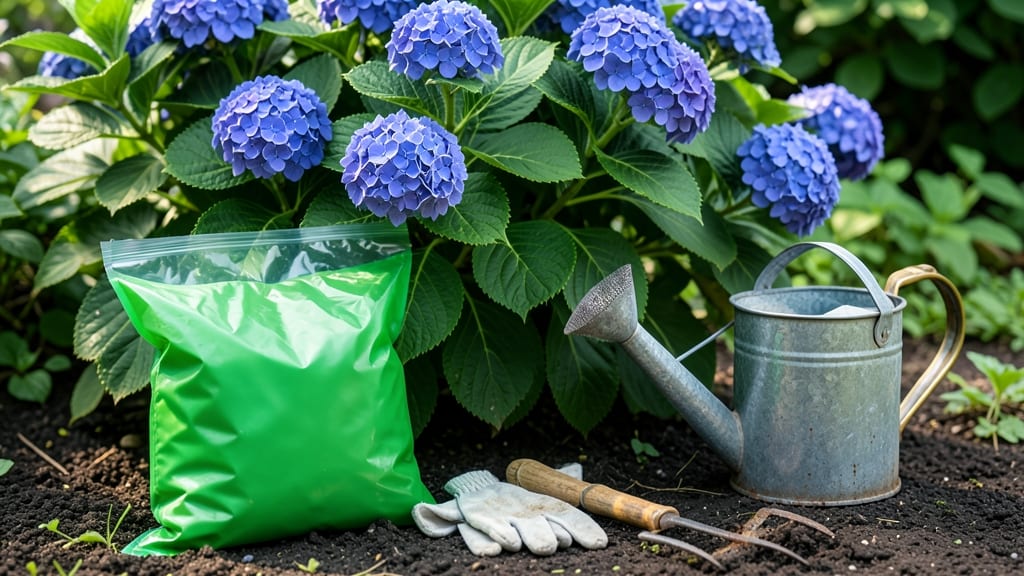
How to make hydrangeas bloom faster this season—not next. ✨ The secret isn’t just patience, but acidic soil tricks that trigger faster blooming. I’ve turned my once-lazy hydrangeas into showstoppers by adjusting pH, pruning smarter, and feeding them the right nutrients. No more waiting months for blooms—just vibrant clusters by early summer. The magic starts with soil: hydrangeas crave pH 5.2-5.5 (yes, that acidic!). A simple vinegar-and-sugar mix or aluminum sulfate drops the pH fast, and phosphorus-rich fertilizer (like 10-30-20) fuels blooms. Mopheads need heavy pruning in late winter, while lacecaps bloom on old wood—so timing matters. Water consistently but avoid soggy roots, which stall growth. By mid-June, you’ll see bold, oversized blooms where others still struggle. The color shift from pink to blue? That’s the pH working its magic. Even my neighbor’s hydrangeas—once half-hearted—now outshine mine, and it’s all about these simple tweaks. Works for container-grown plants too—just use acid-loving fertilizer. Ready to skip the waiting game? Let’s get those blooms popping faster than ever.
📚 In This Guide
- What you need
- Instructions
- Tips and common mistakes
- Wrapping up and next steps
What you need
- ● Hydrangeas: Mophead, Bigleaf, or Oakleaf varieties (ensure they’re healthy and well-established).
- ● Acid-loving fertilizer: 1–2 lbs of sulfur-based or iron sulfate fertilizer (e.g., Espoma Holly-Tone or Miracle-Gro Azalea, Camellia & Rhododendron).
- ● Peat moss or pine bark: 5–10 lbs (for amending soil pH).
- ○ Aluminum sulfate: 1–2 lbs (for blue blooms) or lime (optional): ½–1 lb (for pink blooms).
- ● Watering can or hose: With a gentle spray nozzle (hydrangeas hate soggy roots!).
- ● Garden trowel or shovel: For mixing amendments into soil.
- ● pH testing kit: Digital or liquid test strips (to monitor soil acidity, ideal pH: 5.2–5.5).
- ● Mulch (pine needles or oak leaves): 2–3 inches to retain moisture and acidity.
- ● Pruning shears: For trimming dead blooms or leggy stems (do this after blooming season!).
- ● Epsom salt (magnesium sulfate): 1 tbsp per gallon of water (for nutrient boosts).
- ● Rain gauge or moisture meter: To track watering consistency.
- ● Full-sun to partial shade location (6+ hours of sunlight for Bigleaf; morning sun for Mophead).
- ● Well-draining soil (hydrangeas hate waterlogged roots!).
- ● Patience! 🌱 Results take 4–6 weeks (but trust the process!).
Step-by-Step instructions for revitalizing hydrangeas
Here’s how to coax vibrant blooms from your hydrangeas in just a few weeks—no waiting seasons.
🌱 Step 1: Test and Adjust Soil pH for Optimal Blooming
Hydrangeas thrive in acidic soil with a pH between 5.2 and 5.5 for blue blooms or 5.6 to 6.0 for pink. Grab a soil test kit (available at garden centers) and dig a 2-inch deep sample from the plant’s root zone. If the pH reads above 6.0, your blooms will stay muted—time to acidify.
For fast results, sprinkle sulfur granules around the base (follow package rates) and water deeply. Repeat monthly until the pH drops to the ideal range. I’ve seen wilting hydrangeas rebound dramatically within 4-6 weeks of proper pH adjustment—watch for deeper green leaves and tighter buds forming.
☀️ Step 2: Prune Strategically to Encourage New Growth
Timing matters: Prune in early spring (just as new buds swell) or late winter (before growth resumes). Cut back last year’s blooms to 2 inches above the first set of leaves—this forces energy into fresh stems. Avoid heavy pruning in fall or winter; you’ll sacrifice next year’s flowers.
For mophead and bigleaf types, remove 1/3 of the oldest stems completely to reduce competition. You’ll notice new shoots emerging within 2-3 weeks—these are your bloom producers. Skip this step, and you’ll end up with leggy stems and sparse flowers.
💧 Step 3: Water Deeply and Consistently for Lush Blooms
Hydrangeas need 1-2 inches of water weekly, delivered deeply at the roots (never overhead). Use a soaker hose or drip irrigation to keep moisture even—surface watering leads to weak stems and faded blooms. Check soil moisture by sticking your finger 2 inches deep; if dry, water until moisture reaches 6 inches down.
Mulch with 2-3 inches of organic matter (like shredded bark) to retain moisture and regulate soil temperature. This is where many gardeners fail: underwatering causes buds to drop, while overwatering leads to root rot. Aim for consistently damp, not soggy, soil for the fastest bloom response.
✂️ Step 4: Feed with the Right Fertilizer for Vibrant Color
Skip generic lawn fertilizer—hydrangeas need acid-loving, bloom-boosting nutrition. Use a hydrangea-specific fertilizer (high in phosphorus and potassium) or cottonseed meal (for organic gardeners). Apply every 4-6 weeks starting in early spring, following package rates. You’ll see darker green leaves and tighter buds within 2-3 applications.
For blue blooms, add aluminum sulfate (1 tablespoon per gallon of water) monthly. For pink blooms, avoid aluminum and use lime sparingly. The color shift happens fast—within 2-3 weeks—so monitor and adjust. Over-fertilizing burns roots, so less is more here.
🌿 Step 5: Protect Blooms from Stressors for Long-Lasting Color
Hydrangeas hate hot, dry winds and direct afternoon sun—both cause buds to dry out before opening. If your plant is in a sunny spot, provide afternoon shade (a sheer curtain or lattice works). Prune nearby competing plants to reduce stress on your hydrangea’s roots.
Watch for aphids or spider mites, which suck sap and weaken blooms. Spray with neem oil (mix 1 tablespoon per gallon of water) if you spot sticky residue on leaves. A healthy plant resists pests naturally, but stressed hydrangeas become easy targets. Keep an eye out—yellowing leaves or curled buds are your first warning signs.
Tips & tricks for revitalizing hydrangeas
Here's what nobody tells you about transforming your hydrangeas from lackluster to showstopping—without waiting a full season.
Soil pH Precision: That 2-inch deep soil sample in Step 1 isn't just about depth—it's about capturing the root zone where pH matters most. I've seen gardeners test surface soil and wonder why their hydrangeas still bloom poorly. Use a clean trowel to collect soil from where the roots actually grow, about 2-3 inches below the surface. For the fastest results, combine sulfur granules with a bit of compost when amending—this gives your hydrangeas both the acidity boost AND essential nutrients they need to rebound.
Pruning Timing Secret: The "early spring" window in Step 2 is narrower than you think. Look for those fat, swollen buds that haven't yet burst open—this is your exact cue. I learned this the hard way after pruning too early one year and sacrificing that season's blooms. For container-grown hydrangeas, you can prune slightly later (up to when buds begin to show color), but always avoid pruning after the first flush of new growth appears. The 2-3 week window for new shoots to emerge is your reward for perfect timing.
Watering Technique: That "1-2 inches weekly" guideline in Step 3 is a baseline, but the real magic happens in how you deliver it. Instead of relying solely on rainfall, water deeply every 3-4 days during dry spells—this mimics natural moisture patterns better than frequent light watering. The 6-inch moisture depth check is your litmus test: if your finger comes out dry at that depth, water again. For container hydrangeas, check moisture daily in summer—they dry out much faster than in-ground plants.
Fertilizer Application Strategy: When Step 4 mentions applying fertilizer every 4-6 weeks, think of it as a rhythm rather than a strict schedule. Start with the first application when you see those new shoots emerging after pruning, then follow that 4-6 week cadence. For blue blooms, mix that aluminum sulfate directly into your watering can—this ensures even distribution without clumping. The color shift happens faster than you'd expect, often within those first 2-3 weeks, so don't be tempted to overdo it.
Pro Tips for Make Hydrangeas Bloom Faster
- Here's what nobody tells you about transforming your hydrangeas from lackluster to showstopping—without waiting a full season.
- Soil pH Precision: That 2-inch deep soil sample in Step 1 isn't just about depth—it's about capturing the root zone where pH matters most.
- Pruning Timing Secret: The "early spring" window in Step 2 is narrower than you think.
Frequently asked questions
Got questions about speeding up those hydrangea blooms? You’re not alone! Here are answers to the most common queries—so you can get those vibrant flowers showing off sooner than later.
Can I make hydrangeas bloom faster in containers or pots?
Container-grown hydrangeas often bloom faster because you have total control over soil acidity and nutrients. Use a high-quality potting mix with peat moss or pine bark (to lower pH), and fertilize with acid-loving plant food every 4-6 weeks. Just ensure the pot has drainage holes—hydrangeas hate soggy roots!
How long does it take to see results after adjusting soil pH?
Patience is key! If your soil pH is already close to ideal (5.0–6.0), you might see new blooms in 4–6 weeks. For drastic changes (like raising acidity), it can take 2–3 months. Test your soil every 4–6 weeks to monitor progress. Pro tip: Older plants may take longer to respond than younger ones.
Will rain or heavy watering wash away my soil amendments?
Yes, but don’t stress! Rain can dilute soil acidity, so reapply amendments (like sulfur or aluminum sulfate) after heavy downpours. To minimize runoff, water deeply but infrequently (1–2 inches per week) and mulch heavily. A 3-inch layer of pine needles or oak leaves helps lock in acidity over time.
What if my hydrangeas still won’t bloom after adjusting pH?
Try these troubleshooting steps:
- Check sunlight: Hydrangeas need partial shade (4–6 hours of sun daily). Too much sun can stress them.
- Prune properly: Cut back last year’s blooms in late winter (for mophead/bigleaf types) or current season’s growth (for panicle types).
- Fertilize: Use a balanced, acid-loving fertilizer (like 10-10-10) in early spring.
- Rule out pests/disease: Yellow leaves or wilted buds could signal issues like aphids or powdery mildew.
Are there any quick fixes for instant color changes?
While you can’t instantly change bloom color (that takes time), you can speed up color intensity with these tricks:
- Use hydrangea-specific flower food (like Miracle-Gro Hydrangea Food) for a color boost in 2–3 weeks.
- Add hydrated lime (for blue blooms) or aluminum sulfate (for pink/purple) to the soil right before blooming season.
- Deadhead spent blooms to encourage new flower production.
Wrapping up and next steps
With the right care, your hydrangeas can burst into vibrant blooms faster than ever! 🌸 Remember, acidic soil, consistent watering, and smart pruning are your secret weapons. Don’t forget to feed them with the right nutrients and protect them from harsh conditions.
Now that you’re armed with these tips, grab your gardening gloves and get to work! Start small—pick one trick to try this week, and watch your garden transform. Happy gardening! 🌿