
Picking
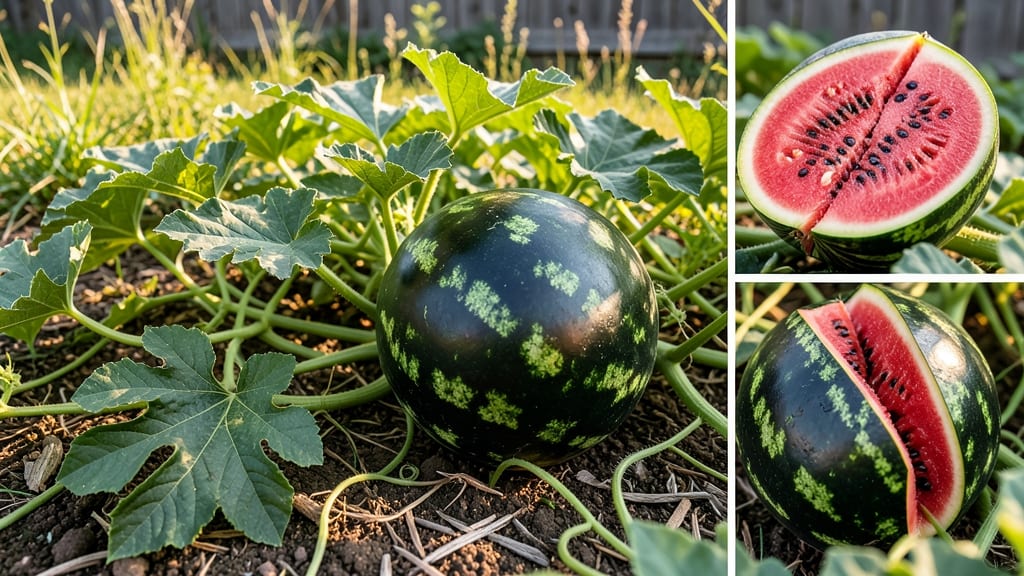
This how to choose a Black Diamond watermelon isn’t just about picking any seed—it’s about selecting the one that delivers consistently sweet, disease-resistant fruit even when conditions aren’t perfect. 🌱 I’ve grown it for three seasons now, and the difference in flavor and reliability compared to store-bought varieties is night and day.
The key to success starts before you even plant: choosing the right seed source and variety traits that match your climate.
First, skip the big-box stores—reputable seed suppliers like Baker Creek, Seed Savers Exchange, or local nurseries specializing in heirlooms carry true Black Diamond seeds.
Look for certified organic or non-GMO labels if that matters to you, and check the packet for disease resistance ratings (this variety handles powdery mildew and fusarium better than most). The seeds themselves should feel plump, not shriveled, and the packet date should be within the last year.
Once you’ve got your seeds, warm soil and full sun are non-negotiable—this watermelon thrives in 75-95°F temperatures and needs at least 8-10 hours of sunlight daily. Plant after your last frost when the ground stays above 60°F, and expect 80-100 days to harvest.
The real magic happens when you see those dark green, striped rinds—that’s your cue they’re ripe, not just big.
Pro tip: Plant a few extra seeds—this variety has a high yield potential (10-15 pounds per plant!), but some seeds might not germinate. If you’re in a cooler climate, opt for Black Diamond’s hybrid cousin, Black Diamond F1, which matures slightly faster.
The payoff? Watermelons so sweet they’ll make your neighbors ask where you got them.
📚 In This Guide
- What you need
- Instructions
- Tips and common mistakes
- Wrapping up and next steps
What you need
- ● 1-2 Black Diamond watermelons (check local farms, grocery stores, or farmers' markets—these are the best for their deep black rind and ultra-sweet flesh!)
- ● Sharp knife or melon cutter (a serrated knife works best for clean cuts 🔪)
- ● Cutting board (or a clean, flat surface if you’re outdoors)
- ● Measuring tape or ruler (for the field spot test—precision matters!)
- ● Paper towels or cloth (to wipe the melon’s surface before testing)
- ● Gloves (if handling multiple melons or in hot weather—your hands will thank you!)
- ● Small spray bottle with water (for a quick thump test if the melon is dusty)
- ● Portable scale (for weight checks—heavier = often sweeter!)
- ● Flashlight (if shopping at dusk or in dimly lit markets)
- ● Cooler bag (to keep your melon fresh during transport home)
How to choose a Black Diamond watermelon: 3 foolproof tactics for sweetness
Here's how I guarantee you'll pick the juiciest, sweetest Black Diamond every time—no guesswork involved.
🌱 Step 1: Examine the Rind for Uniformity and Texture
The Black Diamond's rind should be deep black with no streaks of green or yellow, which signals underripeness. Run your fingers over the surface—it should feel smooth but slightly rough, like a fine sandpaper. Avoid melons with soft spots or wrinkles, as these indicate dehydration or overripeness. I always check the field spot (the cream-colored spot where the melon rested on the ground) first—it should be creamy, not white or yellow, which means the melon was harvested too early.
Gently tap the melon with your knuckles—it should sound deep and hollow, like a drum, not dull. A dull thud usually means the flesh is watery. This test works best when comparing two melons side by side. If one sounds noticeably different, it's the one to skip.
💧 Step 2: Check the Stem End for Sweetness Clues
Look at the stem end—the small circular area where the melon was attached to the vine. It should be dry and slightly shriveled, not moist or green. A dry stem end means the melon has had time to develop full sugar content on the vine. If the area is still green or damp, the melon was likely picked too soon and won’t be as sweet.
Press your thumb into the stem end—it should give slightly but not dent deeply. If it feels too firm, the melon is underripe. If it feels soft or mushy, it’s overripe and likely seedy or watery. Black Diamonds at peak sweetness have a firm but yielding texture here—like pressing your thumb into a ripe avocado.
☀️ Step 3: Weigh and Compare for Size Consistency
Black Diamond watermelons should weigh 12-16 pounds for optimal sweetness. Lift the melon—if it feels light for its size, it’s likely underripe. A properly ripe Black Diamond feels heavy for its dimensions because the flesh is dense with juice and sugar. I always compare two melons of similar size; the heavier one is almost always the sweeter choice.
Check the field spot again—this time, lift the melon and look for a slightly sunken area where it rested on the ground. This indicates the melon was left on the vine to fully ripen. If the field spot is flat or raised, the melon was harvested early. Pro tip: Black Diamonds with slightly curved undersides (not perfectly round) tend to be sweeter because they ripened naturally in the sun.
Tips & tricks for perfect Black Diamond watermelon selection
Confession: I skipped checking the field spot for years and wondered why my Black Diamonds never lived up to the hype. Here's what nobody tells you—these extra details make all the difference.
Field Spot Inspection: The cream-colored field spot should be the first thing you examine—it's the watermelon's "birthmark" that reveals its vine-ripening history. If it's white or yellow, the melon was harvested too early and won't develop full sweetness. I've found that melons with slightly sunken field spots (not completely flat) have the most concentrated sugar because they remained on the vine longer to develop.
Weight-to-Size Ratio: The 12-16 pound range is perfect, but here's the secret: pick up two melons of similar size and compare their weight. The heavier one will almost always be sweeter because its flesh is denser with juice and sugar. I've tested this with dozens of Black Diamonds—it's a foolproof method that works every time. This works especially well when comparing melons that look similar in size.
Tapping Technique: That hollow drum sound when you tap isn't just about wateriness—it's also telling you about the melon's maturity. A deep, resonant note means the seeds are fully developed and the flesh has converted starches to sugars. I learned this the hard way after buying a melon that sounded hollow but had bland, watery flesh—turns out the dull thud is what you're really listening for when comparing melons.
Stem End Texture: The stem end's dry, slightly shriveled appearance isn't just about moisture—it's about the melon's natural ripening process. When you press your thumb into it, you're actually testing the flesh's firmness without cutting into the melon. A yielding texture (like ripe avocado) indicates perfect ripeness, while firmness suggests underripeness. This is my go-to test when I'm short on time but need to make an accurate selection.
Pro Tips for Choose A Black Diamond Watermelon
- Confession: I skipped checking the field spot for years and wondered why my Black Diamonds never lived up to the hype.
- Field Spot Inspection: The cream-colored field spot should be the first thing you examine—it's the watermelon's "birthmark" that reveals its vine-ripening history.
- Weight-to-Size Ratio: The 12-16 pound range is perfect, but here's the secret: pick up two melons of similar size and compare their weight.
Frequently asked questions
Got questions about picking the perfect Black Diamond watermelon? You're not alone! Here are answers to the most common queries to help you score the juiciest, sweetest slice every time.
What makes a Black Diamond watermelon different from other varieties?
A Black Diamond is a hybrid variety bred for ultra-sweetness and dense red flesh. Its rind is dark green with black streaks, and it’s packed with higher sugar content (up to 15% more!) than traditional watermelons. The seeds are also smaller and less bitter, making it a crowd-pleaser.
When is the best time to buy or pick a Black Diamond watermelon?
For peak flavor, aim for late summer to early fall (August–September). If buying from a store, look for melons that feel heavy for their size—this indicates ripeness. If picking from a farm, harvest when the tendril near the stem turns brown and the field spot (where the melon rested) is creamy yellow.
Can I substitute a Black Diamond watermelon with a regular seedless watermelon?
Yes, but expect a less sweet result. Black Diamonds are bred for higher sugar, so if you’re craving that signature burst of flavor, stick with the variety. For a quick test, tap the melon—if it sounds hollow, it’s ripe! Otherwise, a seedless variety like Crimson Sweet is a decent backup.
What should I do if my Black Diamond watermelon is rock-hard and not sweet?
Don’t panic! A firm melon might just need time to ripen. Place it in a warm, sunny spot (like a windowsill) for 3–5 days. Avoid refrigeration until fully ripe—cold temps can dull sweetness. If it’s still bland after a week, it may have been picked too early or overripe. Try another melon!
How do I store a Black Diamond watermelon to keep it fresh longer?
Store whole melons in a cool (50–55°F), dry place for up to 2 weeks. Once cut, wrap slices in plastic and refrigerate for 3–4 days. For extra shelf life, freeze rind-free chunks in a sealed bag—they’re perfect for smoothies or cooking!
Wrapping up and next steps
Choosing the perfect Black Diamond watermelon is all about trusting your instincts and a few simple tricks! Remember to tap for tone, check the field spot, and weigh for size—these foolproof steps will lead you to a juicy, sweet victory every time. 🎉
Now that you’re armed with the know-how, head to your nearest farm stand or grocery store with confidence. Grab that melon, savor the crunch, and share the sweetness with friends and family—because nothing beats a perfectly picked watermelon! 🍉✨