
Flowers
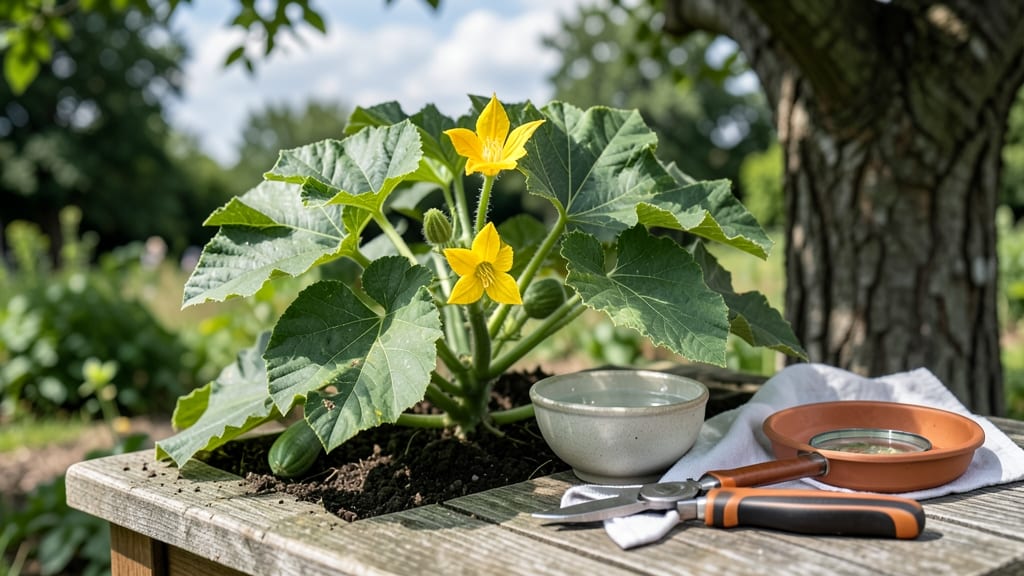
How to clean zucchini flowers—they need a gentle touch, as dirty petals ruin their delicate beauty and culinary potential. 🌿 I’ve learned the hard way that rough handling turns these prized blooms into sad, wilted messes, but the right method keeps them fresh and perfect for frying or pollination support.
The secret is cold water and patience—no soaking, no scrubbing. Grab a bowl of ice water, hold the stem firmly, and swirl the flower just enough to lift dirt from the petals.
Shake off excess water immediately, then pat dry with a paper towel or clean kitchen cloth. This method preserves their structure while removing debris without bruising.
You’ll end up with flowers that look as good as they taste—crisp, fragrant, and ready for the pan or your garden’s bees. The plant won’t mind at all; in fact, clean flowers attract more pollinators, which means better zucchini yields later.
Just avoid hot water or harsh chemicals—they’ll turn those delicate petals into mush.
For extra care, work in the morning when flowers are freshest, and use them within hours of cleaning. Store them in a paper towel-lined container in the fridge if you’re not using them right away. Now go enjoy those stunning blooms—your taste buds (and bees) will thank you!
📚 In This Guide
- What you need
- Instructions
- Tips and common mistakes
- Wrapping up and next steps
What you need
- ● Zucchini flowers: Freshly picked, preferably in the morning when dew is minimal.
- ● Cool, filtered water: 1–2 gallons (enough to submerge flowers gently). Avoid tap water if heavily chlorinated.
- ● Soft-bristle brush: A new toothbrush, makeup brush, or small paintbrush (avoid stiff bristles!).
- ● Fine-mesh strainer or colander: Large enough to hold all flowers without overcrowding (stainless steel or plastic).
- ● Paper towels or clean kitchen towel: 2–3 sheets for gentle patting (avoid fabric towels—lint sticks!).
- ● Sharp kitchen shears or small scissors: For trimming stems (sterilized with rubbing alcohol if reused).
- ○ Optional but helpful: White vinegar (1:4 ratio with water): For a light disinfectant rinse if flowers look dusty or dirty.
- ● Food-safe spray bottle: For misting if flowers dry out during prep.
- ● Glass jar or airtight container: For temporary storage (use a paper towel to line the bottom).
- ● Pick flowers early in the day (before 10 AM) when petals are still firm and dew is minimal.
- ● Work in a shaded, cool area (60–70°F is ideal)—direct sunlight or heat wilts petals fast!
- ○ Wear gloves if you’re sensitive to pollen or sap (optional but handy).
Step-by-Step instructions for cleaning zucchini flowers
Here's how to refresh those delicate blooms without damaging their beauty or pollinators.
💧 Step 1: Gather Your Supplies
You only need two things: a soft-bristled paintbrush (or makeup brush) and a bowl of lukewarm water. I like to use a small, shallow dish so the petals don't get waterlogged. Avoid cold water—it can shock the delicate tissue and cause spots. Keep the water clean; dirty water transfers grime and bacteria to the flowers.
If you're working in the garden, bring a small stool or kneeler to avoid straining your back. Zucchini flowers grow at waist height, and a comfortable position makes the process easier. I always work in the early morning when dew is present—it helps loosen dust naturally.
🌿 Step 2: Handle Flowers with Care
Gently grasp the flower stem near the base with one hand, supporting the bloom with your other fingers to prevent petals from tearing. Zucchini flowers are surprisingly delicate—even a slight tug can damage them. Dip the paintbrush into the water and lightly sweep it across the petals, focusing on the outer edges where dust and pollen accumulate.
Work in small sections, moving from the outer petals inward. You'll see the difference immediately—the once-dull petals will brighten as you remove the grime. Avoid pressing too hard; the goal is to refresh, not scrub. If a flower feels overly stiff or dry, it's better to leave it be—overhandling can stress the plant.
✂️ Step 3: Dry and Return to the Plant
After rinsing, use the paintbrush to gently blot excess moisture from the petals. Damp petals can attract pests or develop fungal issues, especially in humid conditions. Let the flowers air-dry for 10-15 minutes in a shaded spot before returning them to the plant.
Reattach the cleaned flower to its stem by gently tucking it back into place. You'll notice the plant's natural oils and dew will help restore the bloom's freshness. Avoid cleaning flowers in direct sunlight—the heat can cause them to wilt quickly. If you're cleaning multiple flowers, work in batches to keep them from drying out.
🪴 Step 4: Maintain Cleanliness Between Cleanings
To minimize future cleaning, water zucchini plants at the base in the early morning. This prevents water from settling on the petals, which can leave mineral deposits and attract dirt. I also recommend removing any yellowed or damaged leaves nearby—they harbor pests that can transfer to the flowers.
If you notice a buildup of pollen or debris between cleanings, a light misting with water can help dislodge it without full rinsing. This keeps the flowers looking fresh with less effort. Regularly inspect the plant for signs of pests like aphids or spider mites, which can leave sticky residues on the petals.
⏰ Step 5: Time Your Cleanings Strategically
Clean zucchini flowers in the early morning when the petals are fully open but still slightly damp from dew. This is when they're most resilient to handling. Avoid cleaning in the afternoon heat, as the flowers are more prone to wilting and damage. I schedule my flower-cleaning sessions every 3-4 days during peak blooming season to keep them looking their best.
Pay attention to the weather—after heavy rain, flowers may need a quick rinse to remove accumulated dirt and pollen. If you're growing zucchini in a pollinator-friendly garden, be mindful of bees and other insects. Clean flowers in the late morning or afternoon when pollinators are less active, giving them time to visit before you handle the blooms.
Tips & tricks for perfect zucchini flower care
These little details make all the difference when working with delicate zucchini blooms.
Water Temperature Matters: That lukewarm water in Step 1 isn't just a suggestion—it's crucial. Cold water shocks the delicate petals, causing them to develop spots or even wilt. Test the water on your wrist first; it should feel warm but not hot. I've ruined flowers by using tap water straight from the faucet, so always let it sit for a minute to reach room temperature.
The Right Brush Makes a Difference: While any soft brush works, I've found old makeup brushes from drugstores work perfectly—they're designed to be gentle. Avoid stiff brushes or those with metal bristles, which can snag petals. In Step 2, use the brush to lift dust rather than scrubbing; think of it like dusting a porcelain doll rather than scrubbing a cast-iron skillet.
Timing is Everything: The 10-15 minute drying time in Step 3 might seem long, but it's essential for preventing fungal issues. I've learned this the hard way—wet petals left in sunlight can develop brown spots within hours. Place your cleaned flowers on a clean towel in partial shade, and check them every 5 minutes. You'll know they're dry enough when they feel slightly crisp at the edges but still flexible.
Pollinator-Friendly Cleaning: If you're working in a pollinator garden, time your cleanings carefully. Step 5 mentions cleaning in late morning or afternoon, but I've found that bees are most active between 10 AM and 2 PM. For maximum pollinator safety, clean flowers before 9 AM or after 4 PM when bees are less active. This gives them plenty of time to visit before you handle the blooms.
Pro Tips for Clean Zucchini Flowers
- These little details make all the difference when working with delicate zucchini blooms.
- Water Temperature Matters: That lukewarm water in Step 1 isn't just a suggestion—it's crucial.
- The Right Brush Makes a Difference: While any soft brush works, I've found old makeup brushes from drugstores work perfectly—they're designed to be gentle.
Frequently asked questions
Got questions about cleaning zucchini flowers? You’re not alone! Here are some of the most common concerns—and their simple solutions—to ensure your delicate blooms stay pristine and ready for cooking.
Do I need to clean zucchini flowers before using them?
Even if they look clean, zucchini flowers often hide dirt, pollen, or tiny pests in their petals and stamens. A gentle rinse removes debris without damaging their delicate structure, ensuring they’re safe and flavorful for stuffing or frying.
How long should I soak zucchini flowers in water?
Keep it short—just 10 to 15 seconds in cool water is enough to loosen dirt. Over-soaking can make the petals soggy or cause them to lose their crisp texture. Pat them dry immediately with a paper towel or clean kitchen cloth.
Can I use soap or detergent to clean them?
Nope! Soap or dish detergent can leave a residue that alters the flavor or texture of your flowers. Stick to plain water or a light rinse with a soft brush (like a toothbrush) for stubborn dirt. Vinegar or baking soda rinses are also safe alternatives if needed.
What if my zucchini flowers are wilted or damaged?
Skip them! Wilted or bruised flowers may not hold up well when cooked and could affect the taste. Look for firm, vibrant blooms with intact petals. If you’re harvesting from your garden, pick them in the morning when they’re at their freshest.
Can I clean zucchini flowers ahead of time and store them?
Yes, but store them carefully. After cleaning, place them in a paper towel-lined container in the fridge for up to 24 hours. Avoid plastic bags, as moisture can cause them to spoil faster. For best results, clean and use them the same day!
Wrapping up and next steps
Cleaning zucchini flowers is all about gentleness and care—their delicate petals deserve a tender touch! 🌸 By following these simple steps, you’ll preserve their beauty and maximize your chances of pollination (or a delicious harvest).
Now that you’re equipped with the know-how, go ahead and give those blooms the love they need—your garden (or kitchen) will thank you!
Ready to put your new skills to use? Head outside and start cleaning those zucchini flowers today! And if you’re feeling adventurous, why not learn how to cook with zucchini blossoms next? Happy gardening! 🌱