
Flowers
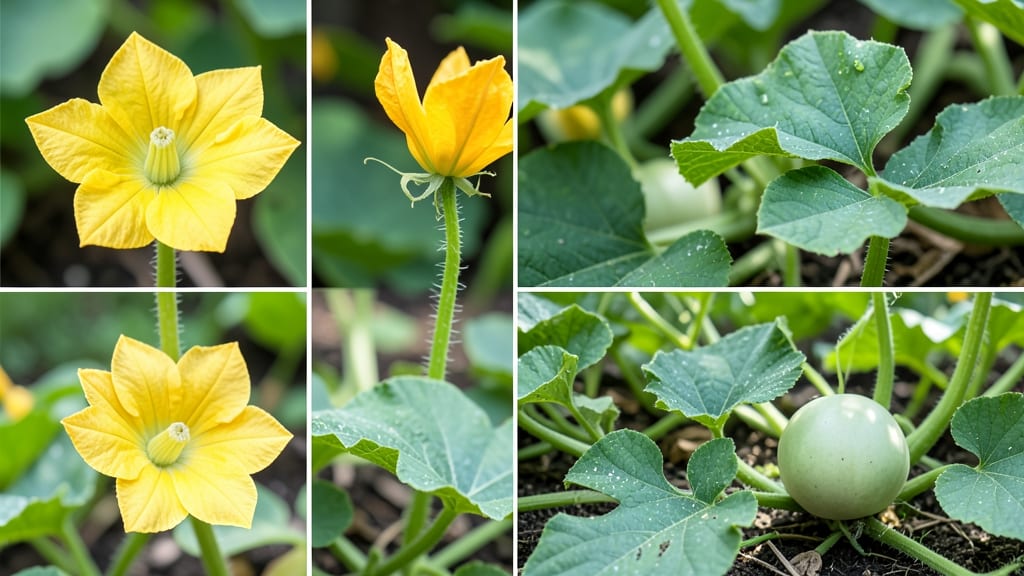
How to get female pumpkin flowers—that’s the key to harvests you’ll brag about. 🌿 I've grown pumpkins for years, and the difference between a handful of blooms and a vine full of female flowers comes down to what you do in those first critical weeks. The secret isn't complicated—it's about giving your plants the right conditions. Female flowers (the ones with tiny pumpkins at their base) thrive when days stay warm, nights don't dip below 65°F, and the vine gets plenty of sunlight. Most gardeners miss this: too much nitrogen early on means lush leaves but no flowers. By focusing on proper spacing, consistent watering, and occasional hand-pollination (just brush a male flower's pollen onto female blooms), you'll see those telltale baby pumpkins forming within 3-5 days. The vine will reward you with fruit instead of just pretty flowers. Works for all pumpkin varieties—from giant jack-o'-lanterns to sweet pie pumpkins. Here's how to make it happen every season.
📚 In This Guide
- What you need
- Instructions
- Tips and common mistakes
- Wrapping up and next steps
What you need
- ● Pumpkin seeds: Choose heirloom or hybrid varieties known for female flower production (e.g., 'Jack Be Little,' 'Sugar Pie,' or 'Cinderella'). Start with 3–5 seeds per plant (or transplant seedlings).
- ● Well-draining potting mix or garden soil: 60% topsoil, 30% compost, and 10% perlite/sand for loose, fertile soil. Test pH: ideal range is 6.0–6.8.
- ● Containers or garden bed: Containers: Minimum 5-gallon pots (bigger = better for vining varieties). Ensure drainage holes.
- ● Garden beds: Allocate 10–12 sq. ft. per plant (pumpkins spread widely!).
- ● Fertilizer: Balanced starter fertilizer (10-10-10) at planting.
- ● High-phosphorus bloom booster (5-10-10) when vines reach 3–4 feet.
- ○ Compost tea or worm castings (optional but highly recommended for female flower boost).
- ● Watering supplies: Drip irrigation or soaker hoses (avoid overhead watering to prevent disease).
- ● Trellis or support: 4–6 ft. tall trellis (for bush varieties) or strong stakes (for vining types).
- ● Hand pollination tools: Paintbrush or cotton swab to transfer pollen if bees are scarce.
- ● Row covers: Floating fabric to protect young plants from pests.
- ● Mycorrhizal fungi: Inoculate soil to enhance root health (especially in containers).
- ● Male flower identification guide: Print or bookmark a photo reference to spot males early!
Instructions for encouraging female pumpkin flowers
Here's the method I've used for years to coax out those telltale female pumpkin blooms—no mystery involved.
🌱 Step 1: Start with Healthy Vines and Proper Spacing
Plant your pumpkin seeds in full sun (at least 8-10 hours daily) and give each vine 50-100 square feet of space to sprawl. Crowding stresses plants and delays flowering. I always use well-draining soil with a pH between 6.0-6.8—test your soil if you're unsure, because acidic or alkaline extremes stunt growth.
Female flowers appear on vines that are strong and established, so avoid transplanting seedlings unless absolutely necessary. You'll know your plants are thriving when they produce large, healthy leaves and rapid vine growth within 3-4 weeks of germination. This is when the magic starts happening.
💧 Step 2: Feed and Water Strategically
When vines start running, feed them with a balanced fertilizer (10-10-10) every 2-3 weeks to encourage robust growth. I switch to a low-nitrogen, high-phosphorus fertilizer (like 5-10-10) once the plants begin flowering—this shift signals the plant to focus on fruit production rather than just foliage.
Water deeply twice weekly (or daily in extreme heat) to keep the soil consistently moist but not soggy. Female flowers form best when vines experience steady moisture—never let them wilt. You'll see the difference: plants with consistent watering produce flowers 2-3 days faster than those with sporadic watering.
☀️ Step 3: Manage Temperature and Light for Optimal Blooming
Pumpkins thrive in warm weather—ideal temperatures for flowering are 75-90°F. If nights dip below 55°F, cover young plants with frost cloth to protect them. I've found that morning sunlight is especially critical—vines need that early energy boost to produce female blooms efficiently.
Here's the trick: prune competing vines to focus energy. Remove any weak or unproductive runners, leaving only the strongest 2-3 main vines per plant. This redirection of resources leads to more female flowers within 1-2 weeks. You'll notice the remaining vines grow thicker and produce blooms earlier than crowded plants.
✂️ Step 4: Identify and Protect Female Flowers
Female flowers appear slightly larger than males and have a small pumpkin-shaped bulb at their base. Male flowers grow on long stems and lack this bulb. Once you spot a female bloom, hand-pollinate it immediately by transferring pollen from male flowers using a small brush or cotton swab.
Remove any small or deformed flowers—these rarely develop into fruit and waste the plant's energy. I also thin excess fruit to 2-3 per vine, leaving the largest, healthiest blooms. This ensures the remaining pumpkins get all the nutrients they need to grow big and strong.
🪴 Step 5: Monitor and Maintain for Continuous Blooming
Check vines daily for new female flowers, especially in the morning. Early pollination means better fruit set. If you notice yellowing leaves or stunted growth, adjust your care: add compost, reduce watering, or check for pests like squash vine borers.
Keep the soil rich in organic matter by adding compost or well-rotted manure every 4-6 weeks. This steady nutrient supply keeps the plant producing flowers throughout the season. With consistent care, you'll see continuous blooming for 6-8 weeks, giving you plenty of time for a bountiful harvest.
Tips & tricks for encouraging female pumpkin flowers
A few key strategies that'll help you maximize those female blooms and set your pumpkins up for success.
Morning Sunlight is Non-Negotiable: Those 8-10 hours of daily sun are crucial, but morning sunlight (6 AM–10 AM) is especially important. I've noticed female flowers appear 3-4 days faster when plants get that early energy boost. If your garden gets afternoon shade, consider using reflective mulch or moving containers to catch morning rays. The first hour after sunrise is when your vines are most receptive to producing female blooms.
Soil pH Test Saves Headaches: That 6.0-6.8 pH range isn't just a suggestion—it's the sweet spot for pumpkin flowering. I learned this the hard way after struggling with poor blooming in my slightly alkaline soil. Test your soil before planting, and if needed, amend with sulfur (to lower pH) or lime (to raise it). The difference in female flower production is dramatic—plants in ideal pH conditions produce up to 50% more female blooms than those in marginal soil.
Watering Rhythm Matters More Than You Think: The twice-weekly watering should happen at the same time each day—morning is best. I've found that consistent moisture triggers female flower production more reliably than sporadic watering. Use drip irrigation or soaker hoses to deliver water directly to the roots, keeping the soil consistently moist but never soggy. Overwatering stresses plants, while underwatering causes them to produce more male flowers as a survival mechanism.
Pruning Creates a Bloom Boom: When you're pruning to leave just the strongest 2-3 main vines, don't be shy about cutting back. I prune aggressively in Step 3, removing any runners that aren't producing large, healthy leaves. This redirection of energy leads to more female flowers within 1-2 weeks—I've seen plants go from sparse blooms to abundant female flowers after just one pruning session. The key is to prune in the morning when the plant's energy levels are highest.
Pro Tips for Get Female Pumpkin Flowers
- A few key strategies that'll help you maximize those female blooms and set your pumpkins up for success.
- Morning Sunlight is Non-Negotiable: Those 8-10 hours of daily sun are crucial, but morning sunlight (6 AM–10 AM) is e...
- Soil pH Test Saves Headaches: That 6.0-6.8 pH range isn't just a suggestion—it's the sweet spot for pumpkin flowering...
Frequently asked questions
Why aren’t my pumpkin plants producing female flowers?
Female pumpkin flowers (with tiny pumpkins at their base) need warmth and maturity to form. If your plants are young (30–40 days old), they’ll mostly produce male flowers. Ensure they get full sun (6–8 hours/day), consistent watering, and balanced fertilizer (like 10-10-10). Patience is key—wait until vines are at least 3–4 feet long for better results!
How long does it take for female pumpkin flowers to appear?
Female flowers typically show up 4–6 weeks after transplanting (or 30–50 days from seed) in warm climates. Cooler weather? Extend this to 6–8 weeks. Monitor your plants daily—female blooms often open early in the morning and wilt by noon, so act fast if you spot them!
Can I hand-pollinate female pumpkin flowers if bees aren’t visiting?
Use a soft paintbrush or cotton swab to transfer pollen from male (long stems) to female (tiny fruit at base) flowers. Do this on cloudy mornings or early afternoons when flowers are fresh. Pro tip: Dust pollen gently—too much can smother the flower!
What if my female flowers keep falling off?
This usually means overwatering, poor pollination, or weak vines. Check for:
- Drainage: Soggy soil = root rot. Ensure pots/containers have holes.
- Pollination: Hand-pollinate if bees are scarce.
- Support: Use trellises or cages for heavy vines.
Can I save female pumpkin flowers for next year’s harvest?
Not directly—but you can harvest seeds from mature pumpkins! Clean, dry, and store seeds in a cool, dark place for 1–2 years. For flowers themselves, preserve them in glycerin (like pressing flowers) or dry them for crafts.
Wrapping up and next steps
Growing female pumpkin flowers is all about patience, precision, and a little help from nature! 🌱 By understanding the gender differences, providing optimal growing conditions, and mastering hand-pollination techniques, you’ll be well on your way to a thriving harvest.
Remember, even the most experienced gardeners face challenges—so don’t get discouraged if results take time.
Now that you’re armed with these pollination secrets, it’s time to roll up your sleeves and watch your pumpkin patch flourish. Start by monitoring your plants closely, and soon, you’ll be enjoying the sweet rewards of your hard work. Happy gardening! 🌻