
Tools
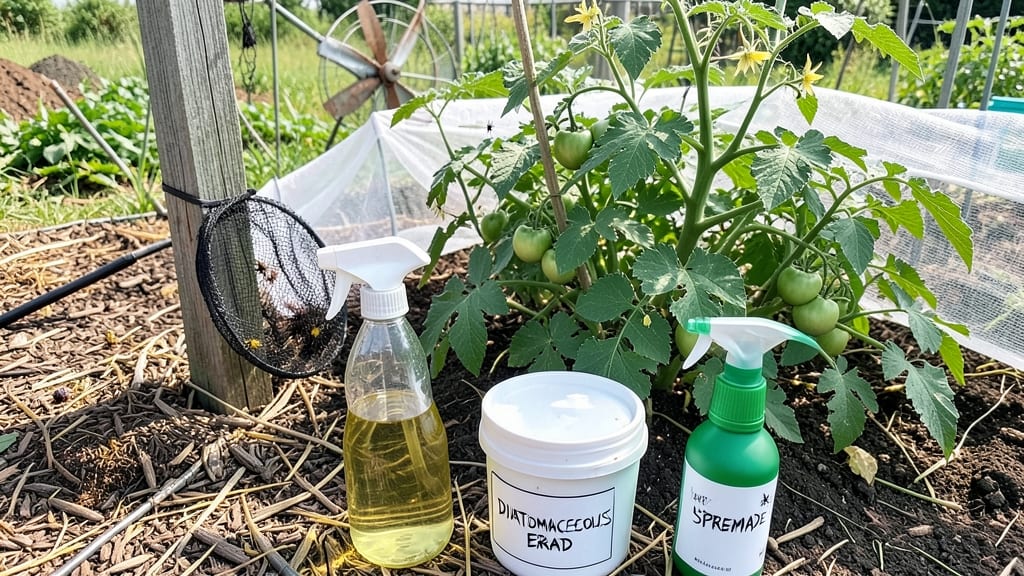
How to control grasshoppers in your garden turned my thriving tomato plants into lace within days. ✨ The key to saving your garden isn't brute force—it's early action with targeted, eco-friendly sprays that actually work without harming bees or your pets.
Most people reach for harsh chemicals first, but that disrupts your garden's balance. Instead, we'll focus on neem oil sprays, kaolin clay barriers, and companion plants that grasshoppers hate—like garlic and marigolds.
These methods stop the hoppers before they become a full-blown invasion, and they're safe for your soil and pollinators.
You'll see results within 3-5 days of consistent treatment: fewer chewed leaves, more flowers, and plants that actually grow instead of fight. The best part? These solutions keep working season after season once you set them up right.
Works in every region, from drought-prone yards to humid climates—just adjust timing based on your local grasshopper season. Let's get those jumpers under control without sacrificing your garden's health.
Grasshopper Invasion Explained
Grasshoppers don’t just appear in your garden out of nowhere—they’re drawn by specific conditions that make your yard look like an all-you-can-eat buffet. Understanding these causes is the first step to stopping them before they turn your plants into a snack bar.
Let’s break down the key reasons these hoppers show up in force, so you can address the root of the problem.
Grasshoppers thrive in gardens that resemble a wild meadow rather than a manicured space. Why? Their favorite foods—grasses, weeds, and young plants—are abundant in unmanaged areas. Here’s the science:
- Host Plant Availability: Grasshoppers prefer broadleaf plants (like clover, dandelions, and young vegetables) and grasses (such as Bermuda or fescue). A garden with dense weeds or tall grass provides ideal breeding and feeding grounds.
- Shelter from Predators: Tall vegetation offers cover from birds, spiders, and other natural enemies. A well-kept lawn with short, trimmed grass (under 3 inches) disrupts their hiding spots.
- Moisture Retention: Weeds and thick mulch hold moisture longer, creating a grasshopper-friendly microclimate. These pests avoid dry, exposed soil.
Actionable Tip: Regularly mow lawns, remove weeds, and thin out overcrowded plantings. Pro Tip: 💡 Target broadleaf weeds first—they’re a grasshopper magnet!
Grasshoppers are cold-blooded, meaning their activity levels skyrocket in warm, dry weather. Here’s how climate plays a role:
- Faster Metabolism: Temperatures above 75°F (24°C) accelerate their growth and reproduction. A single egg pod can hatch into 50–100 nymphs in just a few weeks under ideal conditions.
- Drought Stress in Plants: When plants wilt from dryness, they release volatile organic compounds (VOCs) that attract grasshoppers. Think of it as a distress signal!
- Reduced Predator Activity: Birds and beneficial insects (like ladybugs) become less active in extreme heat, giving grasshoppers a predator-free zone.
Actionable Tip: Monitor weather forecasts and water deeply during dry spells to reduce plant stress. Pro Tip: 🌡️ Early morning or late evening watering cools soil and deters grasshoppers!
Gardens with single-species plantings (like rows of corn or a sea of marigolds) are like a buffet with just one dish—grasshoppers love the simplicity. Why does this happen?
- Limited Food Diversity: Grasshoppers prefer young, tender leaves. In a monoculture, they can devour an entire crop before moving on, unlike diverse gardens where they’re forced to search.
- Reduced Natural Resistance: Plants in mixed gardens often outcompete each other for nutrients, making them less palatable. Monocultures, however, stay soft and succulent—a grasshopper’s dream.
- Easier Navigation: Uniform plantings create straight-line pathways for grasshoppers to hop from plant to plant without detours.
Actionable Tip: Interplant vegetables with herbs, flowers, or other crops to disrupt their feeding patterns. Pro Tip: 🎯 Marigolds and basil are natural repellents—plant them as borders!
Grasshoppers don’t have many natural enemies, but when those predators disappear, populations explode. Common culprits behind predator loss:
- Pesticide Overuse: Broad-spectrum insecticides (like neonicotinoids) kill beneficial insects first—think ladybugs, lacewings, and parasitic wasps—leaving grasshoppers unchecked.
- Habitat Destruction: Removing brush piles, leaf litter, or wildflower patches eliminates shelter for predator species like spiders and ground beetles.
- Urbanization and Lawn Chemicals: Manicured lawns with no dandelions or clover (which predators rely on) create a predator desert.
Actionable Tip: Avoid chemical pesticides and instead encourage biodiversity with native plants and mulch. Pro Tip: ✨ Leave a small "wild" corner in your garden—it’s a predator paradise!
Now that you know why grasshoppers crash your garden parties, the next step is how to kick them out—stay tuned for targeted solutions!
Effective Ways To Eliminate Grasshoppers
Grasshoppers can turn your garden into a buffet if left unchecked—but don’t worry! With the right targeted strategies, you can reclaim your plants and prevent future invasions. Below, we’ll map common causes to practical fixes, from quick fixes to long-term prevention.
If your garden is already swarming with grasshoppers, act fast before they skeletonize your veggies or flowers.
🍳 DIY Grasshopper Traps (Non-Toxic)
- Soapy Water Trap: Mix 1 gallon of water + 2 tbsp dish soap in a shallow container. Grasshoppers drown instantly when they land in it.
Place traps near infested areas. - Beer or Soda Trap: Fill a jar halfway with beer or soda, bury it neck-down in the soil, and cover with a lid.
The scent lures them in—then they can’t escape! 🍺 - Diatomaceous Earth Barrier: Sprinkle food-grade DE around plant bases. It’s a natural desiccant that kills grasshoppers by dehydrating them (reapply after rain).
👨🍳 Manual Removal (Best for Small Infestations)
- Handpick early in the morning when grasshoppers are sluggish.
Drop them into a bucket of soapy water or crush them (if you’re feeling bold). - Use a vacuum cleaner (with a fine mesh bag) to suck them up from lawns and garden beds.
⏰ Timing Matters: When to Act
- Morning or evening (when they’re less active) is the best time to trap or remove them.
- After rain, grasshoppers are slower—ideal for manual removal.
The best defense? Stop them before they arrive with these long-term solutions.
🔪 Eliminate Their Favorite Foods
Grasshoppers love young, tender plants—especially:
- Corn, beans, tomatoes, and lettuce
- Weeds like lamb’s quarters and pigweed
Fix: Remove these plants (or plant them later in the season) and replace with grasshopper-resistant crops like: ✅ Marigolds (deter pests with scent) ✅ Basil (repels insects naturally) ✅ Rosemary & Thyme (strong fragrance keeps them away)
🌡️ Adjust Your Watering Habits
Grasshoppers thrive in dry, dusty conditions but avoid wet soil.
Fix:
- Water deeply but infrequently to encourage deep roots (less appealing to hoppers).
- Avoid overhead watering—it creates damp spots where grasshoppers hide.
🎯 Physical Barriers for Young Plants
If you’re growing delicate seedlings, protect them with:
- Fine mesh row covers (let sunlight and water through but block hoppers).
- Copper tape wrapped around stems (grasshoppers dislike the texture).
💡 Pro Tip: Encourage Natural Predators
Instead of chemicals, invite grasshopper hunters to your garden:
- Birds (install birdhouses or feeders).
- Spiders & predatory beetles (avoid pesticides that kill them).
- Chickens or ducks (if you have space—they love eating grasshoppers!).
If traps, barriers, and predators aren’t enough, selective sprays can help—but use them strategically.
🔥 Best Organic Sprays for Grasshoppers
| Spray Type | How to Use | When to Apply |
|---|---|---|
| Neem Oil Spray | Mix 2 tbsp neem oil + 1 tsp mild soap + 1 quart water. Spray evening (avoid direct sun). | Every 5-7 days until hoppers are gone. |
| Garlic & Chili Pepper Spray | Blend 1 chopped garlic bulb + 1 tbsp cayenne + 1 quart water. Strain and spray. | Reapply after rain. |
| Kaolin Clay (Surround WP) | Mix with water per label. Creates a repellent film on plants. | Apply weekly for prevention. |
⚠️ Chemical Sprays: Use with Caution
If organic methods fail, pyrethrin-based sprays (derived from chrysanthemums) can work—but:
- Spray in the evening to avoid harming bees.
- Reapply after rain.
- Avoid overuse—grasshoppers can develop resistance.
A diverse, healthy garden is the best grasshopper deterrent. Focus on: ✔ Crop rotation (confuses grasshoppers). ✔ Mulching (keeps soil moist, reducing hopper activity). ✔ Planting companion flowers (like nasturtiums or sunflowers) to distract them.
By combining quick fixes with preventive habits, you’ll keep your garden grasshopper-free—without resorting to harsh chemicals! 🚀
Frequently asked questions
What’s the fastest way to stop grasshoppers from destroying my plants?
For immediate relief, use a soapy water trap (mix 1 gallon water + 2 tbsp dish soap) or handpick them in the morning when they’re sluggish. Spray plants with neem oil (2 tbsp + 1 tsp soap + 1 quart water) in the evening for quick results.
Will chickens really eat grasshoppers, or is that just a myth?
Not a myth! Chickens and ducks love grasshoppers—they’re a protein-rich snack. Just let them roam your garden for 1-2 hours daily. Free-range hens can reduce hopper populations by 50-70% in just a few weeks!
Can I use coffee grounds to repel grasshoppers?
Yes, but with caution. Sprinkle used coffee grounds around plant bases—the strong smell repels hoppers. However, they can also attract slugs, so use sparingly and reapply after rain.
Why do grasshoppers seem worse after mowing the lawn?
Mowing exposes their eggs and nymphs hidden in tall grass, plus it stresses plants, making them release attractant chemicals. To prevent this, mow high (3-4 inches) and water deeply afterward to reduce stress signals.
Are there any plants that actually attract grasshoppers away from my veggies?
Plant sunflowers, nasturtiums, or comfrey as "trap crops" near your garden edges. Grasshoppers feast on these instead of your tomatoes or beans. Just remove them (and the hoppers) weekly!