
Companion Plants
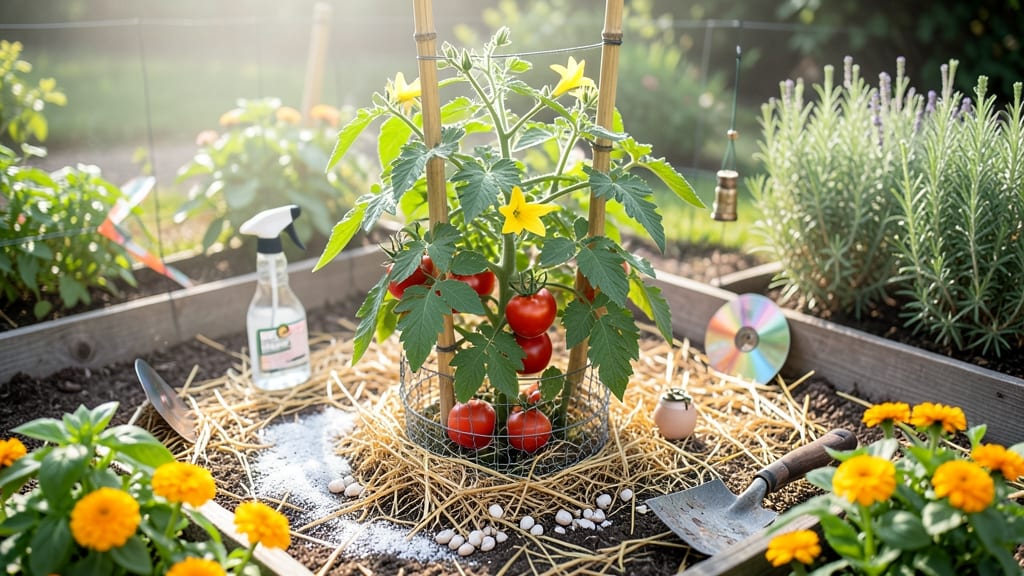
How to keep critters away from tomato plants—it’s the battle every gardener loses until they try the right defenses. 🌿 I’ve lost entire vines to deer, rabbits, and even neighborhood squirrels—until I discovered these physical barriers that actually work without chemicals. The key isn’t just repelling critters; it’s making your plants inaccessible while keeping them thriving.
Most people grab flimsy netting or spray repellents that wash off in the rain. What I’ve found works best are sturdy row covers, hardware cloth cages, and elevated planters—simple setups that block even the most determined snackers.
My tomatoes now grow bushier and riper because they’re not under siege from dawn till dusk.
You’ll see fewer chewed leaves, more blossoms, and a harvest that lasts weeks longer. The best part? These methods don’t harm pollinators or leave behind toxic residue. Deer can’t reach over 5-foot fencing, rabbits can’t dig through buried hardware cloth, and squirrels give up when they can’t climb your trellis.
Works for backyard gardens, raised beds, or even container setups. Whether you’re dealing with deer, rabbits, or birds, these barriers are the foolproof solution I wish I’d known years ago. Let’s get your tomatoes growing safely!
📚 In This Guide
- What you need
- Instructions
- Tips and common mistakes
- Wrapping up and next steps
What you need
- ● Physical Barriers: 1–2 rolls of hardware cloth (1/4" mesh, 3–4 ft tall, enough to wrap around your tomato cages or trellises)
- ● Floating row covers (lightweight fabric, 3–4 ft wide, 6–8 ft long—adjust based on garden size)
- ● Tomato cages or stakes (5–6 ft tall, sturdy enough to support plants + barriers)
- ● Natural Deterrents: 2–3 chicken wire rolls (1" mesh, for DIY collars or small plots)
- ● 1–2 plastic milk jugs (cut in half, for individual plant shields)
- ● Coffee grounds (1–2 cups, used as mulch around plants)
- ● Tools: Scissors or wire cutters (for trimming barriers)
- ● Staple gun + staples (to secure fabric/cloth)
- ● Garden twine or zip ties (for fastening barriers to stakes)
- ● Companion plants (e.g., basil, marigolds, or nasturtiums—plant near tomatoes to repel pests naturally)
- ● Essential oil spray (10–15 drops of peppermint or citrus oil + 1 quart water in a spray bottle)
- ● Reflective tape or old CDs (hang near plants to deter birds with visual distractions)
Step-by-Step instructions for creating physical critter barriers around tomato plants
Here's how I protect my tomatoes from pests without chemicals—methods that actually work in my garden.
🪴 Step 1: Build a Sturdy Cage Framework for Slugs and Snails
Construct a 2-foot tall cylindrical cage around each plant using 1-inch diameter PVC pipes cut into 2-foot lengths and 1/2-inch hardware cloth (not chicken wire—it tears easily). Bend the hardware cloth into a cylinder shape and secure it with staple gun and galvanized staples around the PVC frame. The cage should sit 1 inch above ground level to prevent burrowing pests from entering.
I always use four vertical supports spaced evenly around the plant to ensure stability. The hardware cloth must overlap by 2 inches at the seams to block even the smallest slugs. Bury the bottom edge 1 inch deep in the soil to create a barrier that pests can't crawl under. This works especially well for determinate tomato varieties where the fruit stays close to the plant.
🌱 Step 2: Install Floating Row Covers for Flying Insects
Drape lightweight floating row covers (made from spunbond polypropylene fabric) over the tomato plants, securing the edges with brass pins or rocks to keep them in place. These covers allow sunlight and water to penetrate while blocking hornworms, tomato fruitworms, and whiteflies. For 4 tomato plants, you'll need a 5-foot by 8-foot cover—large enough to drape over all plants with 6 inches of overhang on each side.
I like to use hoops made from 1/2-inch EMT conduit bent into arches to support the fabric, creating a tunnel effect that's easy to walk through. Remove the cover during flowering and fruiting if you're using hand-pollination (like with a small paintbrush) to ensure proper pollination. Reinstall it once fruit sets to protect ripening tomatoes from pests.
✂️ Step 3: Create a Physical Barrier Against Deer and Rabbits
For larger critters, install a 6-foot tall fence made from 4-foot tall wooden posts spaced 8 feet apart and 18-gauge woven wire fencing stretched between them. Bury the bottom of the fence 6 inches deep and bend the top 4 inches outward to deter climbing. For 4 tomato plants, you'll need two 8-foot sections of fencing.
Add reflective tape or old CDs hung from strings along the fence line to create visual disturbances that scare off deer and rabbits. I also plant strongly scented herbs like rosemary and thyme around the perimeter—these act as a natural deterrent while adding beauty. If rabbits are persistent, add chicken wire extensions that flare outward at the base to prevent digging.
💧 Step 4: Use Natural Repellents Around the Base
Create a 2-foot wide barrier around the plants using crushed eggshells, coffee grounds, and diatomaceous earth (food-grade only). Spread a 1-inch layer of this mix around the base of each plant, refreshing it every 2 weeks. The sharp edges of eggshells deter slugs, while the gritty texture of diatomaceous earth damages soft-bodied insects like aphids.
I also plant marigolds and basil around the tomato plants—their strong scents mask the tomato aroma that attracts pests. For extra protection, place small containers of vinegar or citrus peels near the base; the smell repels many garden pests. Avoid over-applying diatomaceous earth, as it can harm beneficial insects like bees if used excessively.
☀️ Step 5: Monitor and Adjust Barriers Weekly
Inspect your barriers every 7 days for gaps, tears, or signs of pest activity. Check the hardware cloth cages for rust or holes, and patch any damage immediately with additional staples or fabric. For floating row covers, ensure they're secured tightly—even a small gap can let pests in.
Adjust barriers as plants grow. If tomato vines reach the top of cages, add extendable supports or temporary mesh extensions. If deer or rabbits show persistent interest, reinforce the fence with additional reflective elements or motion-activated sprinklers. The key is consistent maintenance—pests will exploit any weakness in your defenses.
Tips & tricks for effective critter barriers around tomato plants
These practical strategies will help you create a foolproof defense system that actually works against garden pests.
Material Selection: For the hardware cloth cages in Step 1, opt for 1/4-inch mesh instead of the 1/2-inch if you're dealing with particularly stubborn slugs or cutworms. The smaller mesh creates an extra barrier against these determined pests. I've found that galvanized hardware cloth lasts longer in damp conditions, so if you're in a humid climate, this upgrade is worth the investment.
Floating Cover Flexibility: In Step 2, if you're using hand-pollination, consider temporarily securing the floating row cover with clothespins instead of removing it entirely. This allows you to lift just one section at a time for pollination while keeping most of the plant protected. I've also had success using bamboo hoops instead of EMT conduit—they're lighter and easier to bend into place.
Fence Reinforcement: For the deer and rabbit barriers in Step 3, add plastic tree spikes along the fence line where rabbits might try to dig under. These inexpensive spikes create an instant barrier that's nearly impossible for burrowing animals to navigate. I place them every 12 inches around the perimeter for maximum effectiveness.
Repellent Rotation: In Step 4, don't rely solely on diatomaceous earth—rotate your natural repellents every 2 weeks to prevent pests from becoming resistant. I alternate between crushed eggshells, coffee grounds, and a mix of cayenne pepper and water sprayed around the base. This rotating approach keeps pests guessing while maintaining the effectiveness of your defenses.
Pro Tips for Keep Critters Away From Tomato Plants
- These practical strategies will help you create a foolproof defense system that actually works against garden pests.
- Material Selection: For the hardware cloth cages in Step 1, opt for 1/4-inch mesh instead of the 1/2-inch if you're d...
- Floating Cover Flexibility: In Step 2, if you're using hand-pollination, consider temporarily securing the floating r...
Frequently asked questions
Got questions about keeping critters away from your tomato plants? You're not alone! Here are some of the most common concerns—and practical solutions—to help you protect your harvest without relying on harsh chemicals.
What’s the best time of day to set up physical barriers like cages or row covers?
Install barriers before pests arrive—ideally at planting time or early in the season. For row covers, place them over seedlings as soon as they sprout to block flying insects (like hornworms) and crawling pests (such as slugs). If using cages, set them up when plants are 6–12 inches tall to deter rabbits and deer.
Can I reuse last year’s tomato cages or row covers to protect my plants this year?
Yes! Clean and disinfect cages or covers with a 10% bleach solution (1 part bleach to 9 parts water) to kill lingering pests or diseases. Avoid reusing materials if they’re torn or moldy—replace them to ensure effectiveness. Pro tip: Store covers in a dry place to extend their lifespan.
What if critters keep finding their way through my barriers?
Gaps are the enemy! Check for holes, loose seams, or buried edges (especially with row covers) and repair them immediately. For cages, ensure they’re buried 12 inches deep or weighted down to prevent rabbits from chewing through. Add a second layer of fine mesh (like hardware cloth) if pests are persistent.
Are there any companion plants that can help alongside physical barriers?
Pair tomatoes with basil, marigolds, or onions to repel pests naturally. Basil deters whiteflies, marigolds confuse aphids, and onions ward off rabbits. Plant them around (not too close to) your tomatoes to avoid competition. Bonus: They’ll improve flavor and yield!
Will physical barriers work against squirrels or larger animals like deer?
For squirrels, use tree collars (metal bands around trunks) or wire cages buried deep. Deer require taller fences (at least 8 feet high) or electric tape strung at nose height. Combine barriers with repellents like hot pepper spray (reapply after rain) for extra defense.
Wrapping up and next steps
Keeping critters at bay from your tomato plants doesn’t have to mean resorting to harsh chemicals—simple, effective barriers can make all the difference! 🌱 From DIY cages to strategic companion planting, these methods protect your harvest while keeping your garden thriving. Remember: consistency is key—check your defenses regularly and adapt as needed.
Now that you’re armed with these pest-proof strategies, it’s time to put them into action! Start small—test a few techniques in one section of your garden, observe what works best, and expand from there. Happy gardening, and may your tomatoes stay critter-free and delicious all season long! 🍅✨