
How To
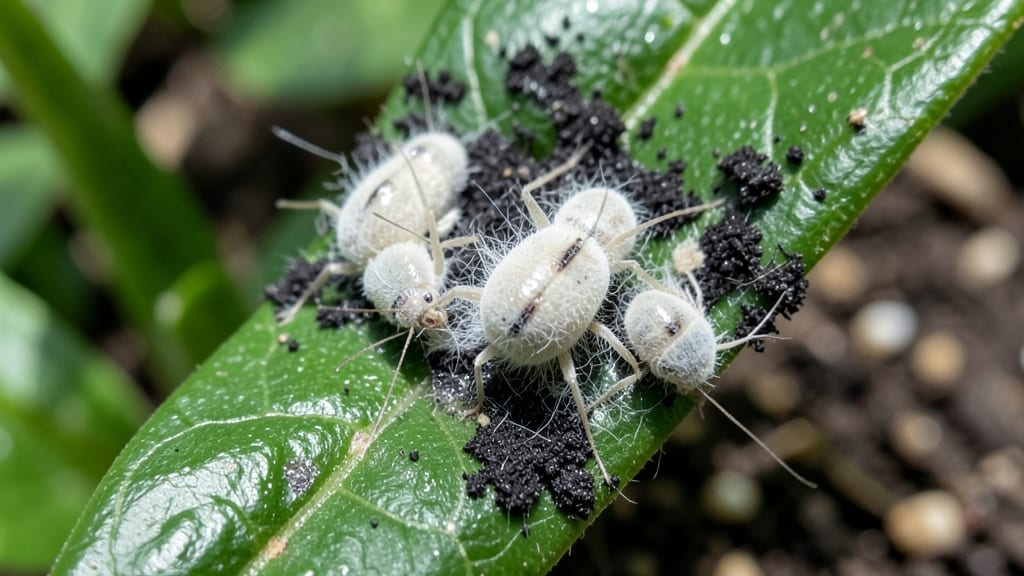
How to control mealybugs on houseplants is all about stopping those fluffy white pests before they turn your lush leaves into sticky, sad messes. 🌿 I’ve battled them for years, and the boil-and-pour barrier method is the game-changer I wish I’d known sooner. It’s not just about killing the bugs; it’s about suffocating their whole operation before they spread.
The trick is simple: a hot, soapy water barrier that smothers mealybugs on contact while protecting your plants. You’ll need a pot of boiling water, a few drops of mild dish soap, and a spray bottle—no fancy tools, just elbow grease.
This method works on ferns, succulents, and even your prized monsteras without the harsh chemicals.
Within 24 hours, you’ll see the white cottony masses shrink and disappear. The real magic? Your plants stay healthy, and the mealybugs get zero chance to return. No more sticky residue, no more wilting leaves—just a fresh start for your green babies.
Works for every houseplant, from your sun-drenched snake plants to the shady corner pothos. Here’s how to set up the barrier and keep those pests out for good.
Root Causes of Mealybug Outbreaks
Mealybugs—those fluffy, cotton-like pests—don’t just appear on your houseplants out of nowhere. Their infestations are the result of specific conditions that create the perfect environment for them to thrive.
Understanding these root causes is the first step to preventing future outbreaks. Let’s break down the science behind why these sap-sucking insects show up uninvited.
Mealybugs are opportunistic pests, and they love plants that are already struggling. When a houseplant’s natural defenses are compromised, it becomes an easy target.
- Stress from Overwatering or Underwatering Mealybugs thrive in plants with inconsistent moisture levels. Overwatering creates soggy soil, weakening roots and making plants more vulnerable to infestations. Conversely, underwatering stresses plants, reducing their ability to produce defensive compounds like phenolics and tannins, which deter pests.
- Nutrient Deficiencies Plants low in nitrogen, phosphorus, or potassium (the "NPK" trio) are more susceptible to mealybug attacks. These nutrients are crucial for strong growth and immune responses. A quick soil test can reveal deficiencies—look for yellowing leaves (nitrogen) or stunted growth (phosphorus/potassium).
- Physical Damage Broken leaves, cuts from pruning, or wounds from other pests (like spider mites) create entry points for mealybugs. Their stylets (tiny mouthparts) pierce plant tissue easily through weakened areas, making it simpler to feed and reproduce.
Mealybugs are tropical creatures at heart, and they crave warm, humid environments—just like many houseplants. When your home’s climate mimics their natural habitat, they multiply rapidly.
- High Humidity (60%+) Mealybugs originate from tropical regions where humidity rarely drops below 60%.
In dry indoor air (below 40%), they struggle, but when your home’s humidity rises—thanks to showers, humidifiers, or groups of plants—mealybugs get cozy. Pro tip: 💡 Use a hygrometer to monitor humidity; aim for 40–60% for most houseplants.
- Warm Temperatures (70–85°F) These pests thrive in heat-loving conditions. If your home stays consistently warm (especially near windows or heating vents), mealybugs will reproduce faster. They can even survive in cooler temps, but their lifecycle slows down—meaning infestations take longer to explode.
- Poor Air Circulation Stagnant air traps moisture and heat, creating a mealybug paradise. Plants in crowded spaces or tucked into corners with little airflow are high-risk zones. Pro tip: 🌬️ Use a small fan on low speed near your plants to improve circulation without stressing them.
Sometimes, the problem isn’t the plant or the environment—it’s us. Unintentional actions can introduce or encourage mealybugs to move in.
- Bringing Infested Plants Indoors The #1 way mealybugs spread is through new plants. Even if a plant looks healthy, mealybugs can hide in leaf axils (the creases where leaves meet stems) or under roots. Always quarantine new plants for 2–4 weeks before introducing them to your collection.
- Overcrowding Plants Dense foliage creates microclimates where humidity and warmth get trapped—perfect for mealybugs. If plants are touching or leaves are brushing against each other, pests can crawl from one to another undetected.
- Using Contaminated Tools or Soil Pruners, pots, and even potting soil can carry mealybugs or their eggs.
If you reuse containers without cleaning them (especially if they’ve held infested plants), you’re essentially giving mealybugs a free ride to your healthy plants. Sanitize tools with rubbing alcohol and use sterilized soil to break the cycle.
Mealybugs don’t just land on plants randomly—they’re drawn by chemical signals that indicate a weak or stressed host.
- Volatile Organic Compounds (VOCs) Stressed plants emit VOCs (like ethylene gas) that act as distress signals. Mealybugs detect these chemicals and are more likely to settle on plants releasing them. Solution: Keep plants healthy to minimize VOC emissions.
- Honeydew Trails If mealybugs are already present, their honeydew (a sticky waste product) attracts ants, which protect mealybugs in exchange for food. This creates a symbiotic relationship that makes eradication harder. Break the cycle by eliminating ants first.
Mealybug populations aren’t static—they ebb and flow with the seasons and their own reproductive cycles.
- Peak Activity in Spring and Summer Warmer months trigger faster reproduction. A single female mealybug can lay hundreds of eggs in her lifetime, and these hatch in as little as 7–10 days in ideal conditions. Monitor plants closely during these seasons.
- Hibernation in Cool Months While they slow down in winter, mealybugs don’t die off completely. They may enter a dormant state but can reactivate when temperatures rise. Don’t let your guard down—even in colder months, check plants regularly.
Mealybugs don’t choose plants randomly—they target weak, stressed, or chemically attractive hosts in favorable environments. By addressing plant health, humidity, airflow, and human habits, you can make your homeplants far less appealing to these pests.
The next step? Acting fast when you spot the first signs (like cottony clusters or sticky residue). Stay tuned for our boil-and-pour smothering method to kick them out for good!
Quick Fixes for Mealybug Menace
Mealybugs may be sneaky, but they’re not invincible! Whether your plants are showing early signs of cottony clusters or you’re already dealing with a full-blown infestation, these targeted solutions will help you reclaim your green sanctuary.
Below, we’ve mapped the most common causes to the best fixes—plus prevention tips to keep mealybugs from crashing your plant party again.
When plants are stressed (from overcrowding, poor light, or root-bound pots), they become mealybug magnets. Strengthen their immunity with these steps:
- 🔥 Prune & Repot Trim heavily infested leaves or stems with sterilized scissors (dip in 70% isopropyl alcohol or boiling water). Repot root-bound plants into fresh, well-draining soil and a slightly larger container to reduce stress.
- 🌡️ Optimize Growing Conditions Mealybugs thrive in dry, warm environments.
Adjust your care routine: - Increase humidity (use a pebble tray or humidifier, especially for tropical plants like ferns or calatheas). - Ensure bright, indirect light (mealybugs love low-light, shady spots). - Water only when the top inch of soil is dry—overwatering weakens plants, making them vulnerable.
- 💪 Feed Them Right Fertilize with a balanced, water-soluble fertilizer (like 10-10-10) once a month during growing seasons. Weak plants attract pests—strong roots = natural pest resistance.
If you’ve spotted mealybugs, act fast before they multiply. Combine manual removal with natural or chemical treatments for maximum impact.
🍳 Step 1: Manual Removal (The OG Hack)
Mealybugs hate physical disruption. Try these hands-on tactics: - 👨🍳 Cotton Swab + Rubbing Alcohol Dip a cotton swab in 70% isopropyl alcohol and dab each mealybug directly.
The alcohol dissolves their waxy coating, killing them instantly. Repeat every 2–3 days until no signs remain.
- 🥘 Soapy Water Bath Mix 1 tsp mild liquid soap (like Castile soap) with 1 quart of water. Spray or wipe infested areas gently (avoid over-soaking soil). Rinse with clean water after 10 minutes. Best for small infestations on leaves/stems.
- 🔪 Toothpick Trick (For Tight Spots) Use a toothpick dipped in alcohol to scrape off clusters hiding in leaf axils, crevices, or under leaves. Discard the toothpick afterward—no reuse!
🌿 Step 2: Natural Sprays (Safe & Effective)
For larger infestations, homemade sprays can work wonders without harsh chemicals.
| Solution | How to Use | Frequency |
|---|---|---|
| Neem Oil Spray | Mix 1 tsp neem oil + 1 tsp mild soap + 1 quart water. Shake well and spray all plant surfaces (avoid direct sunlight after application). | Every 5–7 days for 2–3 weeks |
| Hydrogen Peroxide (3%) | Dilute 1 part 3% H₂O₂ + 4 parts water. Spray infested areas—oxygen bubbles smother them. Rinse after 1 hour. | Weekly until gone |
| Garlic Spray | Blend 4 garlic cloves + 1 quart water, strain, and add 1 tsp soap. Spray plants (garlic repels pests!). | Every 3–4 days |
✨ Pro Tip: Always test sprays on a small leaf first to avoid burning sensitive plants.
💣 Chemical Treatments (Last Resort)
If natural methods fail, insecticidal soap or pyrethrin-based sprays (like Safer® Brand Insect Killing Soap) can help. Follow label instructions carefully—overuse can harm plants.
An ounce of prevention is worth a pound of cure! Break their entry routes with these habits:
- 🌡️ Quarantine New Plants Always isolate new houseplants for 2–4 weeks before introducing them to your collection. Inspect undersides of leaves, stems, and soil for hidden pests.
- 🧼 Clean Your Tools Sterilize scissors, pots, and trays with rubbing alcohol or bleach water (1:10 ratio) before and after use. Mealybugs hitchhike on dirty tools!
- 🌿 Inspect Regularly Check every leaf, stem, and soil surface weekly. Early detection = easier eradication. Use a magnifying glass for stubborn spots.
- 🐝 Encourage Beneficial Bugs Ladybugs, lacewings, and parasitic wasps (like Aphytis melinus) devour mealybugs. Introduce them via online suppliers or attract them with diverse, healthy plants.
- 🚫 Avoid Over-Fertilizing Too much nitrogen = soft, sugary leaves = mealybug buffet. Stick to balanced fertilizer and follow package instructions.
Final Thought: Mealybugs may be persistent, but with consistent action, you’ll send them packing. Combine manual removal, natural sprays, and prevention for long-term success—and enjoy your pest-free plants! 🌱✨
Frequently asked questions
What do mealybugs look like, and where do they hide?
Mealybugs are tiny, oval-shaped insects covered in a white, waxy coating that looks like cotton. They’re usually 1/16 to 1/8 inch long and hide in protected spots like leaf axils, under leaves, along stems, or in soil crevices. Check these areas first—early detection makes removal easier!
How long does it take to eliminate mealybugs with the boil-and-pour method?
The boil-and-pour barrier works fast! Within 24 hours, you’ll see mealybugs shrink and die from suffocation. For complete eradication, repeat the treatment every 3–5 days for 2 weeks to catch any lingering eggs or new hatchlings.
Can I use this method on all houseplants, including succulents and ferns?
Yes! The boil-and-pour barrier is safe for most houseplants, including succulents, ferns, and tropical varieties. Just avoid oversaturating soil—succulents and cacti need minimal moisture. For delicate plants, test a small area first to ensure compatibility.
Will mealybugs come back after treatment?
If you’ve treated thoroughly and addressed the root causes (like stress or poor airflow), mealybugs are unlikely to return. However, if new plants are added or conditions become favorable again, they may reappear. Regular inspections and preventive measures keep them away long-term.
What if my plant looks healthy but still has mealybugs?
Even healthy-looking plants can host mealybugs—these pests often hide in hard-to-see spots like leaf joints or along stems. Use a magnifying glass to inspect thoroughly. Treat immediately, as mealybugs can weaken plants over time by sucking sap and leaving sticky honeydew residue.