
Companion Plants
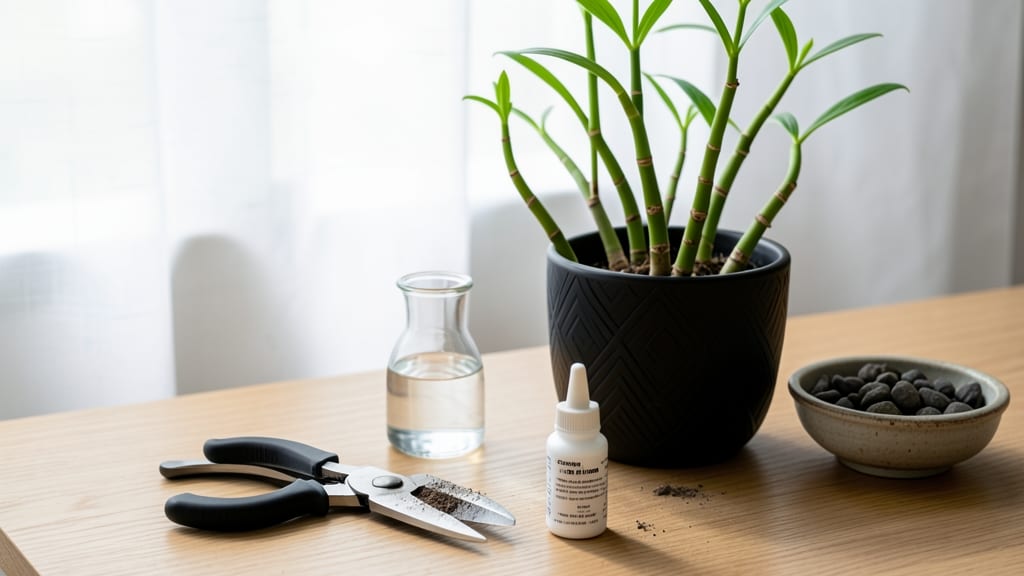
Cutting bamboo plants isn’t just pruning—it’s the difference between a wild thicket and a healthy, manageable screen. ✂️ I’ve turned tangled clumps into neat, productive borders by mastering the right cuts, timing, and techniques. The key? Knowing whether your bamboo runs or clumps—and when to wield those shears.
Running bamboo spreads aggressively, while clumping types stay put. For either, late winter or early spring is prime time—before new growth starts. You’ll need sharp pruners, gloves (those edges are razor-sharp), and a clear plan: cut at the base for removal or just above a node for shaping.
One wrong snip can stress the plant or invite disease. After cutting, you’ll notice fresh green shoots within weeks—proof the plant’s bouncing back. The secret’s in the angle: cut at 45 degrees for larger stems to prevent water pooling. For thick stalks, make two cuts to avoid splintering.
Just avoid over-pruning; bamboo’s tough but not invincible. This method works for both ornamental and functional bamboo—whether you’re shaping a privacy screen or harvesting shoots. The payoff? A neater, stronger plant that grows exactly where you want it. Let’s get to those cuts!
📚 In This Guide
- What you need
- Instructions
- Tips and common mistakes
- Wrapping up and next steps
What you need
- ● Pruning shears or loppers: Choose bypass pruners (sharp, clean cuts) for thin stems (under ½ inch) or loppers (for thicker stalks up to 2 inches). Sterilize blades with rubbing alcohol before and after use to prevent disease.
- ● Handsaws or pruning saw: For bamboo thicker than 2 inches—opt for a curved-tooth saw to avoid splintering. A folding handsaw is great for hard-to-reach spots.
- ● Gloves: Wear cut-resistant gloves (like leather or heavy-duty gardening gloves) to protect against sharp edges and sap.
- ○ Disposable pruning sealant (optional but helpful): A tree wound dressing (like Tanglefoot or pruning paste) to seal large cuts and prevent rot.
- ● Marking twine or spray paint: For labeling sections if you’re dividing or transplanting later.
- ● Wheelbarrow or tarp: To haul away clippings or debris—bamboo can get heavy and bulky!
- ● Timing: Cut bamboo in late winter or early spring (before new growth starts) or after flowering (if applicable). Avoid cutting during frost or extreme heat.
- ● Weather check: Choose a dry, overcast day to minimize sap bleeding and reduce stress on the plant.
- ● Safety first: Wear safety glasses if cutting near your face or eyes, and check for pests or diseases on the stalks before cutting.
- ● Water nearby: Have a hose or bucket of water to rinse tools and clean sap off your hands.
- ● Sharpener: A file or sharpening stone to keep blades in top condition mid-project.
- ● Knee pads: For comfort if you’re kneeling frequently near large clumps.
- ● Compost bin: To recycle clippings—bamboo decomposes quickly and adds great nutrients to soil.
- ● Camera or sketchbook: To document the plant’s structure before cutting (helpful for reference later!).
Step-by-Step guide to pruning bamboo for strong regrowth
Here's how I keep bamboo lush and healthy—just follow these simple cuts and timing tips.
✂️ Step 1: Identify and Mark the Right Cuts
Start by examining your bamboo clump. Look for pale, hollow canes—these are dead or dying and need removal. Healthy canes have green nodes and firm walls when tapped. I mark these with a piece of twine tied loosely around the cane so I don’t accidentally cut the wrong ones.
Never cut more than one-third of the clump at once. This prevents stress that could invite pests or disease. Focus on the oldest canes first—they’re the thickest and easiest to spot. You’ll know you’re on the right track when you see fresh green shoots emerging from the center after cutting.
✂️ Step 2: Time Your Cuts for Best Results
The best time to prune bamboo is late winter or early spring, just as new shoots begin to push through the ground. This gives the plant 6-8 weeks of growing season to recover before winter dormancy. Avoid cutting in fall—new growth won’t have time to harden off before cold weather sets in.
If you must prune in summer, do it on a cool, overcast day to reduce stress. I’ve found that cutting in late afternoon minimizes sun exposure for the fresh cuts, which helps prevent wilting. Always use sharp, clean pruners—dull blades crush stems and invite infections.
✂️ Step 3: Make Clean Cuts at the Base
Cut each marked cane at ground level, just above the soil line. Use a sharp pruning saw for thick canes (over 1 inch in diameter) and clean pruners for thinner ones. Angle the cut slightly downward to prevent water from pooling on the stub, which could rot the base.
Remove all leaf litter and debris from the cut area. I like to scatter a thin layer of mulch (like shredded bark) around the base to protect new shoots. Watch for new green shoots emerging within 2-3 weeks—this is your sign the plant is recovering well.
🌱 Step 4: Monitor for New Growth and Adjust
After pruning, water deeply to help the plant recover. Keep the soil evenly moist but not soggy for the first 4-6 weeks. You’ll see new shoots pushing up from the rhizomes—these are your bamboo’s way of replacing what you cut. If growth slows after a few weeks, add a balanced fertilizer (10-10-10) to encourage recovery.
If you notice yellowing leaves or wilting, it’s a sign of over-pruning or stress. In this case, reduce watering slightly and avoid fertilizing until new growth appears. Healthy bamboo should have bright green leaves and firm, upright canes within 8-10 weeks of pruning.
Tips & tricks for pruning bamboo like a pro
Keeping your bamboo thriving after pruning takes a few key tricks—here's what I've learned from years of trial and error.
Tool Selection: Don't underestimate the importance of sharp tools in Step 3. I've ruined perfectly good bamboo by using dull pruners that crush the stems instead of cutting cleanly. Invest in a good pair of bypass pruners for thinner canes and a pruning saw for anything over 1 inch in diameter. For thick clumps, I've even used a handsaw in a pinch—just make sure it's clean and sharp. The cleaner the cut, the faster your bamboo recovers.
Seasonal Timing: While late winter or early spring is ideal for pruning, I've found that summer pruning works surprisingly well if you follow the late afternoon timing from Step 2. The key is avoiding midday heat—think of it as giving your bamboo a gentle haircut rather than a harsh trim. If you must prune in summer, do it on a cloudy day or when temperatures drop below 85°F to prevent stress.
Recovery Monitoring: In Step 4, those first 4-6 weeks are critical for watching your bamboo's recovery. I've learned to track new shoots by gently brushing back the mulch every 7-10 days. Look for bright green leaves emerging from the base—this is your plant's way of telling you it's happy. If you see yellowing instead, it's a sign to back off on watering and let the plant focus on recovery rather than growth.
Optional Fertilizer Boost: While not required, I've found that adding a balanced 10-10-10 fertilizer 4-6 weeks after pruning gives bamboo a nice growth boost. Just be careful not to overdo it—too much fertilizer can stress the plant when it's still recovering. I like to mix a tablespoon of 10-10-10 into the soil around the base and water it in thoroughly. This timing aligns perfectly with the recovery window mentioned in Step 4.
Pro Tips for Cut Bamboo Plants
- Keeping your bamboo thriving after pruning takes a few key tricks—here's what I've learned from years of trial and error.
- Tool Selection: Don't underestimate the importance of sharp tools in Step 3.
- Seasonal Timing: While late winter or early spring is ideal for pruning, I've found that summer pruning works surprisingly well if you follow the late afternoon timing from Step 2.
Frequently asked questions
Got questions about trimming bamboo? You’re not alone! Here are some of the most common concerns—and their solutions—to help you cut with confidence.
When is the best time of year to cut bamboo?
The ideal time is late winter or early spring, just before new shoots emerge. This timing minimizes stress on the plant and encourages healthy regrowth. Avoid cutting during extreme heat or drought, as the plant needs energy to recover.
Can I cut bamboo in the fall or winter?
Yes, but with caution! Light pruning (removing dead or damaged canes) is fine in fall, but avoid heavy cuts. Winter trimming should only be done in mild climates—cold snaps can stress the plant. If you must prune in winter, do so on a warm day and avoid cutting more than 20% of the foliage.
How do I know if I’m cutting too much?
If you remove more than one-third of the plant’s canes at once, you risk stunting growth or even killing it. Look for signs of over-pruning: yellowing leaves, fewer new shoots, or a weak, leggy appearance. When in doubt, trim conservatively and monitor the plant’s recovery over a few weeks.
Will cutting bamboo help it grow thicker?
Yes! Pruning encourages bushier, denser growth by redirecting energy to new shoots. Focus on removing older, thinner canes to make room for younger, stronger ones. Just avoid cutting the very center of the clump, as this can leave gaps and weaken the plant.
What if my bamboo keeps regrowing after cutting?
Some bamboo varieties (especially running types) are persistent! If regrowth is unwanted, dig up the rhizomes (underground stems) to prevent spreading. For clumping bamboo, simply trim back any new shoots at the base. If the problem persists, consider containment barriers or regular maintenance pruning.
Does cutting bamboo affect its cold hardiness?
Pruning too late in the season (fall/winter) can reduce cold hardiness, as the plant needs time to harden off before winter. If you live in a cold climate, finish pruning by early September to allow the plant to recover before frost. Always water well after trimming to support healing.
Wrapping up and next steps
Cutting back your bamboo plants doesn’t have to be intimidating—with the right tools, timing, and technique, you’ll encourage lush regrowth and keep your garden thriving! 🌿 Whether you’re pruning for aesthetics, health, or containment, remember that patience and precision pay off.
Now that you’re armed with these steps, go ahead and give your bamboo the care it deserves.
Ready to see the results? Monitor your plant’s progress over the next few weeks, and don’t hesitate to adjust your approach based on its needs. Happy gardening!