
Planting
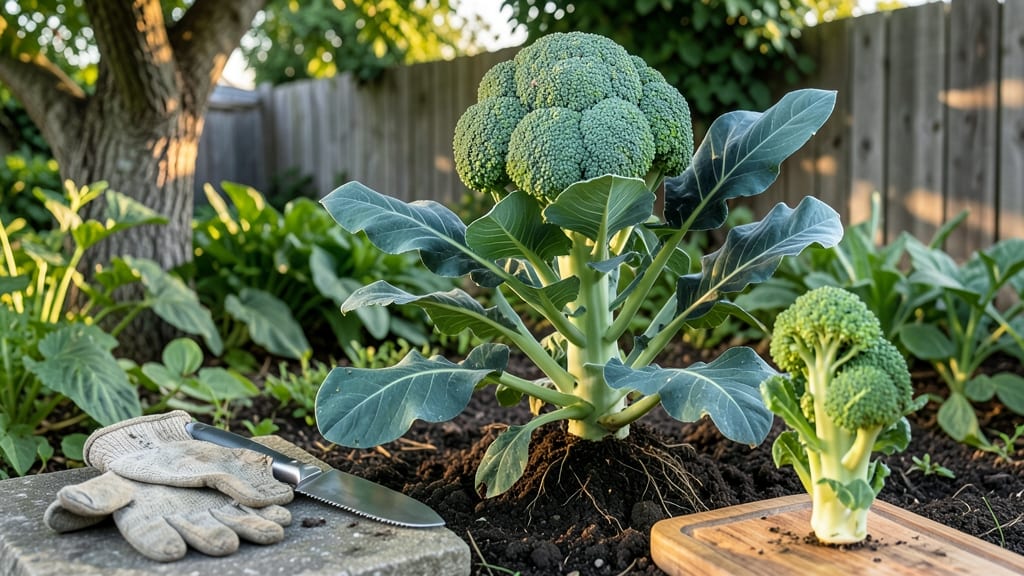
Harvesting broccoli at the perfect moment means crisp, flavorful crowns and a plant eager to produce more. ✨ How to cut broccoli off the plant at the right time keeps your garden thriving and your kitchen stocked—here’s exactly how to do it without damaging future growth.
You’ll need sharp pruners or a clean knife, a bowl for the harvest, and a sunny day when heads are tight but still green. Cut about 1 inch below the head at a slight angle, leaving the stem intact. This small detail makes all the difference for regrowth.
The moment you harvest, check the side shoots—those hidden buds will soon grow into your next harvest. With proper care, a single plant can give you 3-5 harvests over the season, each one better than the last.
Timing is everything: wait too long and the crown turns bitter, harvest too early and you lose potential yield. Follow these steps and you’ll turn your garden into a broccoli powerhouse.
📚 In This Guide
- What you need
- Instructions
- Tips and common mistakes
- Wrapping up and next steps
What you need
- ● Sharp pruning shears or a clean, sharp knife – A bypass pruner (4-6 inch blades) or a chef’s knife works best to avoid crushing the stem.
- ○ Gloves (optional but recommended) – Garden gloves protect your hands from thorns, dirt, and potential skin irritation.
- ● Harvesting basket or container – A mesh bag or sturdy plastic container keeps broccoli fresh and prevents bruising.
- ● Water spray bottle (small, 8-16 oz) – Helps rinse off dirt or pests after cutting.
- ● Sunny day (or shade cloth) – Harvest in the morning when temps are cool (below 80°F) to preserve quality.
- ● Disinfectant spray (70% isopropyl alcohol) – Wipe tools between cuts to prevent disease spread.
- ● Labeling tags or marker – If tracking varieties or harvest dates.
- ● Small hand trowel – For loosening soil if the plant is in a pot or tight space.
- ● Apron with pockets – Keeps tools handy while you work!
Step-by-step guide to harvesting broccoli for bountiful regrowth
Here’s how I harvest broccoli without sacrificing future yields—keeping plants productive for weeks.
✂️ Step 1: Identify the Perfect Harvest Time
Wait until the main head reaches 6-8 inches in diameter and florets are tightly packed but still dark green and firm. Press a floret gently—it should snap cleanly, not squish like overripe fruit. Harvesting too early means smaller yields, while waiting too long lets florets turn yellow and bitter.
Check the underside of the head for tiny side shoots (future harvests). If they’re already ½-inch long, your plant is ready. Mornings are ideal—cool temps preserve freshness and make cutting easier. I avoid harvesting after rain; wet florets bruise more easily.
✂️ Step 2: Use the Right Cutting Technique
Hold the plant firmly with one hand and use a sharp knife or pruners to cut the stem 5-7 inches below the head. This leaves enough stem for the plant to regenerate side shoots. Angle the cut slightly downward to prevent water from pooling on the stem, which can cause rot.
Don’t twist or pull the head—this damages the stem and weakens the plant. I like to make a clean cut at a 45-degree angle about ¼-inch above a leaf node (the bump where leaves grow). This encourages stronger regrowth from that node.
🌱 Step 3: Encourage Side Shoot Production
After cutting the main head, water the plant deeply to reduce stress. Within 7-10 days, you’ll see small side shoots forming where the main head was. These are your next harvests—each plant can produce 3-5 smaller heads this way.
Remove any yellowing or damaged leaves around the cut area to improve airflow. I also fertilize lightly with a balanced 10-10-10 formula after the first side shoots appear. Too much nitrogen now will make leaves grow faster than florets, reducing yield.
⏰ Step 4: Time Subsequent Harvests for Maximum Yield
Harvest side shoots when they reach 3-4 inches wide, before they flower. These smaller heads mature faster than the main head—usually in 3-5 weeks. Cut them using the same 5-7 inch stem rule to keep the plant producing.
Stop harvesting when side shoots turn yellow or flower stalks appear. At this point, the plant’s energy shifts to seed production. I mark my calendar 8-10 weeks after the main harvest as the last possible cut for side shoots—after that, it’s time to let the plant rest or compost it for next season.
💧 Step 5: Post-Harvest Care for Future Crops
After the final harvest, trim the plant back by half its height to remove old growth. This encourages any remaining energy to go into roots or next year’s growth. Water moderately for the next 2 weeks—don’t overdo it, but keep the soil evenly moist.
Add a 2-inch layer of compost around the base to replenish nutrients. I’ve found that broccoli plants left in the ground with proper care often produce smaller fall harvests or even survive mild winters to bolt again in spring. Just don’t expect the same size heads!
Tips & tricks for perfect broccoli harvesting
A few key techniques will help you maximize your broccoli plant's potential and avoid common harvesting mistakes that waste your hard work.
Timing is Everything: The 6-8 inch diameter rule for the main head is non-negotiable—this is when the flavor and texture are at their peak. I learned this the hard way after harvesting too early and getting tiny, underdeveloped heads. Wait until those side shoots are at least ½-inch long under the main head, as this signals the plant is ready to regenerate. Morning harvests are ideal because the cooler temperatures preserve the broccoli's crispness and make cutting easier.
The Cutting Angle Matters: That 5-7 inch stem cut isn't just a random measurement—it's what allows your plant to produce those valuable side shoots. The 45-degree angle prevents water from pooling on the stem, which could lead to rot. I always aim to cut about ¼-inch above a leaf node, as this is where new growth will emerge most vigorously. Using a sharp knife is crucial here; dull blades crush the stem and invite disease.
Post-Harvest Care Makes All the Difference: After your first harvest, that deep watering within 24 hours is critical for stress reduction. I've found that adding a thin layer of mulch around the base helps retain moisture and keeps the soil temperature stable. The 10-10-10 fertilizer recommendation is perfect—too much nitrogen now will make leaves grow at the expense of florets. When you see those side shoots appearing in 7-10 days, you'll know you're on the right track for multiple harvests.
Pro Tips for Cut Broccoli Off The Plant
- A few key techniques will help you maximize your broccoli plant's potential and avoid common harvesting mistakes that waste your hard work.
- Timing is Everything: The 6-8 inch diameter rule for the main head is non-negotiable—this is when the flavor and texture are at their peak.
- The Cutting Angle Matters: That 5-7 inch stem cut isn't just a random measurement—it's what allows your plant to produce those valuable side shoots.
Frequently asked questions
Got questions about harvesting broccoli like a pro? Here are answers to the most common ones—so you can snip, save, and savor without stress!
When is the best time to cut broccoli from the plant?
The ideal time to harvest broccoli is when the main head is firm, tight, and 4–8 inches wide, with green buds still closed. If you wait too long, the florets will start to open () and turn bitter. For side shoots, harvest when they’re 1–3 inches wide—they’ll keep producing for weeks!
Do I cut broccoli stems or pull the whole plant?
Always cut the main head about 5–7 inches below the base using sharp shears or a knife. Pulling can damage the plant, but cutting encourages side shoots to grow. For side shoots, snip just above a leaf node (where leaves meet the stem) to promote regrowth.
Can I harvest broccoli in rain or heat?
Harvest on a dry, cool morning () for the freshest results. Rain can make stems soggy, while extreme heat (above 80°F) causes bolting (premature flowering). If you must harvest in heat, do it early or late in the day and store broccoli in the fridge ASAP.
What if my broccoli head splits or yellows before harvest?
Splitting or yellowing usually means overmaturity or nutrient stress. To prevent it:
- Harvest promptly when heads are tight.
- Water deeply 1–2 times weekly (avoid shallow, frequent watering).
- Add compost or balanced fertilizer (like 10-10-10) at planting.
- Thin plants to 12–18 inches apart for better airflow.
Can I regrow broccoli after cutting the main head?
Yes! Many varieties (like Calabrese or De Cicco) will produce 3–5 side shoots over 4–6 weeks. After cutting the main head, keep the plant well-watered, fertilized, and in partial shade. Side shoots grow from the leaf axils—just snip them when they’re 1–3 inches wide.
How do I store freshly cut broccoli?
Store broccoli in the crisper drawer of your fridge () for 5–7 days. Wrap stems loosely in a damp paper towel to retain moisture. For longer storage, blanch and freeze: boil for 3 minutes, cool in ice water, drain, and freeze in airtight bags for up to 12 months.
Wrapping up and next steps
Harvesting broccoli at the right time and with the right technique ensures a bountiful, flavorful crop—and you’ve got all the tools to do it! Whether you’re a seasoned gardener or just starting out, mastering the art of cutting broccoli off the plant will reward you with delicious, nutrient-packed harvests for weeks to come.
Now that you know the best methods, grab those shears and get ready to enjoy your homegrown goodness! 🌱
👉 Next step: Try harvesting a few florets this week and experiment with different recipes—roasted, steamed, or in a stir-fry. Happy gardening! 🥦✨