
How To
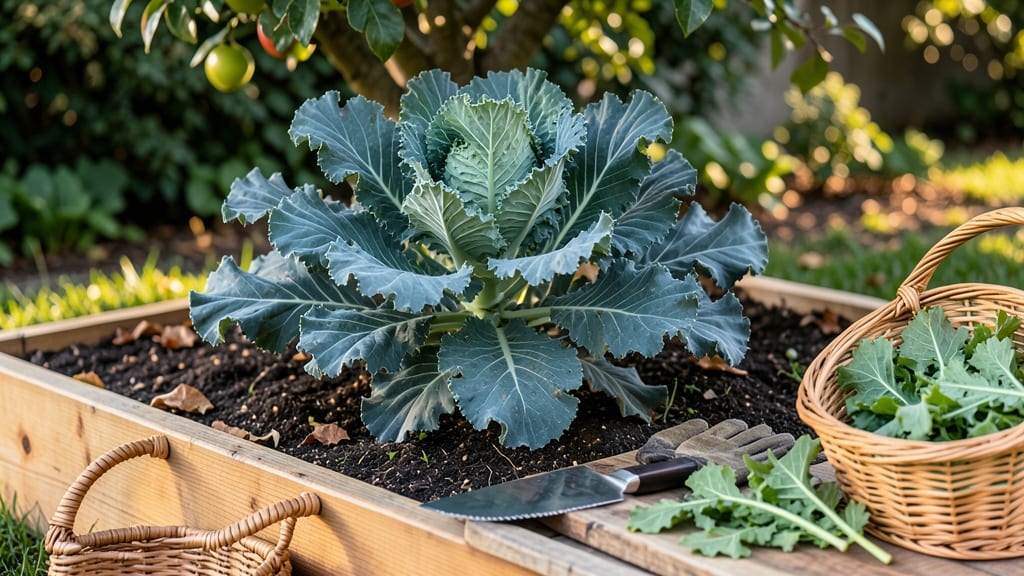
Harvesting dinosaur kale at the right time is the secret to unlocking its boldest flavor and keeping your garden producing like a champ. This stunning 🥬 variety isn't just pretty—it's packed with nutrients, but only when you time it perfectly.
Skip this step, and you'll end up with tough, bitter leaves that waste your hard work in the garden.
I've learned the hard way that patience pays off when harvesting dinosaur kale. The key is watching for those deep blue-green leaves with curled edges—these are your telltale signs that the plant is ready to give you its best.
When you see leaves reaching 6-12 inches long and feeling crisp but not woody, that's your cue to act.
What makes this plant so special is its ability to regrow after harvest, giving you multiple cuts per season. But there's a right way and a wrong way to do it—cut too much or at the wrong time, and you'll stunt your plant's growth.
I'll show you exactly how to harvest without damaging the plant, so you can keep enjoying fresh, homegrown dinosaur kale all season long.
From the tools you'll need to the best storage tips, I've got you covered. Whether you're a seasoned gardener or just starting out, these techniques will help you maximize your yield and keep your dinosaur kale tasting its absolute best. Let's dive in and make the most of your harvest!
When to harvest dinosaur kale for best flavor and yield
Harvesting dinosaur kale at the right time ensures tender, flavorful leaves packed with nutrients. Unlike other greens, this variety thrives when given room to grow—waiting for mature leaves (6-12 inches long) maximizes both yield and taste.
The key is balancing harvest timing with plant health; cutting too early means small, delicate leaves, while waiting too long results in tough, fibrous textures.
For spring harvests, aim to pick leaves 60-75 days after planting, when they’ve developed their signature deep blue-green hue and curled edges. In fall plantings, harvest between October and November, before the first frost hits.
Cold weather can turn leaves bitter, so time your harvest to beat the chill—4-6 weeks before frost is ideal for a final flush of growth.
Look for these harvest readiness signs to know when your dinosaur kale is perfect for picking:
- Leaves are 6-12 inches long with crisp, sturdy stems
- Color shifts from pale green to deep blue-green
- Edges curl into ruffled, frilly patterns
- Leaves feel firm but not woody when touched
One of my favorite tricks is to harvest outer leaves first. This method encourages the plant to produce more leaves while keeping the center growth point intact. Think of it like pruning a shrub—you’re shaping the plant for continuous harvests.
If you cut into the growing point, you’ll stunt future production, so always leave the innermost leaves untouched.
Seasonal factors play a huge role in harvest timing. In hot summers, dinosaur kale may bolt (go to seed) faster, so prioritize harvesting younger leaves to extend the season.
Conversely, in cool fall weather, leaves can mature more slowly, giving you a longer window to harvest fully grown leaves. Pay attention to your local climate—USDA Zone 6 gardeners should plan for two harvest windows: late spring and early fall.
Pro tip: If you’re growing dinosaur kale for long-term storage, harvest leaves just before they reach full maturity. This ensures they’re tender enough to store in the fridge or freezer without becoming fibrous.
For immediate use, like sautéing or massaging for salads, go for fully mature leaves—their bold flavor and texture shine when cooked.
One common mistake I see is harvesting all leaves at once. This can shock the plant and reduce future yields. Instead, space out your harvests by picking a few leaves every 1-2 weeks.
This approach keeps your dinosaur kale producing for months, not just weeks. Plus, it gives you a steady supply of fresh greens for your kitchen.
For fall harvests, pay close attention to nighttime temperatures. If frost is forecast within 2-3 weeks, harvest everything you can—even younger leaves—to enjoy before the cold sets in. You can always blanch and freeze extras for winter use.
In my garden, I’ve had success storing dinosaur kale in the fridge for up to 2 weeks or freezing it for 6 months without losing quality.
Remember, dinosaur kale is a cut-and-come-again crop. With the right harvest timing and techniques, you’ll enjoy a bountiful supply of this nutrient-rich green all season long.
The more you harvest, the more your plant will produce—just don’t overdo it! Balance is key to keeping your dinosaur kale happy and productive.
When to harvest dinosaur kale for best flavor and yield
Dinosaur kale thrives when harvested at the right stage—too early, and you’ll get small, tender leaves with mild flavor. Too late, and the leaves become tough and bitter. The ideal harvest window is when leaves reach 6-12 inches long, sporting deep blue-green hues and curled, frilly edges.
These visual cues signal peak tenderness and nutritional value, making them perfect for salads, sautéing, or massaging into kale chips.
Timing also depends on your climate and season. In cooler spring or fall months, dinosaur kale matures faster, often ready in 45-60 days after transplanting. During hot summers, growth slows, so monitor leaf size closely.
If you miss the window, don’t panic—harvesting outer leaves first encourages regrowth, giving you multiple harvests per plant over 8-10 weeks.
| Stage | Leaf Size | Color & Texture | Harvest Tip |
|---|---|---|---|
| Early (Not Ready) | 3-5 inches | Pale green, soft, floppy | Wait 2-3 weeks |
| Ideal (Ready) | 6-12 inches | Deep blue-green, crisp, curled | Harvest outer leaves first |
| Late (Overmature) | 12+ inches | Woody stems, bitter taste | Trim tough leaves; avoid core |
For continuous harvests, focus on selective leaf harvesting rather than cutting the entire plant. Start with the outermost, largest leaves, leaving the inner leaves to grow. This method preserves the plant’s energy, encouraging regrowth within 2-3 weeks.
In my garden, I’ve seen dinosaur kale produce 3-4 harvests per season when managed this way, even in less-than-ideal conditions.
Seasonal factors also play a role. In spring, harvest just as leaves reach maturity to avoid bolting (flowering) triggered by warmer temperatures. In fall, prioritize harvesting before the first frost, as cold snaps turn leaves bitter and mushy.
If frost is imminent, harvest the entire plant, including stems, and store in the fridge for up to 10 days.
Pro tip: Morning harvests yield the freshest leaves, as they’ve had the night to recover from heat stress. Avoid harvesting after rain, as wet leaves bruise easily and attract pests. Always use clean, sharp scissors or pruners to make clean cuts, reducing stress on the plant and speeding up healing.
Finally, pay attention to the plant’s overall health. If leaves show signs of yellowing, pest damage, or stunted growth, pause harvesting and address the issue first. A stressed plant won’t recover well, and forcing harvests can lead to reduced yield and poor flavor.
With the right timing and care, your dinosaur kale will reward you with abundant, flavorful harvests all season long.