
Tools
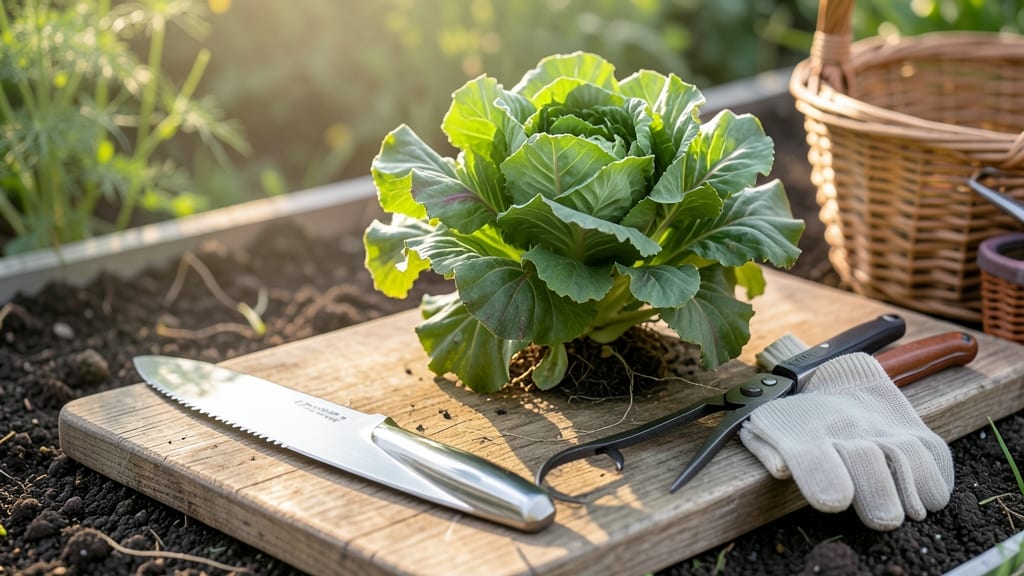
The first crisp bite of how to cut leaf lettuce from the garden changes everything. ✂️ Cutting leaf lettuce properly means endless salads without killing your plants—something I learned the hard way after chopping off entire heads in frustration.
The secret is simple: cut just the outer leaves, leaving the center intact so new growth keeps coming.
You’ll need sharp scissors or a clean knife (dull blades tear leaves) and a sunny morning after dew dries. Aim for 1/3 of the plant at a time, cutting at a slight angle just above the next set of leaves.
This keeps water from pooling and encourages fresh regrowth—no more sad, wilted centers.
By following this method, you’ll harvest 3-4 times from one plant all season, with tender leaves ready in just 4-6 weeks after cutting. The plants stay compact, resist bolting, and produce more than store-bought bags ever could.
Works for butterhead, romaine, and loose-leaf varieties alike. Here’s how to do it without turning your garden into a lettuce stump—plus the mistakes that’ll ruin your harvest before it starts.
📚 In This Guide
- What you need
- Instructions
- Tips and common mistakes
- Wrapping up and next steps
What you need
- ● Sharp kitchen shears or pruning shears – A pair with 5-7 inch blades (e.g., Felco or Fiskars) for precision cuts. Must be clean and sanitized to avoid disease.
- ● Clean, sharp chef’s knife – A 6-8 inch serrated or straight-edge knife (like a Japanese santoku) for finer trimming.
- ● Cutting board – A large, stable board (12x18 inches) with a non-slip mat to protect your counter and keep lettuce in place.
- ● Glass or stainless steel bowl – A wide, shallow bowl (8+ inches) to hold freshly cut lettuce and prevent bruising.
- ● Water spray bottle – A small 8-16 oz bottle to mist lettuce leaves before cutting (keeps them crisp and reduces dust).
- ○ Garden gloves (optional but recommended) – Nitrile or cotton gloves to protect hands from dirt, thorns, or sap (especially if harvesting near roses or other prickly plants).
- ● Paper towels or clean kitchen towel – For patting leaves dry before storage or salad prep.
- ● Food-grade sanitizing spray – Like Star San or a diluted bleach solution (1 tbsp bleach per gallon of water) to disinfect tools before and after use.
- ● Salad spinner – A stainless steel or plastic spinner to dry lettuce thoroughly post-harvest (reduces wilting).
- ● Plastic storage containers with lids – Air-tight containers (16 oz or larger) for short-term storage (3–5 days in the fridge).
- ● Small hand trowel – For gently loosening soil around the base if you’re harvesting whole heads (not just leaves).
- ● Labeling markers – If you’re harvesting multiple varieties, use waterproof markers to label containers.
Step-by-step instructions for harvesting leaf lettuce
Here's how I harvest crisp, clean lettuce leaves without damaging the plant or ruining your salad.
🌿 Step 1: Wait for Mature Leaves
Harvest outer leaves when they reach about 3-4 inches long, which usually takes 4-6 weeks after planting. These mature leaves are fully developed and packed with flavor, while the inner leaves stay tender for future harvests. I like to check leaves in the morning when they're still crisp and hydrated from overnight dew.
Look for leaves that are fully unfurled and vibrant in color. Avoid harvesting leaves that are still curled tightly or show signs of bolting (tall stems forming). This ensures you get the best flavor and texture while keeping the plant healthy for continued growth.
✂️ Step 2: Use the Right Tools and Technique
Grab a pair of clean, sharp scissors or pruning shears—dull blades crush leaves and invite disease. Hold the leaf firmly with one hand and cut about 1/4 inch above the base where the leaf meets the stem. This prevents the plant from tearing and leaves a clean cut that heals quickly.
Never pull leaves by hand, even if they seem loose. The roots are delicate, and you'll damage the plant. I always sanitize my tools with rubbing alcohol between harvests to prevent spreading any potential pathogens from leaf to leaf.
💧 Step 3: Harvest Strategically for Continuous Yield
Cut only the outer leaves, leaving the inner rosette intact. This method lets the plant keep growing while you enjoy fresh leaves every 2-3 days. I start with the largest, most mature leaves first—they've had the longest to develop flavor and won't regrow as quickly.
If you notice the center leaves starting to yellow or the plant bolting (sending up a tall flower stalk), it's time to harvest everything. Bolting means the lettuce is shifting its energy to seed production, and the leaves will turn bitter. You'll know it's bolting when you see a tall stem emerging from the center.
🌱 Step 4: Store and Use Freshly Harvested Lettuce
Rinse leaves immediately in cool water to remove dirt and debris, then gently shake off excess moisture. Pat dry with a clean kitchen towel or paper towels—wet leaves spoil faster. Store them in a resealable plastic bag with a paper towel to absorb moisture, then refrigerate for up to 5-7 days.
For the freshest salads, use lettuce within 24 hours of harvest. The longer you wait, the more it wilts and loses crispness. I like to harvest in the morning and use it straight from the garden that evening—nothing beats that freshness for a perfect salad bowl.
☀️ Step 5: Maintain the Plant After Harvesting
After harvesting, water the plant at the base to encourage new growth. Lettuce thrives in cool weather and needs about 1 inch of water per week, either from rain or irrigation. Avoid overhead watering, which can spread disease and cause the leaves to yellow.
If your lettuce starts to look leggy or sparse after harvesting, it might need more light. Move it to a sunnier spot or provide shade cloth if temperatures exceed 75°F. With proper care, a single lettuce plant can produce enough leaves for multiple salads over 6-8 weeks.
Tips & tricks for perfect garden lettuce harvesting
Here's what I wish I knew when I first started harvesting my own lettuce—these little tricks make all the difference between sad, wilted leaves and crisp, salad-perfect greens.
Timing Secret: The morning after a light dew is the absolute best time to harvest. Leaves are fully hydrated and at their crispest. I set my alarm for 7 AM so I can get out there before the sun gets too hot—this makes a huge difference in texture. The 24-hour window between harvest and use is critical too; that's when lettuce stays at its peak freshness.
Tool Technique: I've ruined more lettuce than I care to admit using dull scissors. Invest in a good pair of pruning shears and always sanitize them with rubbing alcohol between cuts. For the cleanest harvest, cut at a 45-degree angle just above the base—this prevents tearing and gives you a professional-looking cut. And here's a pro move: hold the leaf with your non-dominant hand while cutting to maintain steady pressure.
Continuous Yield Strategy: Start with the largest outer leaves first—they've had the longest to develop flavor and won't regrow as quickly. This lets the inner leaves mature while you enjoy a steady supply. I've found that harvesting every 2-3 days keeps my plants thriving for months. Just remember: never take more than a third of the plant at once, or you'll shock the roots.
Storage Wisdom: The paper towel trick in your storage bag is non-negotiable. I've tried every method—plastic wrap, damp towels, you name it—and nothing keeps lettuce crisp like this simple technique. For maximum freshness, store leaves in a single layer rather than stacking them. And if you're not using them within 24 hours, give them a quick rinse right before serving to remove any dirt that might have settled during storage.
Pro Tips for Cut Leaf Lettuce From Garden
- Here's what I wish I knew when I first started harvesting my own lettuce—these little tricks make all the difference between sad, wilted leaves and crisp, salad-perfect greens.
- Timing Secret: The morning after a light dew is the absolute best time to harvest.
- Tool Technique: I've ruined more lettuce than I care to admit using dull scissors.
Frequently asked questions
Got questions about harvesting your leaf lettuce like a pro?
Here are the answers to the most common queries—so you can enjoy crisp, clean slices without the guesswork.
When is the best time to harvest leaf lettuce?
Harvest leaf lettuce in the early morning when it’s cool and crisp—this ensures the best flavor and texture. Avoid harvesting after a hot day, as the leaves may wilt or taste bitter. If you’re harvesting multiple times, pick outer leaves first to let the inner ones keep growing!
Do I need a sharp knife, or can I use scissors?
A sharp knife or garden shears works best for clean cuts, but scissors can work in a pinch—just be mindful of jagged edges. For large batches, a serrated knife or a mandoline slicer (with caution!) speeds up the process. Dull tools crush leaves, so keep your blades sharp!
What if my lettuce leaves are bitter? Can I still use them?
Bitter lettuce often happens due to heat stress or bolting (going to seed). For mild bitterness, soak leaves in ice water for 10–15 minutes before cutting to mellow the flavor. If severely bitter, compost them and try harvesting earlier in the day or providing shade for future crops.
How do I store cut lettuce to keep it fresh longer?
Wrap loosely in a damp paper towel, place in an airtight container, and store in the crisper drawer of your fridge. For even longer freshness, rinse and dry leaves just before cutting—moisture speeds up spoilage. Most cut lettuce stays crisp for 3–5 days this way!
Can I regrow lettuce after cutting it?
Yes! Leaf lettuce is cut-and-come-again friendly. After harvesting, leave the central crown intact and water well. New leaves will sprout in 1–2 weeks, giving you multiple harvests per plant. Just avoid cutting more than 1/3 of the plant at a time to keep it thriving.
Wrapping up and next steps
Cutting leaf lettuce from your garden doesn’t have to be a messy chore—with the right tools and techniques, you’ll harvest crisp, clean slices perfect for salads in no time! 🌱 Whether you’re a seasoned gardener or just starting out, these steps ensure minimal waste and maximum freshness.
Now that you’re equipped with the know-how, grab your shears and enjoy the fruits (or leaves!) of your labor—and don’t forget to share your harvest with friends or meal-prep for the week ahead!
Pro tip: Experiment with different cutting styles to elevate your salads—thin ribbons for garnishes, chunky pieces for hearty bowls, or even whole leaves for wraps! Happy harvesting! 🥗✨