
Planting
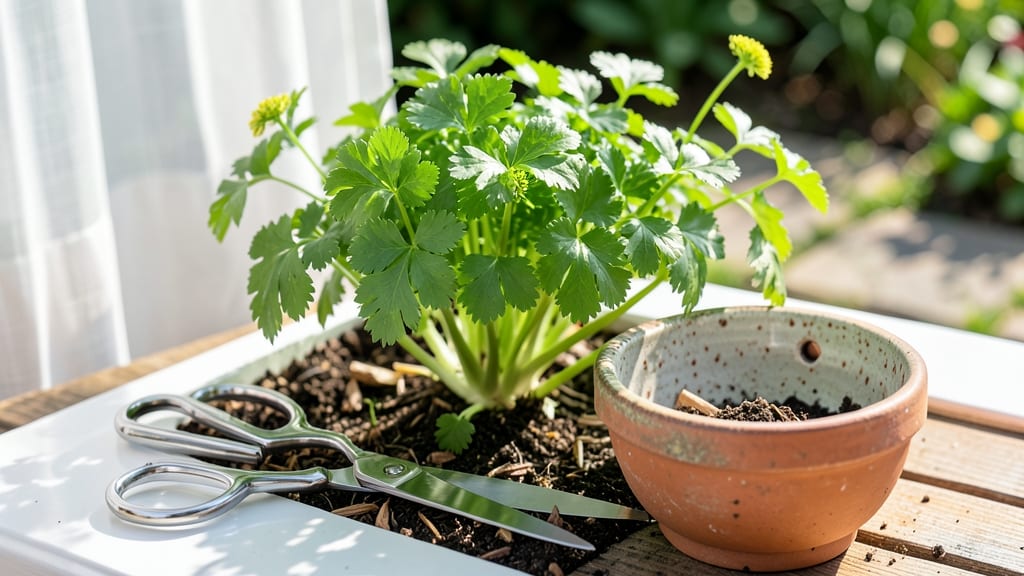
How to cut parsley off the plant properly keeps your plant thriving and your kitchen stocked. ✂️ I used to snip leaves randomly—until my parsley turned leggy and sparse. The secret is strategic cuts that encourage bushier growth while preserving your harvest. Start by using clean, sharp scissors or pruning shears to avoid damaging stems. Never cut more than one-third of the plant at once, and always trim just above a leaf node where new growth emerges. This simple technique ensures your parsley stays productive for months. By following this method, you'll see fresh, tender leaves regrowing in 2-3 weeks. The plant stays compact, dense, and ready for continuous harvesting—no bare stems or sad-looking foliage in sight. Avoid cutting in late summer or fall, as parsley needs energy to store nutrients for winter. And always harvest after rain or watering when stems are plump and resilient. Your parsley will thank you!
📚 In This Guide
- What you need
- Instructions
- Tips and common mistakes
- Wrapping up and next steps
What you need
- ● Sharp pruning shears or clean kitchen scissors – Choose bypass pruners (for clean cuts) or small, sharp scissors. Avoid dull tools that crush stems!
- ○ Gloves (optional but recommended) – Protect your hands from thorns (especially curly parsley) or soil. Lightweight gardening gloves work great.
- ● Containers or bowls – A shallow tray or bowl to collect clippings for cooking or composting.
- ○ Water spray bottle (optional) – A light mist helps keep leaves fresh if you’re storing them before use.
- ● Disinfectant (rubbing alcohol or bleach solution) – Wipe down tools between cuts to prevent disease spread.
- ● Compost bin or bag – For stems and leaves you won’t use (they break down quickly!).
- ● Labeling markers – If you’re harvesting multiple herbs, mark containers to avoid mix-ups.
- ● Pruning saw (for woody stems) – Only needed if your parsley plant has thick, stubborn stems.
How to prune parsley for thicker growth without losing leaves
Here's the simple method I use to keep parsley lush and productive all season—no guesswork involved.
✂️ Step 1: Wait Until the Plant Has 4-6 True Leaves
Don't rush to prune. Wait until your parsley has 4-6 true leaves (the larger, mature leaves after the initial baby leaves). This ensures the plant has enough energy stored to regrow. I always check the center first—if you see 3-4 sets of leaves growing outward from the base, it's ready.
Use clean, sharp pruning shears or even kitchen scissors (just sterilize them first with rubbing alcohol). Cutting with dull blades crushes stems and invites rot. I like to make my first cut about 1-2 inches above the base, just below a leaf node where new growth will emerge.
✂️ Step 2: Harvest Outer Leaves First to Encourage Bushiness
Never cut the center stem—that's where new growth comes from. Instead, focus on the outer leaves and side stems. These leaves are fully mature and won't stunt the plant's growth. I grab a handful of the largest outer leaves and snip them at the base where they meet the stem.
Leave the inner leaves untouched—they're still growing and will form the plant's bushy center. If you see any yellowing or wilted leaves, remove those first. They're not just ugly—they're stealing energy from the healthy growth. I usually harvest about one-third of the plant at a time to avoid stressing it.
☀️ Step 3: Prune After Watering for Healthier Regrowth
Always prune 2-3 hours after watering when the soil is moist but not soggy. This prevents shock to the plant and ensures clean cuts. If your parsley is in full sun, water it deeply the morning of pruning—hydrated plants bounce back faster.
After cutting, step back and admire your work. You should see multiple leaf nodes exposed where new growth will sprout. If you accidentally cut into the center stem, don't panic—just trim the damaged area cleanly with sterilized shears. The plant will still recover as long as the root system is healthy.
⏰ Step 4: Maintain a Regular Pruning Schedule
Parsley thrives on regular, light pruning rather than occasional heavy cuts. I prune mine every 3-4 weeks during the growing season (spring through fall). This keeps the plant compact, encourages dense foliage, and ensures a steady supply of fresh leaves.
In late summer, when growth slows, reduce pruning to once every 6-8 weeks. The plant needs time to harden off before winter. If you're growing parsley in containers, prune slightly more frequently—compact root systems benefit from regular trimming to prevent overcrowding.
🌱 Step 5: Fertilize Lightly After Pruning for Strong Recovery
After your first major pruning, give the plant a light feeding with a balanced liquid fertilizer (like 10-10-10) diluted to half strength. This boosts root and leaf growth without burning the plant. I mix it in a spray bottle and apply it to the soil—not the leaves—to avoid salt buildup.
Over-fertilizing now will lead to soft, weak leaves that attract pests. Instead, focus on watering deeply (about 1 inch per week) and mulching to retain moisture. You'll notice new growth within 7-10 days—that's your reward for proper pruning!
Tips & tricks for perfect parsley pruning
Real talk: I've seen parsley plants turn into sad, leggy sticks after aggressive pruning. Here's how to keep yours thriving.
Tool Selection: Don't underestimate your tools! While kitchen scissors work in a pinch, invest in a pair of small pruning shears for cleaner cuts. I keep mine sterilized in rubbing alcohol between uses—this prevents spreading disease between plants. For container parsley, a pair of sharp nail clippers can work too, but always clean them thoroughly afterward.
Visual Cue for Healthy Cuts: When making your first cut in Step 1, look for the leaf node—that little bump where leaves meet the stem. Cut just below it at your 1-2 inch mark. You'll know you're in the right spot when you see multiple leaf nodes exposed after cutting. These are where your new growth will sprout like magic!
Seasonal Adjustments: In cooler months (fall/winter), reduce your pruning frequency to once every 8-12 weeks instead of the regular 3-4 week schedule. Parsley grows slower when days shorten, and over-pruning can stress the plant. I check for new growth first—if I see only 1-2 new leaves since last pruning, I wait another week.
Rescue Strategy: Accidentally cut into the center stem? Don't toss the plant. Immediately trim the damaged area cleanly with sterilized shears, then apply a light dusting of cinnamon (not too much!) to the cut to prevent infection. Water deeply the next day—this helps the plant recover faster. I've saved plants this way that looked like they were dying!
Pro Tips for Cut Parsley Off Plant
- Real talk: I've seen parsley plants turn into sad, leggy sticks after aggressive pruning.
- Tool Selection: Don't underestimate your tools!
- Visual Cue for Healthy Cuts: When making your first cut in Step 1, look for the leaf node—that little bump where leaves meet the stem.
Frequently asked questions
Got questions about harvesting parsley without harming your plant? You’re not alone! Here are answers to the most common concerns—from timing to troubleshooting—so you can keep your parsley thriving while enjoying fresh, flavorful leaves.
How often should I cut parsley from the plant?
For flat-leaf parsley, snip leaves every 2–3 weeks to encourage bushier growth. Curly parsley is more delicate—harvest only when needed (about once a month) to avoid stressing the plant. Regular pruning prevents bolting (flowering) and keeps your parsley productive for months!
What’s the best time of day to cut parsley?
Harvest parsley in the morning after dew has dried but before the heat of the day. This ensures leaves are crisp, hydrated, and packed with flavor. Avoid cutting in the evening, as moisture can linger, increasing the risk of fungal issues.
Can I cut parsley stems too short? Will it regrow?
Yes, but avoid cutting stems below 1–2 inches from the base—this can stunt regrowth. If you accidentally trim too low, don’t worry! Parsley is resilient. Just water it well and avoid harvesting for 2–3 weeks to let new growth sprout.
What if my parsley turns yellow or wilted after cutting?
Yellowing or wilting can signal over-harvesting or underwatering. Give your plant a break from cutting and water deeply at the soil level (not the leaves). If the problem persists, check for pests (like aphids) or nutrient deficiencies—parsley thrives in well-draining soil with occasional compost.
Can I use scissors or should I pinch leaves by hand?
Both work! Scissors are great for clean cuts on larger stems, while pinching leaves by hand is ideal for smaller harvests and encourages branching. Just sanitize your tools with rubbing alcohol to prevent disease. Pro tip: Never pull leaves—this damages the plant!
Wrapping up and next steps
Cutting parsley from your plant doesn’t have to be stressful—with the right technique, you’ll encourage bushier growth while keeping your harvest fresh and plentiful! 🌿 Whether you’re snipping stems, trimming leaves, or pruning for regrowth, remember: consistency and clean cuts are your best friends.
Now that you’re armed with tips, grab those shears and enjoy the satisfaction of a thriving herb garden.
Ready to take it further? Experiment with companion planting or try growing parsley from seed—your green thumb is just getting started! 🌱