
How To
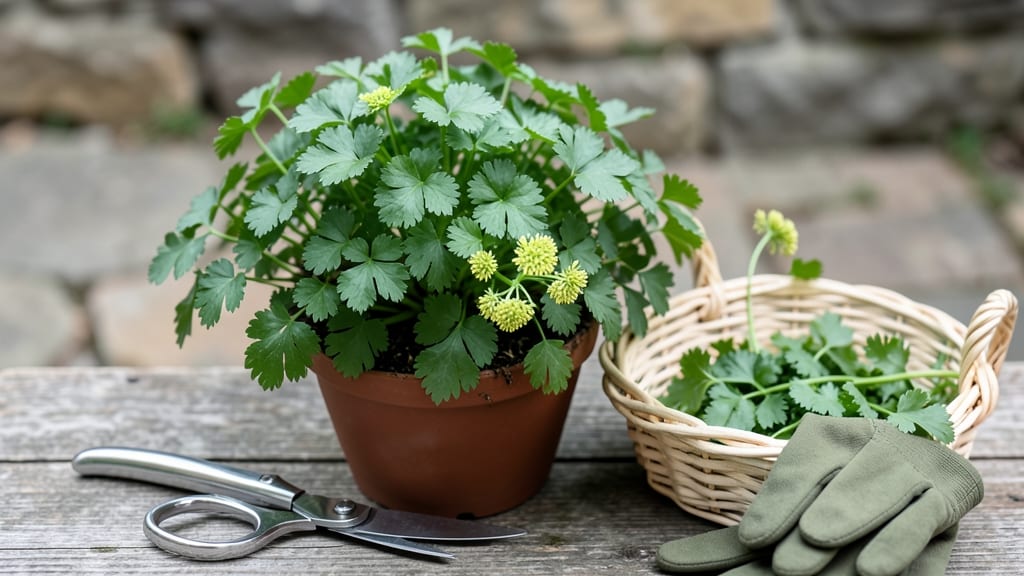
When to harvest flat leaf parsley for best flavor and regrowth
Timing your flat leaf parsley harvest is everything—cut too early, and you’ll stunt growth; wait too long, and the flavor fades. The ideal harvest window starts when leaves reach 3-4 inches long and have fully unfurled.
This usually happens 60-90 days after planting, depending on your climate and growing conditions.
Harvesting at the right stage ensures maximum flavor and encourages continuous regrowth. Parsley leaves are most aromatic when young and tender. If you let them mature too long, they’ll become bitter and woody, ruining that fresh, bright taste we all love in soups and salads.
Seasonal timing also matters—parsley thrives in cooler weather and may bolt (flower prematurely) if exposed to intense heat or long days. In USDA Zone 6a, aim to harvest between June and October. In milder climates, you can enjoy fresh parsley year-round with proper care.
Look for these visual cues before harvesting: leaves should be deep green, vibrant, and fully opened with a firm but flexible stem. Avoid harvesting if leaves are pale, yellowing, or under 2 inches long—these signs mean the plant isn’t ready yet.
| Harvest Stage | Leaf Size | Stem Condition | Flavor Profile | Regrowth Potential |
|---|---|---|---|---|
| Early Harvest | 1-2 inches | Soft, flexible | Mild, sweet | Slower |
| Ideal Harvest | 3-4 inches | Firm, upright | Bold, aromatic | Fastest |
| Late Harvest | 4+ inches | Woody, tough | Bitter, harsh | Stunted |
For continuous harvests, focus on selective harvesting—snip only the outer leaves first. This method encourages the plant to produce new growth from the center while keeping it lush and productive.
Avoid cutting more than 1/3 of the plant at once, or you risk shocking the roots and slowing regrowth.
If your parsley starts to bolt (send up flower stalks), it’s a sign it’s past its prime. Flowering reduces flavor and can make leaves bitter. To prevent this, harvest aggressively before buds form and keep plants in partial shade during hot summer months.
Mulching around the base also helps regulate soil temperature.
In cool-season climates, you can extend the harvest window by protecting plants with row covers or moving pots indoors before the first frost. With the right timing, a single parsley plant can provide months of fresh harvests, making it one of the most rewarding herbs to grow.
Pro tip: Harvest in the morning after dew has dried for the freshest flavor. The oils in the leaves are most concentrated at this time, ensuring your dishes pack maximum punch.
🌿
Step-by-step harvesting techniques to encourage bushier growth
Harvesting flat leaf parsley correctly isn’t just about snipping leaves—it’s about encouraging your plant to grow fuller and more productive. The right technique ensures you get continuous harvests while keeping your parsley lush and vibrant.
Start by focusing on the outer leaves, which are the most mature and ready for picking.
Use a sharp pair of scissors or pruning shears to make clean cuts just above a leaf node. This small detail prevents damage to the stem and promotes new growth.
Avoid tearing leaves, as this can stress the plant and invite pests. Always harvest in the morning when leaves are dry and fully hydrated for the best flavor.
Step-by-Step Parsley Harvesting Guide
- Step 1: Choose 3-4 mature outer leaves (3-4 inches long).
- Step 2: Hold leaves firmly and cut 1/4 inch above a leaf node with clean shears.
- Step 3: Leave inner leaves to keep the plant photosynthesizing.
- Step 4: Harvest no more than 1/3 of the plant at once.
- Step 5: Rinse leaves in cool water and pat dry with a paper towel.
For bushier growth, practice selective harvesting—never cut into the center of the plant. This encourages the parsley to branch out and produce more leaves. If your plant starts looking woody or leggy, it’s a sign you’ve been harvesting too aggressively.
Trim back any flower stalks immediately to redirect energy to leaf production.
After harvesting, water your parsley deeply to help it recover. A light application of balanced fertilizer (5-10-10) every 4-6 weeks during the growing season keeps your plant healthy and productive. Avoid over-fertilizing, as this can lead to excessive leaf growth at the expense of flavor.
In hot climates, parsley may go dormant or bolt (produce flowers). If this happens, move your plant to a shadier spot and reduce watering slightly. With the right harvesting techniques, your flat leaf parsley can provide continuous harvests for months, making it a low-maintenance yet high-reward herb.
Pro tip: Label your parsley plants if you’re growing multiple varieties, as some herbs can cross-pollinate and affect flavor. Store harvested parsley in the fridge for up to 1 week or freeze it in ice cube trays for later use.