
Pests
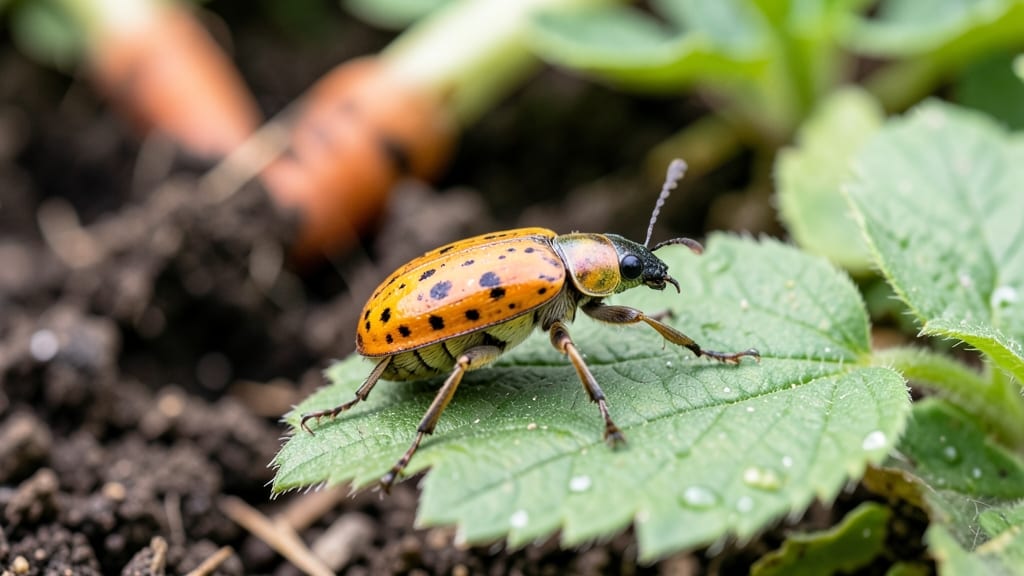
How to discourage chipmunks from digging in your garden is easier than you think—just a few drops of peppermint oil can turn these tiny diggers into skittish speedsters. 🌿 These creatures hate the scent, and a few drops around your garden can keep them from turning your soil into a tunnel system. I've tried everything—from wire mesh to ultrasonic devices—and this simple, humane trick works best.
The key is placement: soak cotton balls in peppermint oil and tuck them near entry points or plant them around vulnerable areas. Reapply every 2-3 weeks or after rain. Chipmunks won’t dig where they can’t stand the smell, and your seeds, bulbs, and young plants stay safe.
You’ll notice the difference within days—fewer fresh mounds of dirt, no vanished seedlings, and a garden that stays intact. The best part? It’s chemical-free, harmless to pets and plants, and costs pennies to maintain.
Works for raised beds, in-ground gardens, and even container plantings. No more waking up to a landscape that looks like a chipmunk construction site—just peace of mind and thriving plants.
Root Causes of Chipmunk Digging
If you’ve ever found your garden or yard transformed into a chipmunk’s personal excavation site, you’re not alone. These tiny, energetic rodents have specific reasons for their digging habits—some practical, some instinctual.
Understanding why they dig is the first step to stopping them. Below, we break down the science-backed motivations behind their underground antics.
Chipmunks are hoarders by nature. Their cheeks can expand to hold up to one-third of their body weight in seeds, nuts, and other food items—enough to sustain them through winter.
But they don’t just stash food in their cheeks; they also bury it in shallow holes near their burrows. Here’s why this drives their digging:
- Survival Mechanism: In the wild, chipmunks rely on cached food when fresh supplies are scarce. Digging allows them to create hidden pantries, reducing competition and predation risks.
- Memory Triggers: Studies show chipmunks use spatial memory to relocate buried food. If they find your garden or lawn rich in seeds (e.g., from fallen fruit trees or birdseed), they’ll keep digging to expand their stash.
- Seasonal Behavior: Digging peaks in late summer and fall, when chipmunks prepare for hibernation. A single chipmunk can bury thousands of seeds in a season!
Actionable Insight: If you notice fresh digging near bird feeders or fruit trees, the chipmunks are likely stockpiling. Removing food sources (like spilled seeds) can deter them—but they’ll still dig if they sense buried treasure nearby.
Chipmunks are solitary but territorial, and their burrows serve as year-round homes, not just food caches. Digging isn’t just about storage—it’s also about security and comfort. Here’s the breakdown:
- Burrow Structure: A chipmunk’s den can have multiple chambers, including a nesting area lined with soft materials (like leaves or grass). They dig to:
- Escape predators (e.g., owls, snakes, or even cats).
- Regulate temperature—burrows stay cooler in summer and warmer in winter.
- Create escape tunnels in case of disturbances (like humans or other animals).
- Mating Season: During spring and early summer, male chipmunks dig additional tunnels to mark territory or attract females. This can lead to sudden, aggressive digging in yards.
- Material Needs: Chipmunks drag soil, leaves, and even small rocks to reinforce their burrows. If your yard has loose, sandy, or soft soil, it becomes an easy target.
Actionable Insight: If you spot multiple entry points or tunnels with fresh dirt, the chipmunks are likely expanding their home. Hardening soil with gravel or dense mulch can make digging harder—but they’ll still try if they’re determined.
Chipmunks thrive in environments that mimic their natural woodland or meadow habitats. When humans alter these spaces—whether through landscaping, construction, or overgrown vegetation—chipmunks adapt by digging to reclaim their ideal conditions. Here’s how:
- Soil Aeration: Chipmunks dig to loosen compacted soil, which helps roots (including their own food sources) access nutrients. In urban or suburban areas, soil is often too hard from foot traffic or machinery, so they dig to “fix” it.
- Vegetation Control: By digging, chipmunks can:
- Expose seeds for easier access.
- Create clearings that attract insects (a protein-rich food source).
- Disturb plant roots, which may release more nutrients into the soil—benefiting their food supply.
- Water Access: Shallow digs near moisture (e.g., under sprinkler heads or leaky pipes) can create mini water sources, which are critical for hydration, especially in dry climates.
Actionable Insight: If your yard has recently been landscaped or compacted, chipmunks may dig to restore balance. Adding native plants with deep roots or using permeable mulch can reduce their incentive to dig.
Chipmunks are highly curious and use digging as a way to explore and communicate. Unlike purely survival-driven digging, this behavior is more about:
- Territorial Signals: Chipmunks leave visual and scent markers by digging. Freshly turned soil signals other chipmunks, “This area is taken!”—reducing conflicts.
- Foraging Experiments: They dig to test soil quality, check for hidden food, or even play. Yes, chipmunks do play! Young chipmunks may dig randomly to practice skills they’ll need as adults.
- Response to Disturbances: If you’ve recently raked leaves, moved rocks, or planted new flowers, chipmunks may dig to “reset” the environment to their liking—or simply out of habit.
Actionable Insight: If digging seems random or scattered, curiosity or territorial behavior is likely the cause. Removing attractants (like scattered seeds) and using natural deterrents (like peppermint oil) can discourage this habit.
Key Takeaway: Chipmunk digging is rarely accidental. It’s a strategic, instinct-driven behavior tied to survival, territory, and habitat preferences. By identifying which of these motivations is at play in your yard, you can target the right solutions—like food removal, habitat modification, or repellents—to finally put an end to their excavation projects.
Stop Chipmunks Before They Start
Chipmunks may look cute, but their digging habits can wreak havoc on your garden, lawn, or even your property’s foundation. The good news? With the right strategies, you can discourage them from turning your yard into their personal excavation site.
Below, we’ve mapped out practical, effective solutions based on the root causes of their digging—from food attraction to nesting instincts—and paired them with prevention tips to keep them away long-term.
If chipmunks are digging to uncover seeds, nuts, or insects, they’re essentially hunting for a snack. Remove the incentive with these steps:
🔥 Block Access to Food Sources
- Clear debris and mulch 🌿: Chipmunks love hiding in leaf piles, wood chips, or fallen branches.
Rake up organic matter and store firewood at least 20 feet away from your home. - Secure trash and compost 🗑️: Use metal bins with tight-fitting lids and avoid leaving pet food or fallen fruit outside.
Chipmunks have sharp teeth—they’ll chew through weak containers in minutes. - Store seeds and nuts properly 🌰: Keep birdseed, nuts, and garden seeds in airtight metal or heavy plastic containers. If you’re planting, opt for deer-resistant plants (like daffodils or marigolds), as chipmunks avoid their strong scents.
🌡️ Use Natural Repellents
Chipmunks hate peppermint oil, garlic, and hot pepper sprays. Mix 10-15 drops of peppermint oil with 1 quart of water in a spray bottle, then apply it to digging hotspots, garden beds, and entry points.
Reapply every 3-5 days or after rain.
For a stronger deterrent, try: - Garlic spray: Blend 1 chopped garlic bulb with 1 quart of water, strain, and spray on affected areas. - Hot pepper solution: Combine 2 tbsp cayenne pepper with 1 gallon of water and a few drops of dish soap (as a stickier residue).
Spray around digging zones.
💡 Pro Tip: Rotate repellents every few weeks—chipmunks can grow accustomed to the same scent over time.
Chipmunks dig burrows for shelter, especially in dry, loose soil. If they’re tunneling near your home, they may be seeking a cozy spot to raise their young.
👨🍳 Fill Gaps and Seal Entry Points
- Patch holes immediately 🔧: Use hardware cloth (1/4-inch mesh) or wire mesh to block new burrows.
Avoid soil or rocks, as chipmunks will just dig around them. - Install physical barriers 🛡️: Bury metal flashing or chicken wire 12 inches deep around garden beds, patios, or foundation areas.
Extend it 6-12 inches above ground to prevent climbing. - Remove loose soil and mulch 🏗️: Chipmunks love soft, easy-to-dig soil. Replace mulch with gravel or pebbles in high-risk areas (like near sidewalks or sheds).
🌿 Offer Alternative Nesting Sites
If chipmunks are digging due to lack of natural shelter, redirect them with: - Brush piles 🌳: Place a small, dense brush pile (about 3x3 feet) far from your home (at least 50 feet away).
Use sticks, leaves, and small branches—they’ll prefer this over your garden. - Chipmunk-proof planters 🏺: If you’re okay with a few chipmunks, use elevated planters with drainage holes filled with pebbles and sand (they dislike digging in this mix).
Chipmunks may dig to escape predators, find shade, or access moisture—especially in dry climates.
💧 Improve Drainage and Shade
- Fix standing water 💦: Chipmunks dig near damp soil. Ensure gutters, downspouts, and sprinkler heads aren’t creating puddles. Use French drains if your yard has poor drainage.
- Add shade structures ☀️: Install birdhouses, dense shrubs, or small sheds in sunny areas.
Chipmunks will seek these over open digging spots. - Use landscape fabric 🏗️: Lay heavy-duty landscape fabric under mulch or soil to make digging harder. Secure edges with rocks or bricks.
🌪️ Create Unfavorable Digging Conditions
Chipmunks avoid rough, uneven, or noisy environments. Try: - Landscape with rocks and pebbles 🪨: Spread sharp-edged gravel or crushed stone in areas where they dig.
The texture is uncomfortable for them. - Install motion-activated sprinklers 💦: Devices like ScareCrow or Orbit Enforcer spray water when they sense movement.
Chipmunks will associate digging with getting soaked! - Use ultrasonic repellents 🔊: Plug-in ultrasonic devices (like the Neatmaster Repellent) emit high-frequency sounds that bother chipmunks but are inaudible to humans and pets.
To keep chipmunks from returning, combine these habits: ✅ Inspect your yard monthly for new burrows or food sources. ✅ Keep grass and plants trimmed—chipmunks hide in overgrowth. ✅ Avoid overwatering—damp soil attracts them. ✅ Store firewood and compost bins away from your home. ✅ Rotate repellents every 2-3 weeks to maintain effectiveness.
By addressing why chipmunks are digging in the first place, you can eliminate the problem at its source—without resorting to traps or harm. Most importantly, consistency is key.
Chipmunks are persistent, so combine multiple methods (like repellents + barriers + habitat changes) for the best results. With patience, your yard can stay chipmunk-free!
Frequently asked questions
Why do chipmunks dig in my garden even after I've tried repellents?
Chipmunks are persistent diggers with strong instincts. If repellents like peppermint oil aren't working, they may have adapted to the scent or are digging for reasons beyond food (like nesting). Try rotating repellents every 2-3 weeks and combine them with physical barriers like hardware cloth or gravel. Also check for hidden food sources like spilled seeds or fallen fruit that might be attracting them.
Are there any plants that naturally repel chipmunks?
Yes! Chipmunks dislike strong scents. Plant daffodils, marigolds, or lavender around your garden edges—their natural oils act as mild deterrents. You can also crush mint leaves and scatter them near digging hotspots. Just be aware these plants won't provide complete protection, so combine them with other methods like peppermint oil barriers.
Is it safe to use peppermint oil around pets?
Peppermint oil is generally safe for pets when used properly, but always dilute it (10-15 drops per quart of water) and avoid direct application on plants pets might eat. Cats are particularly sensitive—keep them away from treated areas until the oil dries. For extra safety, use cotton balls soaked in diluted oil placed in mesh bags rather than spraying directly on soil.
How deep should I bury hardware cloth to block chipmunk burrows?
Bury hardware cloth at least 12 inches deep around garden beds or vulnerable areas. Chipmunks can dig surprisingly deep when motivated! Extend it 6-12 inches above ground level too, as they might try to climb over barriers. Use 1/4-inch mesh to prevent them from squeezing through any gaps. This creates a physical barrier they can't penetrate.
What's the best time of year to implement chipmunk deterrents?
Start deterrents in early spring before chipmunks become active, or in late summer when they begin preparing for winter. This gives you a head start before their digging peaks. Reapply repellents every 2-3 weeks or after heavy rain. Consistency is key—chipmunks need to consistently dislike an area to avoid it long-term.