
Tools
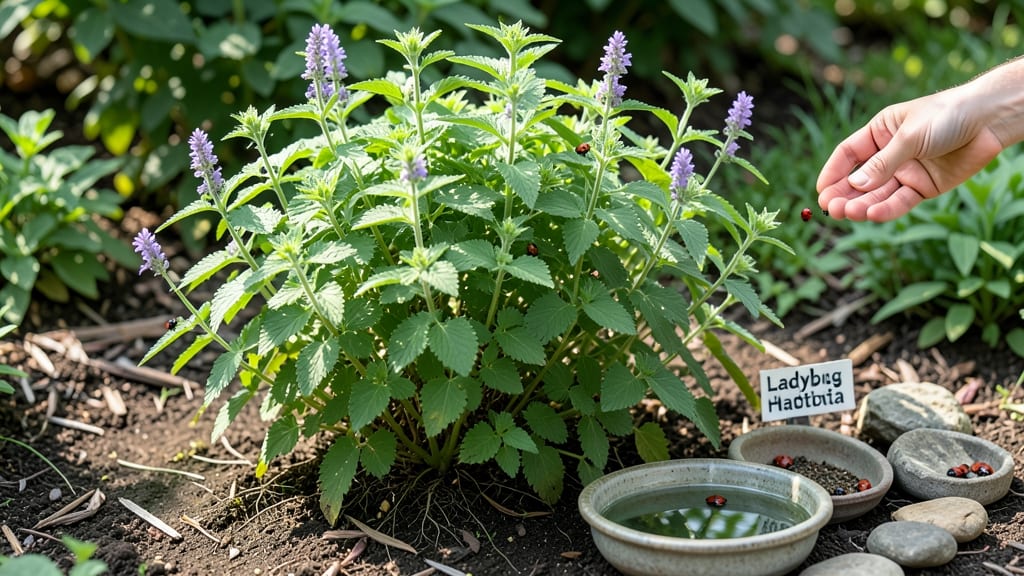
How to encourage ladybugs into your garden just got easier with this natural pest-control upgrade. 🌿 These tiny, spotted allies devour aphids, mites, and other garden pests—without harming your plants. But luring them in takes more than hope; it’s about creating the right environment with scents, water, and shelter.
Start with their favorite attractants: sweet-smelling flowers like marigolds, dill, and fennel draw them in, while shallow dishes of water with pebbles provide hydration. Avoid pesticides entirely—even organic ones can repel or kill these beneficial insects.
The key is patience; once they arrive, they’ll multiply and patrol your garden like a living security system.
By summer’s end, you’ll see ladybugs crawling over your plants, keeping pests at bay naturally. The best part? They’re free, chemical-free, and far more effective than store-bought solutions. Think of them as your garden’s built-in cleanup crew—no traps, no fuss, just results.
Works year-round in most climates, though cooler months mean fewer adults. Focus on spring and summer for the biggest impact. Here’s how to set it up right the first time.
📚 In This Guide
- What you need
- Instructions
- Tips and common mistakes
- Wrapping up and next steps
What you need
- ● Shallow water dish or bowl: 1 (6–8 inches in diameter, to prevent drowning). Use a saucer or lid to create a gentle entry point.
- ● Sweet liquid bait: 1 cup of overripe fruit juice (e.g., apple, berry, or citrus) or 1 tbsp honey mixed with warm water.
- ● Small rocks or pebbles: A handful (to provide escape ramps for ladybugs).
- ● Plant-friendly habitat: Native nectar-rich flowers (e.g., marigolds, cosmos, or dill—plant 3–5 stems per 10 sq. ft.).
- ● Leaf litter or mulch (1–2 inches deep in shady corners).
- ● Spray bottle: 1 (for misting plants with water if needed).
- ● Ladybug-attracting herbs: Mint, fennel, or tansy (plant 2–3 stems near traps).
- ● Pesticide-free zone: Avoid chemicals for at least 2 weeks before setting up traps.
- ○ Solar-powered bug light: 1 (optional, for nighttime ladybug activity tracking).
- ● Notebook & pen: To log ladybug sightings and habitat adjustments!
Step-by-Step instructions for creating ladybug attractors
Here’s how to lure these beneficial insects naturally—no chemicals or harm involved.
🌿 Step 1: Choose the Right Ladybug-Friendly Plants
Ladybugs adore certain plants, so start by planting aphid-producing flowers like cosmos, marigolds, or dill—they’re a buffet of their favorite snack. I like to add yarrow and fennel too; these attract aphids, which in turn draw ladybugs. Place these near your veggies or problem areas, but avoid pesticides—any chemical residue will scare them off.
If planting isn’t an option, use potted herbs like basil or dill on your patio. Even a small container works—just keep them healthy and pest-free. The key is variety: ladybugs need both food (aphids) and shelter (foliage). Watch for tiny green clusters on leaves—that’s your signal the aphid buffet is ready.
💧 Step 2: Set Up a Humane Ladybug Trap with Water and Sweet Scents
Fill a shallow dish (like a saucer) with 1-2 inches of water and a few drops of honey or maple syrup. Place it near your plants—this creates a safe watering hole. Ladybugs are attracted to sweet scents, so add a cotton ball soaked in vanilla extract or citrus peel nearby. The scent mimics their natural food sources and lures them in.
Place traps in shady spots where ladybugs can rest during the day. Avoid direct sun—it dries out the water too fast. Check the dish daily and refresh the water/scent mix every 2-3 days. You’ll start seeing them within a week, especially on warm, sunny mornings.
☀️ Step 3: Create Shelter with Tall Grass or Mulch
Ladybugs need hiding spots to rest and breed. Pile dry leaves, straw, or mulch in a corner of your garden or near your traps. They’ll crawl in to escape predators like birds or spiders. If you have tall grasses or wildflowers, leave some standing—they provide perfect cover.
For container gardens, tuck a small terracotta pot filled with straw near your plants. The rough texture gives them grip, and the straw retains moisture. Avoid dense mulch—it can trap too much dampness, which ladybugs dislike. Look for tiny orange spots on leaves or stems; that’s where they’re settling in.
⏰ Step 4: Monitor and Maintain the Habitat
Check your traps and plants every few days for ladybug activity. If you see them, avoid disturbing them—gentle watering in the early morning keeps their habitat moist without washing them away. If aphids disappear, add more aphid-friendly plants like nasturtiums or zinnias to keep the food supply steady.
In cooler months, ladybugs may hibernate. Leave undisturbed leaf litter or mulch piles—they’ll crawl in to wait out the winter. Come spring, they’ll re-emerge hungry for pests. If you notice fewer ladybugs, expand your traps or add more sweet scents like fermented fruit scraps (bury banana peels or apple cores nearby—they attract them too).
Tips & tricks for encouraging ladybugs in your garden
A few simple adjustments can transform your garden into a ladybug paradise. Here’s what I’ve learned from years of testing these methods—what works and what doesn’t.
Plant Selection Tip: Focus on aphid-producing plants like cosmos and marigolds, but don’t overlook the power of companion planting. Place these near your vegetables—the aphids will come first, and the ladybugs will follow. I’ve noticed that ladybugs prefer gardens with a mix of sun and shade, so position your aphid-friendly plants where they’ll get morning sun but afternoon shade. This creates the perfect microclimate for both aphids and their predators.
Trap Placement Strategy: When setting up your water and sweet scent traps (Step 2), place them near the base of plants rather than in the center of garden beds. Ladybugs are ground-dwellers—they’ll crawl up plants to hunt aphids but return to lower areas to rest. Also, avoid placing traps near strong winds; ladybugs are delicate fliers and may get blown away before they can land. A slight breeze is fine, but direct gusts will discourage them.
Shelter Design: For container gardens, I’ve found that terracotta pots work best for shelter because their rough texture gives ladybugs something to grip. Fill them with straw and place them near the base of your plants, but not touching the soil—this prevents moisture buildup that can harm them. If you’re using mulch piles, keep them loose and well-aerated; compacted mulch traps too much moisture, which ladybugs dislike. Think of it like creating a tiny, cozy hotel for them.
Seasonal Maintenance: In cooler months, leave your leaf litter and mulch piles completely undisturbed. Ladybugs will naturally migrate into these areas to hibernate, and disturbing them now could disrupt their winter survival. I’ve seen gardens where people rake everything clean in fall—then wonder why they don’t see ladybugs come spring. Be patient; nature’s timing is perfect if you let it work.
Pro Tips for Encourage Ladybugs Into Your Garden
- A few simple adjustments can transform your garden into a ladybug paradise.
- Plant Selection Tip: Focus on aphid-producing plants like cosmos and marigolds, but don’t overlook the power of companion planting.
- Trap Placement Strategy: When setting up your water and sweet scent traps (Step 2), place them near the base of plants rather than in the center of garden beds.
Frequently asked questions
Got questions about inviting ladybugs to your garden? Here are some common ones—and their answers!
What’s the best time of year to attract ladybugs?
Spring and early summer (April–June) are ideal! Ladybugs are most active when temperatures are mild (50–75°F), and their larvae need warm weather to thrive. Avoid trapping them in extreme heat or cold—they’ll be sluggish or dormant.
Will ladybugs stay in my garden long-term, or do I need to keep trapping them?
While some may stick around, ladybugs are migratory. To maintain a population, repeatedly use traps (like fermented fruit or yeast water) every 2–3 weeks during growing seasons. Planting nectar-rich flowers (like marigolds or dill) also helps them linger.
What if I don’t want to use food traps? Are there alternatives?
Try these humane methods:
- Plant ladybug-friendly flowers: Cosmos, yarrow, or fennel attract them naturally.
- Reduce pesticides: Chemical sprays kill ladybugs and their prey (aphids). Opt for soapy water or neem oil instead.
- Leave leaf litter: Piles of leaves or logs provide shelter for overwintering adults.
What do I do if my traps attract too many ladybugs at once?
Overcrowding can stress them! If your trap is swarmed, dilute the bait (e.g., use less sugar in water) or move the trap to a shady spot. Release excess ladybugs gently onto plants with aphids—they’ll disperse naturally. Avoid drowning them by checking traps daily.
Are there any plants I should avoid if I want ladybugs?
Ladybugs dislike strong-smelling herbs like mint or lavender in large quantities, as they can repel beneficial insects. Also, avoid chemical fertilizers—they alter soil scents and may deter ladybugs. Stick to organic, balanced options!
Wrapping up and next steps
Encouraging ladybugs into your garden is a simple yet rewarding way to boost your ecosystem naturally! By using sweet scents like vanilla or citrus, providing water sources, and creating cozy habitats, you’re not just attracting these tiny allies—you’re fostering a healthier, more vibrant garden. 🌿✨
Ready to take the next step? Start small—set up a single ladybug trap this weekend and observe the results. Over time, you’ll see more of these beneficial insects, helping your garden thrive without harsh chemicals. Happy gardening!