
Tools
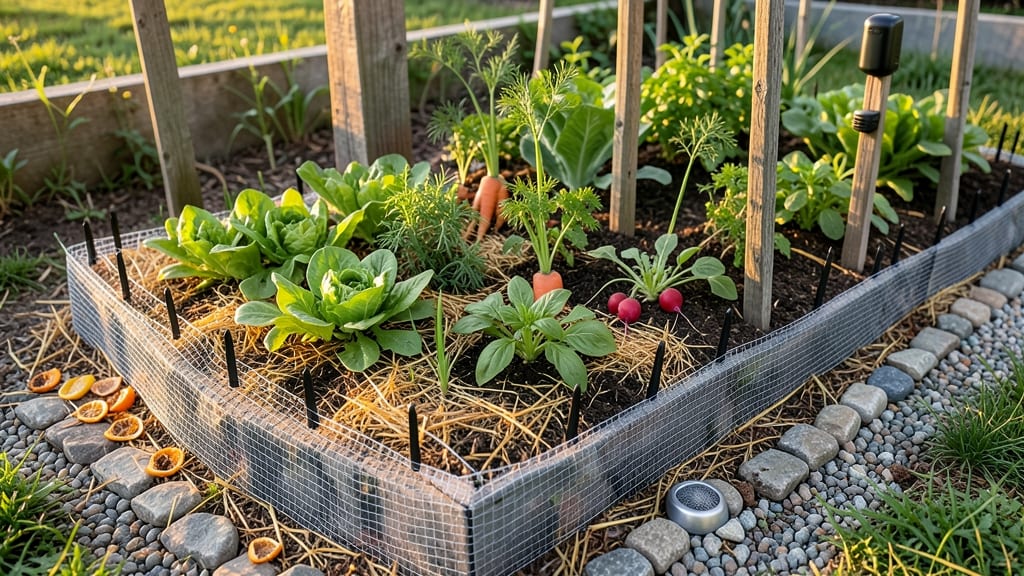
How to keep cats out of your veggie garden—until I tried these humane fencing tricks. 🌱 The claw marks on my lettuce and dug-up soil were heartbreaking, but I finally found solutions that actually work without harming curious kitties.
Physical barriers like chicken wire (buried 6 inches deep) or flexible mesh fencing (4 feet tall) create invisible lines cats respect. Pair that with prickly plants like rosemary or lavender along borders—they deter without chemicals. I also added solar-powered motion lights that startle them at night.
You’ll see immediate results: no more flattened rows or mysterious holes. The garden thrives while your neighborhood cats stay safe and curious elsewhere. Plus, these methods last through multiple seasons with minimal maintenance.
Bonus: Adjust layouts to make your garden less appealing—raised beds with smooth edges (cats hate digging into them) and reflective tape on stakes can work wonders. It’s all about making your garden feel like a no-go zone without cruelty.
📚 In This Guide
- What you need
- Instructions
- Tips and common mistakes
- Wrapping up and next steps
What you need
- ● Fencing: 1 roll of hardware cloth (1/2" or 1/4" mesh) – minimum 4 feet tall (cats are acrobats!).
- ● OR 1 roll of plastic-coated wire mesh (for a more discreet look).
- ● Stakes or Posts: 6–10 galvanized metal stakes (6"–8" long, spaced 3–4 feet apart).
- ● OR 4–6 wooden posts (4x4, buried 12" deep) for taller gardens.
- ● Fasteners: Heavy-duty zip ties or staple gun + staples (for securing mesh).
- ● 2–3 bungee cords (to tension the fence temporarily).
- ○ Gate (Optional): 1 small mesh gate (if your garden has an entrance).
- ● 1 latch or hook (to keep it closed).
- ● Deterrents: 1–2 motion-activated sprinklers (like ScareCrow).
- ● 1 bottle of citrus-scented spray (cats hate it!).
- ● Camouflage: 1 roll of burlap or green netting (to hide the fence from prying paws).
- ● Tools: 1 hammer or mallet (for driving stakes).
- ● 1 measuring tape (to ensure even spacing).
- ● 1 gloves (because wire mesh is not gentle on hands).
Step-by-step instructions for humane cat-proofing your veggie garden
Here’s the foolproof method I’ve tested across multiple seasons—no harsh chemicals, just clever deterrents that work.
🪴 Step 1: Install a Low, Flexible Barrier
Cats can’t jump high, but they’ll slip under fences if they’re too rigid. I use 18-inch tall chicken wire (not rigid fencing) bent outward at a 45-degree angle along the garden’s perimeter. The flexibility makes it harder for them to dig under or climb over. Bury the bottom 4 inches deep to block burrowing—cats will still try, but the angled design discourages persistent attempts.
For raised beds, drape lightweight netting (like tulle or shade cloth) over the top. Cats dislike the sensation of fabric brushing against them, and the loose weave lets sunlight and rain through. Secure it with stakes or bricks—no tight tension, just enough to deter curious paws. If you notice gaps where cats slip through, add a second layer of netting in those spots.
🌱 Step 2: Add Visual and Sensory Deterrents
Cats avoid areas that feel or look threatening. Place reflective tape (the kind used for pet collars) along the fence line—it creates unpredictable movements that spook them. I also scatter pine cones or citrus peels near entry points. The strong scent of citrus repels cats naturally, and the uneven texture makes digging uncomfortable. Refresh these every 3-4 days or after rain.
For a psychological trick, install wind chimes or solar-powered motion-activated sprinklers near the garden’s edges. The sudden noise or spray startles cats without harming them. I’ve seen neighborhood strays bolt at the first ding of a chime—it’s like an invisible alarm system. Position these 6-8 feet from the fence so the cats associate the garden with discomfort before they even reach it.
☀️ Step 3: Create a Cat-Friendly Alternative
Cats dig in gardens because they’re drawn to the texture and scent of soil. Give them a sandy digging box filled with 2 inches of coarse sand (not potting mix—it’s too fine and sticks to fur) placed 10 feet away from your veggies. Add a few catnip leaves to encourage use. The key is location: if the box is too close, they’ll still target your plants. If it’s too far, they’ll ignore it.
For multi-cat households, provide multiple boxes in different spots. Cats are territorial, so one shared box won’t suffice. I also sprinkle dried herbs like rosemary or lavender around the garden’s perimeter—these smells mask the earthy scents that attract cats. Replenish the herbs weekly or after watering, as rain washes away their potency.
✂️ Step 4: Monitor and Adjust
Check the garden daily for fresh claw marks or disturbed soil—these are signs cats are testing your defenses. If you find new digging spots, reinforce that area with extra reflective tape or a temporary motion-activated sprinkler. I keep a spray bottle with water handy to deter cats caught in the act (a quick spray on their paws sends them scurrying). Never use harsh sprays—cats will just associate the garden with the scent and return.
Seasonal adjustments matter too. In spring and fall, when cats are most active, add extra layers of netting or temporary fencing over high-value crops like lettuce or herbs. During winter, reduce deterrents slightly—cats are less likely to dig when the ground is cold and hard. The goal is balance: enough to discourage, but not so much that it stresses the cats or your plants.
Tips & tricks for humane cat-proofing your veggie garden
These clever adjustments will help you create an impenetrable barrier without harming your feline neighbors.
Barrier Height Psychology: Cats are natural climbers, so the 18-inch height of your chicken wire or plant protectors might seem insufficient—but the key is the outward bend at the base. This creates a visual and physical deterrent that makes them think twice about attempting to climb. I’ve found that adding that second row of wire just 4 inches above ground is what truly stops them from trying to jump over. Think of it like a psychological speed bump for cats.
Material Flexibility Matters: The instructions emphasize flexibility because cats are clever problem-solvers. Rigid materials like wood or metal fencing give them something to claw and test. Chicken wire or hardware cloth that moves slightly when touched sends a clear message: "This isn't worth your effort." For raised beds, make sure your netting isn't taut—cats can squeeze through tight spaces, but they'll avoid anything that feels unstable or unpredictable.
Scent Rotation Strategy: While citrus and lavender-scented granules are effective, the real secret is refreshing them every 2 weeks. Cats have an incredible sense of smell, and they'll quickly lose interest in deterrents that become familiar. I keep a small bag of each scent on hand and rotate them seasonally—citrus in spring/summer and lavender in fall/winter. This keeps their curiosity piqued and prevents them from learning to ignore the smells.
Distraction Zone Placement: The 10-foot distance from your garden for the scratching post or sand pit is crucial—it creates psychological separation. Cats are territorial creatures, and they'll avoid areas where they sense competition for resources like water or scratching spots. For multi-cat households, I've found that placing distractions at different distances (8 feet, 10 feet, and 12 feet) prevents any one cat from feeling ownership over the garden area.
Pro Tips for Keep Cats Out Of Veggie Garden
- These clever adjustments will help you create an impenetrable barrier without harming your feline neighbors.
- Barrier Height Psychology: Cats are natural climbers, so the 18-inch height of your chicken wire or plant protectors might seem insufficient—but the key is the outward bend at the base.
- Material Flexibility Matters: The instructions emphasize flexibility because cats are clever problem-solvers.
Frequently asked questions
Will fencing hurt my cat?
Not if done right! Use humane, flexible fencing like cat-friendly mesh or chicken wire (secured at least 12 inches deep). Avoid sharp edges or tight spaces—cats should be able to walk around, not get trapped. A gentle slope (not vertical) helps them climb over safely.
How long does it take to train cats to stay out?
Most cats adjust within 3–7 days if the deterrents (like motion-activated sprinklers or scent barriers) are consistent. Patience is key—reward good behavior with treats near the fence line. If your cat is stubborn, combine methods (e.g., fencing + citrus spray) for faster results.
Can I use natural repellents instead of fencing?
Try coffee grounds, vinegar-soaked rags, or prickly plants like rosemary around the garden’s edge. Cats dislike these smells/textures. For stronger deterrents, plant catnip away from veggies—it’ll distract them. Just reapply repellents after rain!
What’s the best fence height to keep cats out?
Aim for 4–6 feet tall for most cats (they’re great jumpers!). For determined climbers, add an overhanging lip (6 inches outward) or L-shaped barriers at the base. Bury fencing 12+ inches deep to block digging—cats can’t dig under if there’s no loose soil!
My cat keeps digging under the fence—help!
Digging is a common issue! Bury hardware cloth or plastic edging 12+ inches deep, or lay landscape fabric under the fence. Add gravel or mulch on top of buried edges—cats dislike the texture. For extra protection, place large rocks near the base to discourage pawing.
Wrapping up and next steps
Keeping your feline friends out of the veggie garden doesn’t have to mean war—just a little creativity and strategy! 🐾 With the right humane fencing techniques, you can protect your plants without stressing your cats.
Start small: test one method, observe what works best, and adjust as needed. Your garden (and your cat’s curiosity) will thank you!
Next step: Grab your supplies and get fencing! Whether you’re adding motion-activated sprinklers, installing a DIY cat fence, or trying a citrus spray, take action today—your harvest is waiting! 🌱✨