
Pests and Diseases
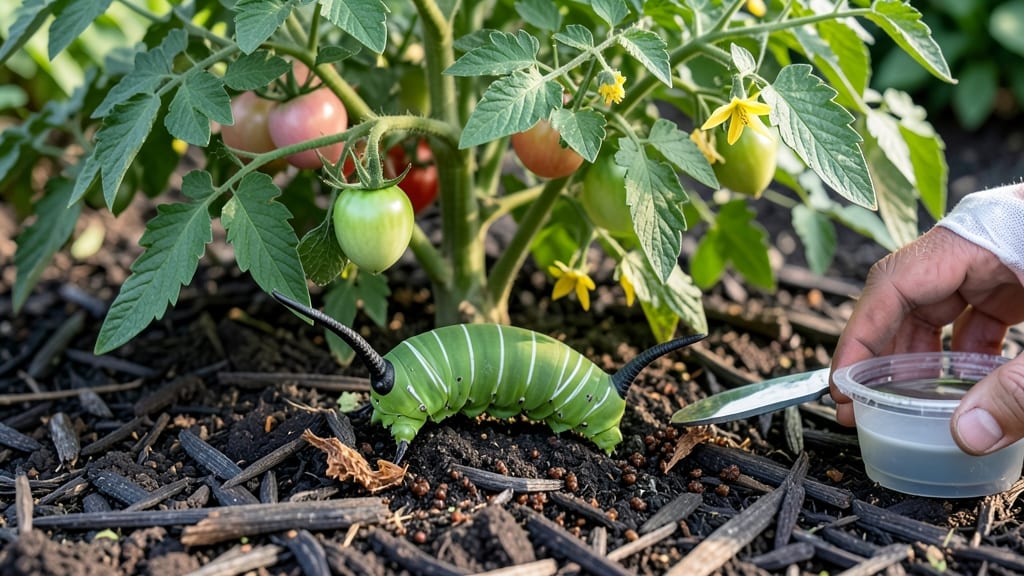
Your tomato plants are disappearing overnight—and the culprit is probably those green, striped caterpillars lurking in your foliage. 🌿 Finding hornworms early means saving your garden from skeletonized leaves and missed harvests, and I’ve learned the sneaky spots where they hide best.
They blend into stems and undersides of leaves like camouflaged ninjas, but look for chewed leaves with ragged edges and black "horns" on their backs. Morning inspections work best—they’re sluggish when cool, making them easier to spot before they vanish into the foliage.
Once you find them, act fast: drop them into soapy water or relocate them to a nearby wildflower patch (they’ll become beautiful sphinx moths). The key is speed—hornworms can devour a tomato leaf in hours, and if you miss them, your plants won’t recover.
This method works for tomatoes, peppers, and eggplants, and it’s the first step toward keeping your garden thriving without harsh chemicals. Let’s get those pests out in the open!
📚 In This Guide
- What you need
- Instructions
- Tips and common mistakes
- Wrapping up and next steps
What you need
- ● Gloves – A pair of nitrile or cotton gloves (size medium/large) to protect your hands from prickly spines.
- ● Flashlight or headlamp – A bright LED flashlight (1000+ lumens) for nighttime hunting (hornworms are nocturnal!).
- ● Magnifying glass or loupe – A 10x magnification tool to spot tiny eggs or camouflaged caterpillars.
- ● Small container or jar – A clear plastic container with ventilation holes (or a mesh bag) to safely relocate hornworms.
- ● Pruning shears or scissors – Sharp, small-bladed tools to trim plant stems where eggs or caterpillars hide.
- ● Garden twine or sticky traps – To monitor egg-laying moths or track movement.
- ● Notebook & pen – For logging hornworm sightings (great for tracking patterns!).
- ● Spray bottle with water – To gently dislodge caterpillars from leaves.
- ● Camera or smartphone – Capture those epic hornworm moments for your garden journal!
Step-by-Step guide to hunting down hornworms in your garden
Here’s how I spot these striped munchers before they devour your tomato plants.
🌿 Step 1: Scout Early Morning or Late Evening
Hornworms are nocturnal, so they’re most active when temperatures are cooler. Head outside within an hour after sunrise or just before sunset—this is when they’re most visible on leaves. I like to check my tomato plants first, as they’re their favorite snack. Look for large green caterpillars with white diagonal stripes and a horn-like tail.
If you’re struggling to spot them, try gently shaking the plants over a white towel or bucket. Hornworms will often drop to the ground when disturbed, making them easier to find. The earlier you catch them, the less damage they’ll do to your plants.
🌱 Step 2: Inspect the Undersides of Leaves
Hornworms blend in surprisingly well with foliage, especially on the undersides of leaves. I start by examining the largest, healthiest leaves first—these are their prime targets. Run your fingers along the veins and edges of the leaves; you’ll often feel their rough texture before you see them.
Pay close attention to new growth and flower buds, too. Hornworms often hide near these areas to avoid predators. If you see chewed leaves with ragged edges, that’s a dead giveaway. I carry a small magnifying glass to help me spot them faster, especially in dense foliage.
🌿 Step 3: Check the Soil and Mulch
Hornworms drop to the ground when they feel threatened, so inspect the soil around your plants. I like to use a small hand trowel to gently lift mulch and leaf litter—this is where they often hide during the day. Look for their distinctive green bodies with white stripes against the darker soil.
If you’re dealing with a severe infestation, you might even find their dark green droppings on the soil surface. These are another clue that hornworms are nearby. I recommend wearing gloves for this step, as some gardeners report mild skin irritation from handling them.
⏰ Step 4: Use a Flashlight at Night
If daytime scouting isn’t yielding results, try hunting at night with a flashlight. Hornworms are most active after dark, and the contrast between their green bodies and the dark foliage makes them easier to spot. Shine the light from the side of the plant rather than directly on the leaves—this reduces glare and helps them stand out.
I’ve found that using a red LED flashlight minimizes stress to the plants while still allowing me to see clearly. If you spot one, gently pluck it off the plant and drop it into a bucket of soapy water. This method is quick and prevents them from crawling back onto your plants.
🪴 Step 5: Set Up Traps or Use Sticky Cards
For persistent infestations, I set up simple traps using yellow sticky cards. Hornworms are attracted to the color, and the sticky surface ensures they can’t escape. Place the cards near your tomato plants and check them daily. This method is especially useful if you’re dealing with a large garden and can’t inspect every plant manually.
Another trick is to use a white sheet or towel draped over a branch. Shake the plant gently, and the hornworms will often fall onto the sheet, making them easy to collect. This is a great way to catch multiple caterpillars in one go without having to search leaf by leaf.
Tips & tricks for spotless garden pest patrol
Real talk: Finding hornworms takes patience, but these tricks cut your search time in half. Here's what nobody tells you—
Timing is Everything: The one-hour window after sunrise or before sunset in Step 1 is your golden opportunity. I've found that hornworms are most sluggish during the hottest part of the day, so if you miss morning, don't waste time searching midday. The cooler temperatures make them more visible and active, which is why this timing works so well. Trust me on this—your garden will thank you.
The Touch Test: In Step 2, when inspecting leaves, don't just look—feel! Hornworms have a rough, almost sandpaper-like texture that you can detect by running your fingers along leaf veins. I learned this the hard way after ruining three batches of tomato plants by only looking and missing the ones hiding on the undersides. This tactile approach saves time and frustration.
Lighting Strategy: For Step 4's nighttime search, I've discovered that a red LED flashlight isn't just about minimizing plant stress—it also reduces eye strain for you. The red light helps preserve your night vision while still illuminating those white stripes against the dark foliage. If you don't have a red LED, any flashlight works, but position it at a 45-degree angle to reduce glare and create better contrast.
Trapping Tactics: When setting up traps in Step 5, place the yellow sticky cards about 18 inches above the ground level. This height targets where hornworms typically crawl when they're not on leaves. I've also found that placing a few cards at different heights increases your chances of catching them—hornworms aren't always at the same level. Check these traps every morning to prevent them from escaping.
Pro Tips for Find Hornworms
- Real talk: Finding hornworms takes patience, but these tricks cut your search time in half.
- Timing is Everything: The one-hour window after sunrise or before sunset in Step 1 is your golden opportunity.
- The Touch Test: In Step 2, when inspecting leaves, don't just look—feel!
Frequently asked questions
Got questions about hunting down hornworms? You’re not alone!
Here are some common queries gardeners have when searching for these voracious caterpillars—plus quick, actionable answers to help you turn them into your garden’s pest-fighting allies.
What’s the best time of day to find hornworms in my garden?
Hornworms are most active at dawn and dusk when temperatures are cooler. They hide under leaves or on plant stems during the heat of the day, so check early morning or late evening for the best success. If you’re still striking out, flip over large leaves—they love to blend in!
Can I find hornworms on any plant, or do they prefer certain types?
Hornworms adore tomato and tobacco plants, but they’ll also munch on peppers, eggplants, and potatoes. Look for them on young leaves or near flowers, where they’ll soon turn into hungry caterpillars. If your garden lacks these plants, consider planting a few sacrificial tomatoes to attract them!
What should I do if I can’t find hornworms but still have pests?
No hornworms in sight? Try these tricks:
- Use a flashlight at night—their bright green bodies glow under UV light.
- Shake plants gently over a white sheet or bucket to spot them.
- Check for eggs (tiny, pale green) on the undersides of leaves.
Are hornworms harmful to my garden if I don’t want them?
While they devour pests like aphids and beetles, hornworms can strip plants bare if left unchecked. If you’re not into caterpillar wrangling, handpick them (drop them in soapy water) or let birds and parasitic wasps (like Cotesia congregata) keep their numbers in balance.
How long do I have to find hornworms before they turn into moths?
Hornworms typically pupate in 2–3 weeks (faster in warm weather). Once they become sphinx moths, they’ll lay eggs and the cycle repeats. To maximize their pest-control benefits, relocate them to infested plants ASAP—but if you’re not a fan, remove them before they pupate!
Wrapping up and next steps
Finding hornworms in your garden isn’t just about pest control—it’s about harnessing nature’s own defense system! 🌱 With the right tools and a little patience, you can turn these caterpillars into allies, reducing the need for harsh chemicals.
Now that you’re equipped with the know-how, take action—head outside, inspect your plants, and start transforming your garden into a thriving, pest-resistant paradise!
Ready to level up your gardening game? Next, explore how to safely relocate or release hornworms—because even superheroes need a plan for their next move. 🚀