
How To
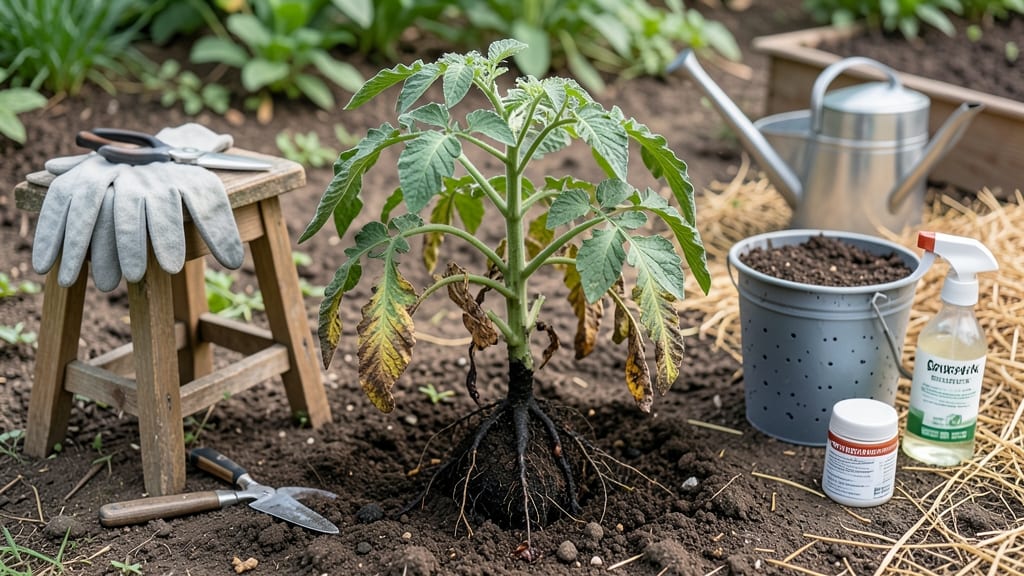
Your plants are wilting despite regular watering—how to fix root rot in the outdoor plants might be the solution you need. 🌱 I’ve nursed back more than a few struggling shrubs and perennials using these three-step fixes, and the key is acting fast before the roots turn to mush.
First, diagnose the problem: pull up the plant gently and check for black, mushy roots. Healthy roots should be firm and white or tan. If you’ve got rot, the fix starts with stopping all watering immediately—soggy soil is the enemy.
Then, trim away the mushy roots with clean shears, leaving only the firm ones attached. Next, repot the plant in fresh, well-draining soil mixed with perlite or sand to improve aeration.
Place it in a spot with partial shade for a few weeks while it recovers—direct sun stresses already weakened roots. Water lightly only when the top inch of soil feels dry. Prevention is easier than fixing: improve drainage, avoid overwatering, and mulch to regulate soil moisture.
Most plants bounce back with the right care, but if the roots are 80% rotten, it’s time to say goodbye and start fresh with a new plant.
Why it happens
Root rot isn’t just a random plant disaster—it’s a perfect storm of environmental and care-related factors that turn your soil into a suffocating, disease-friendly zone. Understanding why it happens is the first step to stopping it before it destroys your outdoor plants.
Let’s break down the key culprits and the science behind them.
🌧️ Overwatering: The #1 Silent Killer
Plants need water, but too much of a good thing is what causes root rot. When soil stays soggy for days (or weeks), oxygen gets squeezed out of the root zone.
Without oxygen, beneficial soil microbes can’t break down organic matter, and roots switch from aerobic (oxygen-dependent) to anaerobic (oxygen-starved) respiration. This process releases toxic byproducts like ethanol and lactic acid, which burn root tissues.
Science alert: Studies show that most plants can’t survive more than 48–72 hours in waterlogged conditions before root cells start dying. Even "drought-tolerant" plants like succulents or cacti will rot if their roots sit in wet soil for too long.
- Overwatering signs: Soil that stays clumpy, puddles for hours, or smells like wet socks.
- Common mistakes: Using a hose on a schedule (not checking soil moisture), planting in low-lying areas where water pools, or relying on "self-watering" setups without monitoring.
🚰 Poor Drainage: When Soil Becomes a Sponge
Not all soil is created equal—and some types are root rot magnets. Clay, compacted, or heavily amended soils (like those with too much peat moss or coconut coir) hold water like a sponge, preventing excess moisture from draining away.
Even well-draining soils can become problematic if they’re layered with hardpan (a dense, impermeable layer underground) or if roots grow into water-retaining mulch piles.
Key factors:
- Texture matters: Sandy soil drains fast but may not hold enough moisture for thirsty plants. Clay holds water but suffocates roots.
- Slope and placement: Planting in depressions or against foundations traps water near roots.
- Mulch depth: More than 2–3 inches of organic mulch (like wood chips) can act like a water trap, especially in humid climates.
Pro tip: 🌡️ Test your soil’s drainage by digging a hole, filling it with water, and timing how long it takes to drain. If it’s still wet after 6 hours, your soil is too dense.
🦠 Fungal and Bacterial Invaders: The Unseen Attackers
Root rot isn’t always caused by water—sometimes, it’s a microbe party gone wrong. Fungi like Phytophthora, Pythium, and Rhizoctonia thrive in wet conditions and consume living root tissue, while bacteria like Erwinia and Pseudomonas release enzymes that digest plant cells.
These pathogens are everywhere, but they only become dangerous when water stress weakens roots.
How they spread:
- Contaminated tools or soil: Using the same shovel for diseased plants or buying infected potting mix.
- Splashing water: Overhead irrigation (like sprinklers) can fling fungal spores onto leaves, which then travel to roots.
- Weakened plants: Stressed plants (from drought, poor nutrients, or pests) are easy targets for pathogens.
Visual clues: Roots that look mushy, black, or have white cottony growth (fungal mycelium) are classic signs of infection.
🌡️ Temperature and Humidity: The Perfect Rot Recipe
Hot, humid weather is a double whammy for root health. High temperatures speed up microbial activity, while stagnant air (common in dense mulch or thick foliage) traps moisture against roots. Ideal rot conditions: Soil temps above 75°F (24°C) + high humidity + poor airflow.
Seasonal risks:
- Spring/fall: Frequent rain + cooler temps slow evaporation, keeping soil wet longer.
- Summer: Intense heat causes plants to transpire (sweat) more, but if roots can’t keep up, they drown in their own water.
- Winter (in mild climates): Cold, wet soil reduces oxygen levels, even if it’s not "flooded."
Actionable fix: ✨ In hot climates, use reflective mulch (like silver plastic) to reduce soil temps by up to 10°F.
🌱 Planting Mistakes: Setting Roots Up to Fail
Even the hardiest plants can develop root rot if they’re planted in the wrong conditions. Common blunders include:
- Planting too deep: Burying the stem (not just the roots) cuts off oxygen and traps moisture.
- Using contaminated soil: Old garden soil, compost from diseased plants, or store-bought mixes with unsterilized peat can harbor pathogens.
- Ignoring root health at transplant: Damaged or circling roots (from pot-bound plants) heal poorly and rot faster.
Science
Fix Root Rot Fast: Step-by-Step Solutions
Root rot is a silent killer, but with the right actions, you can rescue your plants—even if they look hopeless. The key is acting fast and addressing the root cause. Below, we’ll break down solutions tailored to the most common triggers, plus prevention tips to keep your outdoor plants thriving.
If your plant is drowning in soggy soil, the first priority is cutting off excess moisture to prevent further damage.
💧 Drain the Soil Properly
- 🌧️ For container plants: Lift the pot and tip it sideways on a towel to let water drain out. Avoid shaking it—roots are fragile!
- 🏡 For in-ground plants: Dig a shallow trench around the base to redirect water away from the roots.
Use a garden hose on a gentle setting to flush out saturated soil. - ⏳ Pro Tip: If the soil is completely waterlogged, mix in coarse sand or perlite to improve drainage before replanting.
🚫 Halt Irrigation Temporarily
- 🌱 Wait until the top 1–2 inches of soil feel dry before watering again. Stick your finger in—if it’s damp, wait longer.
- 💡 Smart Tip: Upgrade to self-watering pots with drainage holes or use drip irrigation on a timer to avoid guesswork.
Once the soil is no longer waterlogged, it’s time to nurture recovery with targeted treatments.
🌿 Prune Damaged Roots (If Possible)
- ⚠️ Warning: Only attempt this if the plant is in a removable container.
Dig carefully and rinse roots in lukewarm water to remove excess soil. - 🔪 Trim black, mushy roots with sterilized scissors, leaving healthy white or light-brown roots intact. - 🌱 Replant in fresh, well-draining soil (see mix suggestions below).
💊 Use Fungal Treatments (For Fungal Root Rot)
If the rot is caused by Phytophthora or Pythium, these fungi need to be fought: - 💊 Apply hydrogen peroxide (3%) to the soil—mix 1 part peroxide to 10 parts water and water the plant lightly.
This oxygenates the roots and kills pathogens. - 🌿 Sprinkle cinnamon or copper fungicide around the base to prevent reinfection. - 💡 Pro Tip: Neem oil spray (1 tsp per quart of water) can also help—spray foliage and soil lightly.
🌱 Repot in Fresh, Aerated Soil
If the original soil is compacted or still holds too much moisture, repotting is essential.
- 🏺 Choose a pot with drainage holes (or drill them yourself).
- 🌱 Soil mix recipe for recovery:
- 50% potting soil (sterile, no garden dirt)
- 30% perlite or pumice (for aeration)
- 20% coconut coir or peat moss (for moisture retention without suffocation)
- 🌿 Add a handful of orchid bark for extra drainage if your plant loves humidity (like ferns or calatheas).
Prevention is the best cure. Once your plant is stable, modify its habitat to avoid future rot.
💧 Master the Watering Schedule
| Plant Type | Watering Frequency | Best Time to Water | Signs of Overwatering |
|---|---|---|---|
| Succulents/Cacti | Every 2–3 weeks | Morning (6–9 AM) | Yellowing leaves, mushy stems |
| Tropical Plants | Every 5–7 days | Evening (after sunset) | Drooping leaves, black roots |
| Vegetables | 1–2 times per week | Early morning | Wilting, foul-smelling soil |
| Shade-Loving Plants | Every 3–5 days | Late afternoon | Moldy soil, slow growth |
- 🌡️ Check humidity levels: If your area is consistently damp (like a basement or rainy climate), add a dehumidifier or improve airflow with a small fan.
- 🌿 Mulch wisely: Use straw or wood chips (not thick layers) to retain moisture without trapping it against the roots.
☀️ Optimize Sunlight & Airflow
- 🌞 Too much shade? Move plants to partial sun (4–6 hours of light) to encourage evaporation.
- 💨 Poor airflow? Space plants 6–12 inches apart and prune nearby foliage to let air circulate.
- 🌱 For container plants: Elevate pots on feet or saucers to prevent water pooling.
Once you’ve saved your plant, lock in its survival with these habits:
- 💡 Test your soil: Use a moisture meter ($10–$15) to avoid overwatering guesswork.
- 🌱 Choose the right pot: Terracotta dries faster than plastic—great for thirsty plants.
- 🚫 Avoid "wet feet": Never let pots sit in saucers of standing water.
- 🌿 Rotate plants every few months so all sides get sunlight (prevents uneven growth and water pooling).
- 🔄 Refresh soil annually: Replace old, compacted soil with fresh mix to prevent pathogen buildup.
🌟 Final Thought: Root rot is fixable—but speed is critical. The sooner you act, the better your plant’s chances. With these steps, you’ll not only revive wilting plants but also create a root-friendly environment they’ll thrive in for years!
Frequently asked questions
Can I save a plant with 50% rotten roots?
Yes, but it depends on the plant's resilience. For tough perennials like hostas or daylilies, trim away the mushy roots and repot in fresh, well-draining soil. For delicate plants (like ferns or calatheas), the survival rate drops significantly—expect 50% success at best. Always sterilize your tools and use a fungicide like hydrogen peroxide (3%) to prevent reinfection.
How do I know if my plant has root rot or just needs water?
Check the roots first! Healthy roots are firm and white/tan, while rotten ones are black, mushy, and smell foul. If the plant wilts but the roots look healthy, it’s likely thirsty. If roots are soft or slimy, it’s root rot—act fast by stopping water and improving drainage. A quick test: Gently tug the plant—if it pulls out easily, roots are compromised.
Will hydrogen peroxide really kill fungal root rot?
Diluted 3% hydrogen peroxide (1 part peroxide to 10 parts water) oxygenates the roots and kills 90% of fungal pathogens like Pythium. Just spray or water the soil lightly—don’t soak it, or you’ll reverse your progress. Repeat every 3–5 days until new growth appears. For stubborn cases, combine it with cinnamon or copper fungicide for extra protection.
Can I use coffee grounds to treat root rot?
Coffee grounds alone won’t fix root rot, but they can help prevent it long-term. The caffeine is mildly antifungal, and the gritty texture improves drainage when mixed into soil. For active rot, focus on drainage fixes first. Once the plant recovers, amend the soil with 10% coffee grounds (by volume) mixed with perlite to balance moisture retention and aeration.
How long does it take for a plant to recover from root rot?
Recovery time varies by plant and severity. Mild cases show improvement in 2–4 weeks with proper care, while severe rot may take 6–8 weeks or longer. Monitor for new leaf growth—this is your best sign of progress. Avoid fertilizing during recovery (roots need to heal first), and keep the soil lightly moist but never soggy. Patience is key!