
Container Gardens
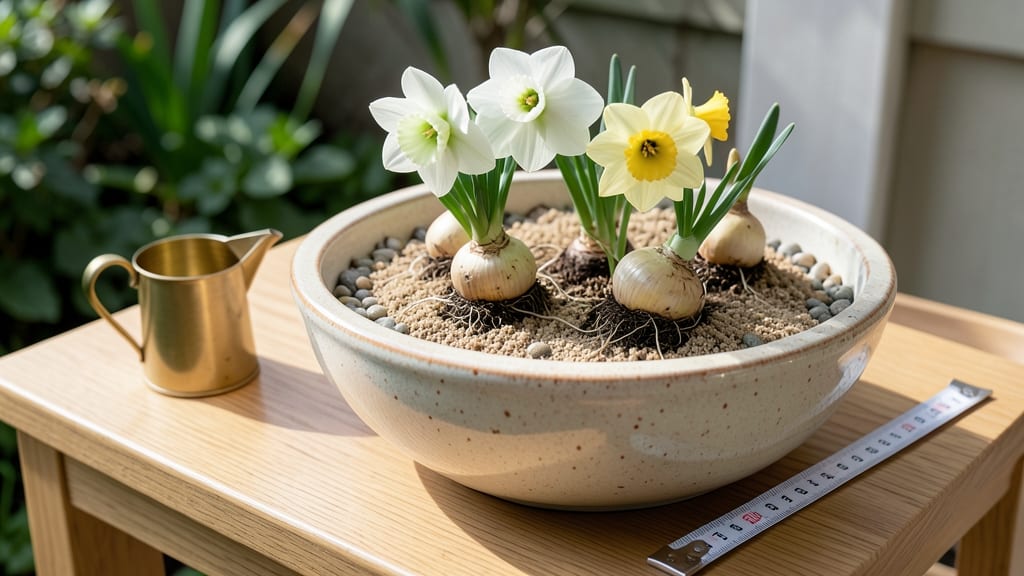
Forcing daffodil bulbs indoors guarantees those cheerful yellow blooms by Valentine’s Day—no waiting for spring. 🌼 I’ve turned my darkest winter months into a parade of color by following a few key steps that turn ordinary bulbs into showstopping centerpieces.
The secret isn’t complicated: it’s about mimicking nature’s timing with the right chilling, warmth, and light cues. You’ll need just three things: paperwhite daffodil bulbs (the best for forcing), a shallow container (like a bowl or vase), and well-draining potting mix—no fancy equipment required.
The process takes about 6 weeks total, with most of that time spent in a cool, dark spot before the blooms emerge. Even my first attempt worked, and now I force bulbs every year without fail.
What you end up with is a vibrant display of trumpet-shaped flowers that smell like sunshine, brightening any room. The bulbs themselves stay viable for years, so you’re not just buying flowers—you’re investing in a reusable, low-cost way to bring spring indoors. The payoff?
A tabletop garden that makes guests do a double-take. Here’s the best part: this method works for any indoor space, from sunny kitchens to dim living rooms. The only real trick is patience—those first green shoots feel like magic after weeks of dormancy. Let’s get those bulbs blooming!
📚 In This Guide
- What you need
- Instructions
- Tips and common mistakes
- Wrapping up and next steps
What you need
- ● Daffodil bulbs: 3–5 medium-sized bulbs (6–8 cm / 2.5–3 inches in diameter). Choose Narcissus varieties like 'Ice Follies' or 'Tête-à-Tête' for best results.
- ● Well-draining potting mix: 1–2 gallons of a lightweight blend (e.g., 50% peat moss, 30% perlite, 20% sand or vermiculite). Avoid heavy garden soil!
- ● Container: A shallow pot (6–8 inches deep) with drainage holes. A terracotta or ceramic pot works best—just ensure it’s not too large (bulbs need snug quarters).
- ● Pebbles or gravel: A handful (½ cup) for drainage at the container’s base.
- ● Watering can or spray bottle: For gentle hydration—no soaking!
- ● Cooling environment: A dark, cool space (35–45°F / 2–7°C) like a garage, basement, or refrigerator (with good airflow).
- ● Decorative moss or mulch: To mask the soil and add a polished look.
- ● Grow lights: If natural light is limited (12–14 hours/day after chilling).
- ● Fertilizer: A balanced liquid fertilizer (5-10-5) diluted to half-strength for post-chilling growth.
- ● Humidity tray: A shallow tray with pebbles and water to boost moisture if your home is dry.
Step-by-step instructions for forcing daffodil bulbs indoors
Here's how I've mastered forcing daffodils indoors—reliable blooms every winter, no greenhouse needed.
🌱 Step 1: Select and Prepare Healthy Bulbs
Choose firm, plump paperwhite or jonquil daffodil bulbs (avoid soft or moldy ones). I prefer bulbs labeled "forcing" as they're bred for indoor growth. Place them in a shallow container with 3-4 inches of pebbles or sand—this ensures proper drainage while keeping the bulbs elevated.
Arrange bulbs with their necks above the pebbles and bases resting on the drainage layer. Don't bury them—just nestle them gently. This positioning mimics their natural chilling period while preventing rot. If using a decorative pot, select one with drainage holes to avoid waterlogging.
⏰ Step 2: Cold Stratify for 10-12 Weeks
Place the container in a dark, cold location (35-45°F) for 10-12 weeks. A garage, unheated basement, or even a refrigerator works. This chilling period mimics winter and triggers blooming. I store mine in a cardboard box with a lid to block light completely.
Check occasionally—bulbs should feel firm, not shriveled. If they soften, they've either rotted or dried out. After 12 weeks, you'll see green shoots emerging—this is your cue to move them to warmer conditions. Don't rush this step; insufficient chilling delays or prevents flowering.
☀️ Step 3: Move to Warm Light for Sprouting
Transfer the container to a bright, warm spot (60-65°F) with indirect light. A north-facing windowsill or under grow lights works best. Avoid direct sun, which scorches tender shoots. You'll see rapid growth—roots first, then green stems within 2-3 weeks.
Water lightly when the top inch of pebbles feels dry. Too much moisture rots bulbs; too little stunts growth. If stems lean toward the light, rotate the container daily. Once 3-4 inches of stem appear, move to a cooler room (55-60°F) to encourage bud formation.
🪴 Step 4: Encourage Blooming with Controlled Conditions
When stems reach 6-8 inches tall, place the container in a bright, cool room (55-60°F) with 12-14 hours of light daily. This mimics spring and triggers blooming. A sunny windowsill or under fluorescent lights works. You'll notice buds form within 1-2 weeks—this is the payoff after all that patience!
Water sparingly—just enough to keep pebbles slightly moist. Overwatering now causes buds to drop. If leaves yellow, reduce water slightly. Once buds open fully, enjoy your blooms! They'll last 1-2 weeks indoors, but the real magic is watching them emerge.
✂️ Step 5: Post-Bloom Care and Disposal
After blooming, allow foliage to yellow naturally—this recharges the bulb for next year. Place the container back in a bright, warm spot (65-70°F) and water lightly until leaves brown completely (6-8 weeks). Then, discard bulbs—they've expended all their energy and won't rebloom.
For next year, repeat the process with fresh bulbs. I like to force a new batch every 6 weeks for continuous winter color. The key is consistency—chilling, light, and patience. Skip any step, and you'll miss the show!
Tips & tricks for perfect indoor daffodil forcing
Here's what nobody tells you about getting those show-stopping blooms indoors.
Chilling Precision: The 10-12 week cold period at 35-45°F is non-negotiable—this mimics winter dormancy that triggers blooming. I use a refrigerator set to 38°F for consistent results. If your space fluctuates, add a thermometer to monitor temperatures. Bulbs need this exact chilling to develop flower buds, so don't skip it!
Light Strategy: During the warm sprouting phase (60-65°F), position your container near a north-facing window or under grow lights. Direct sunlight causes scorching, while insufficient light leads to leggy, weak stems. I rotate my container daily to prevent leaning—this ensures even growth and stronger stems that support those beautiful blooms.
Watering Wisdom: The pebble method isn't just decorative—it creates an airy environment that prevents rot. Water only when the top inch feels dry, and never let bulbs sit in standing water. Overwatering at any stage causes rot, while underwatering stunts growth. I use a spray bottle for gentle moisture during the chilling phase to keep pebbles just damp.
Post-Bloom Secret: After blooming, don't discard those yellowing leaves! Let them photosynthesize for 6-8 weeks to recharge the bulb's energy stores. This might seem counterintuitive, but it's how you get the most out of your investment before discarding. I place mine back under grow lights during this phase to maximize nutrient absorption.
Pro Tips for Force Daffodil Bulbs Indoors
- Here's what nobody tells you about getting those show-stopping blooms indoors.
- Chilling Precision: The 10-12 week cold period at 35-45°F is non-negotiable—this mimics winter dormancy that triggers blooming.
- Light Strategy: During the warm sprouting phase (60-65°F), position your container near a north-facing window or under grow lights.
Frequently asked questions
about forcing daffodil bulbs indoors—because every gardener deserves a little clarity!Can I force daffodil bulbs from any grocery store or garden center?
Not all bulbs are ideal! Look for paperwhite narcissus (Narcissus papyraceus) or Jonquil varieties—they’re bred for forcing. Avoid hybrid daffodils (like trumpet daffodils) since they may not rebloom well. Check labels for "pre-cooled" or "forcing" bulbs to skip the chilling step.
How long does it take for daffodils to bloom indoors?
With patience (and the right conditions), you’ll see buds in 6–8 weeks! The chilling phase (4–6 weeks) is critical—rush it, and you’ll delay blooms. Once in warmth, expect flowers in 2–3 weeks. Track progress with a calendar to stay on schedule!
What if my bulbs rot or mold during forcing?
This usually means overwatering or poor drainage. If you spot mushy bulbs or fuzzy mold:
- Stop watering immediately.
- Remove affected bulbs to prevent spread.
- Repot healthy bulbs in fresh, dry potting mix.
- Use a shallow container next time to avoid soggy soil.
Can I force daffodils in water instead of soil?
Yes! Place bulbs in a vase with 1 inch of water, covering their bases (but not tops). Change water weekly and keep in a cool, dark spot. They’ll bloom faster but may not last as long as soil-grown bulbs. For longer enjoyment, soil forcing is best.
Will my forced daffodils rebloom next year?
Probably not! Forcing weakens bulbs—they’re one-and-done for indoor blooms. After flowering, let foliage die back naturally, then plant bulbs outdoors in fall for future seasons. Save a few bulbs for next year’s indoor show!
Bonus Tip: What’s the secret to the longest-lasting blooms?
Keep your forced daffodils in a cool room (60–65°F) and away from direct sunlight. Trim stems at an angle for vases, and change water every 2–3 days. A little TLC = 2+ weeks of color!
Wrapping up and next steps
Forcing daffodil bulbs indoors is a rewarding way to bring early spring cheer into your home—no green thumb required! 🌼 With just a few simple steps, you’ll enjoy vibrant blooms in just six weeks, perfect for brightening up dark winter days.
Start by gathering your supplies, follow the chilling and planting process carefully, and soon, you’ll have a stunning centerpiece that smells as sweet as it looks.
Now that you’re ready to dive in, pick your favorite daffodil bulbs and get started! Whether you’re gifting them or treating yourself, the joy of watching them bloom is priceless. Happy forcing! 🌱✨