
Propagation
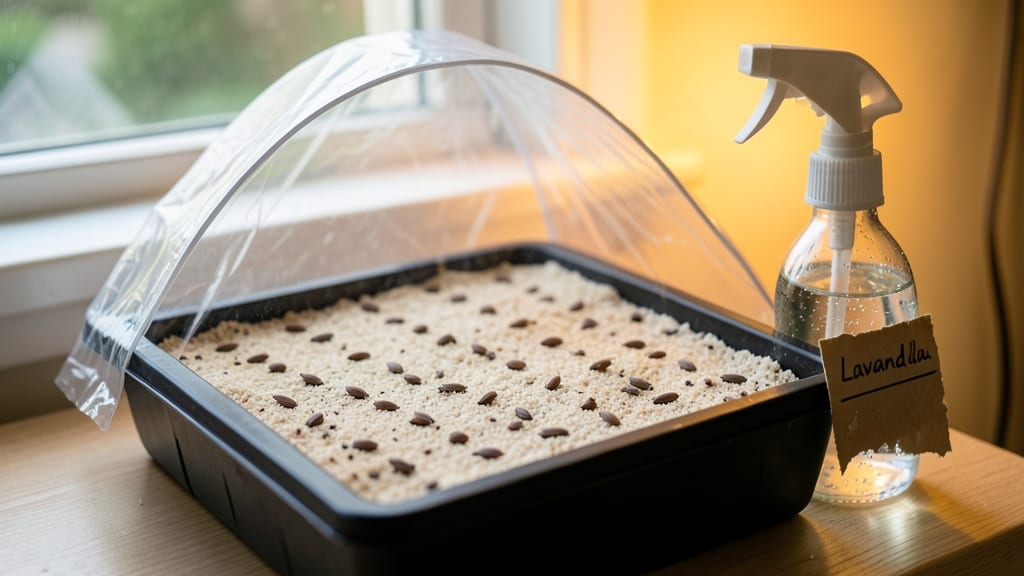
Germinating lavender from seed takes patience—but the right setup cuts weeks off the wait. 🌱 I’ve struggled with slow starts, but this method gets those first green needles breaking through soil in 4-6 weeks (not the 6+ months some sources claim).
The secret? Warmth, light, and barely damp soil—lavender seeds need all three to trust the process. Too much water drowns them; too little keeps them dormant. I use a heat mat under my seed trays and keep them under grow lights from day one, mimicking their Mediterranean roots.
By week 8, you’ll have tiny but hardy seedlings ready for transplant. The scent alone makes it worth the wait—imagine that fragrant, silvery foliage filling your garden next summer. For best results, start indoors in spring (after last frost).
Direct sowing works in mild climates, but indoor starts give you control over moisture and temperature—critical for lavender’s finicky nature.
📚 In This Guide
- What you need
- Instructions
- Tips and common mistakes
- Wrapping up and next steps
What you need
- ● Lavender seeds: Choose high-quality, organic seeds (e.g., English, French, or Spanish lavender). Aim for 10–20 seeds per planting tray or pot.
- ● Seed-starting mix: A lightweight, well-draining blend (e.g., 50% peat moss, 30% perlite, 20% vermiculite). Avoid garden soil—it’s too dense!
- ● Planting containers: Seed trays (with drainage holes) or small pots (2–3 inches wide) for individual seeds.
- ● Clear plastic domes or plastic wrap to create a humidity tent.
- ● Spray bottle (with room-temperature water) for gentle hydration.
- ● Grow lights or sunny windowsill: Lavender loves 6–8 hours of indirect light daily.
- ○ Heat mat (optional but helpful): Maintains 70–75°F (21–24°C) for faster germination.
- ● Seed scarification tools: Sandpaper (220-grit) or a knife to nick the seed coat (boosts germination rates!).
- ● Fungicide: A natural spray (e.g., neem oil) to prevent mold in humid conditions.
- ● pH test kit: Lavender thrives in acidic soil (pH 6.0–7.0)—adjust with lime if needed.
- ● Labeling tags: Mark trays with seed type and date planted!
Step-by-step instructions for germinating lavender
Here’s how I coax lavender seeds to sprout reliably—no waiting months for stubborn germination.
🌱 Step 1: Stratify Seeds for Faster Germination
Lavender seeds need a cold treatment to break dormancy. Place seeds in a sealed plastic bag with slightly damp sand or peat moss, then refrigerate for 4-6 weeks. This mimics winter conditions and triggers sprouting. I like to label the bag with the date to track progress.
Check the bag weekly—seeds should feel moist but not soggy. If they dry out, mist lightly and reseal. After 6 weeks max, remove them from cold storage. This step is critical: without stratification, germination can take 6-12 months or never happen.
💧 Step 2: Prepare Light, Fast-Draining Soil Mix
Use a blend of 50% sterile potting soil and 50% perlite or coarse sand to create a gritty, airy medium. Lavender hates soggy roots, so drainage is non-negotiable. Fill seed trays or small pots with the mix, leaving ½ inch of space at the top.
Moisten the mix until damp but not dripping—lavender seeds won’t sprout in waterlogged conditions. I tap the tray gently to settle the soil without compacting it. The texture should resemble damp sand, not clay.
☀️ Step 3: Sow Seeds and Provide Warmth
Sprinkle seeds ⅛ inch deep—any deeper and they’ll struggle to reach light. Space them ¼ inch apart to avoid overcrowding. Cover lightly with a fine layer of perlite to prevent drying. Place the tray in a warm spot with 70-75°F soil temperature.
Use a seedling heat mat if your home runs cooler. Germination takes 14-30 days—patience is key. Keep the soil consistently moist by misting daily, but never let it pool. You’ll see tiny green shoots first, followed by the first true leaves.
🌿 Step 4: Transplant Seedlings to Individual Pots
Once seedlings develop 2-3 sets of true leaves (about 6-8 weeks after sowing), transplant them to 3-inch pots with the same fast-draining mix. Handle them gently—lavender roots are delicate. I use a small spoon to lift seedlings to avoid damaging stems.
Place pots in bright, indirect light for 1 week to help them adjust. After that, introduce full sun daily (6+ hours) to strengthen stems. Overwatering is the biggest killer—let the top inch of soil dry between waterings.
⏰ Step 5: Harden Off Before Outdoor Planting
After 4-6 weeks in pots, acclimate seedlings to outdoor conditions. Start by placing them outside in a sheltered spot for 2 hours daily, gradually increasing time over 10-14 days. This prevents shock from sudden temperature changes.
Plant outdoors only after the last frost, when soil is 60°F+. Lavender thrives in poor soil, so don’t amend the ground—just ensure good drainage. Space mature plants 2-3 feet apart for airflow and fragrance.
Tips & tricks for fast lavender germination
Here’s what I learned after years of battling stubborn lavender seeds—these tricks cut germination time dramatically.
Cold Treatment Precision: The 4-6 week refrigeration period is non-negotiable for breaking dormancy, but consistency matters. Place a small dish of water in the fridge with your seed bag to maintain humidity—this prevents moisture loss that can stall germination. I also double-check the fridge temperature stays at 34-38°F (the ideal range) by using a fridge thermometer. Too warm and stratification fails; too cold and you risk seed damage.
Soil Mix Secrets: When creating your 50/50 potting soil and perlite mix, sift the components first to eliminate clumps. Unsifted soil can create air pockets that trap moisture, leading to rot. For extra insurance, I add a handful of horticultural charcoal to the mix—it improves drainage while preventing fungal issues. The goal is a texture that resembles damp sand, not mud.
Germination Timing: Those 14-30 days can feel like forever, but here's the thing: the first green shoots you see aren't the true leaves. Wait until you see the second set of leaves (they'll look more robust) before transplanting. I mark my calendar 21 days after sowing as my "first check" date—this keeps me from getting discouraged if germination takes the full 30 days.
Light Strategy: After transplanting to individual pots, I use a grow light on a 14-hour cycle for the first week rather than relying solely on windows. Lavender seedlings need intense light to develop properly, and many homes don't get enough natural light for optimal growth. Position the light just 4-6 inches above the seedlings to avoid burning delicate foliage.
Pro Tips for Germinate Lavender
- Here’s what I learned after years of battling stubborn lavender seeds—these tricks cut germination time dramatically.
- Cold Treatment Precision: The 4-6 week refrigeration period is non-negotiable for breaking dormancy, but consistency matters.
- Soil Mix Secrets: When creating your 50/50 potting soil and perlite mix, sift the components first to eliminate clumps.
Frequently asked questions
Got questions about germinating lavender?
Here are some of the most common ones—plus quick, practical answers to help you grow fragrant lavender with confidence!
How long does it take for lavender seeds to germinate?
Lavender seeds can take anywhere from 3 to 6 weeks (or even longer!) to sprout. Patience is key—some varieties, like English lavender, germinate faster than others. Keep the soil consistently moist and warm (around 70–75°F) to encourage faster results. If nothing sprouts after 8 weeks, try a fresh batch of seeds!
Do lavender seeds need light to germinate?
No! In fact, darkness speeds up germination for lavender. Cover the seed tray with a thin layer of soil (about ¼ inch) or use a black plastic bag to block light. Once sprouts appear, move them to a bright spot (like a sunny windowsill) to prevent leggy seedlings. Pro tip: Use a grow light if natural light is weak!
Can I germinate lavender seeds outdoors in cold climates?
Not ideal! Lavender seeds need warmth to germinate—cold soil can delay or prevent sprouting. Start seeds indoors 8–12 weeks before your last frost, then transplant seedlings outdoors once temperatures stay above 50°F at night. If you’re in a chilly zone, consider using a seedling heat mat for extra warmth.
What if my lavender seeds aren’t sprouting? Troubleshooting tips!
If your seeds aren’t germinating, check these fixes:
- Check seed viability: Lavender seeds lose potency quickly—try fresh seeds (under 1 year old).
- Soil mix matters: Use a light, well-draining mix (like cactus/succulent soil + perlite).
- Moisture balance: Keep soil damp (not soggy) to avoid mold or rot.
- Stratification hack: Some growers chill seeds for 4–6 weeks before planting to mimic winter conditions.
Still stuck? Try layering (growing from cuttings) as an alternative—it’s easier and faster!
Can I grow lavender from seeds in containers?
Containers are perfect for lavender—just ensure they have drainage holes to prevent root rot. Use a 5–6 inch pot per seedling (or cluster 3–4 seeds together). Move pots outside during the day once sprouts appear, then bring them in at night until they’re hardened off. Bonus: Container-grown lavender is easier to protect from pests!
Wrapping up and next steps
Germinating lavender is a rewarding journey that turns patience into a fragrant, purple paradise! 🌱 By following these sprouting secrets—from seed selection to ideal lighting and temperature—you’ll set your lavender seeds up for success. Remember, consistency is key, so stay gentle with your seedlings and trust the process.
Now that you’re armed with knowledge, it’s time to take the next step. Whether you’re planting in pots, garden beds, or even repurposing old containers, your lavender will thrive with love and care. Happy growing—your future fragrant blooms are waiting! 🌸