
Propagation
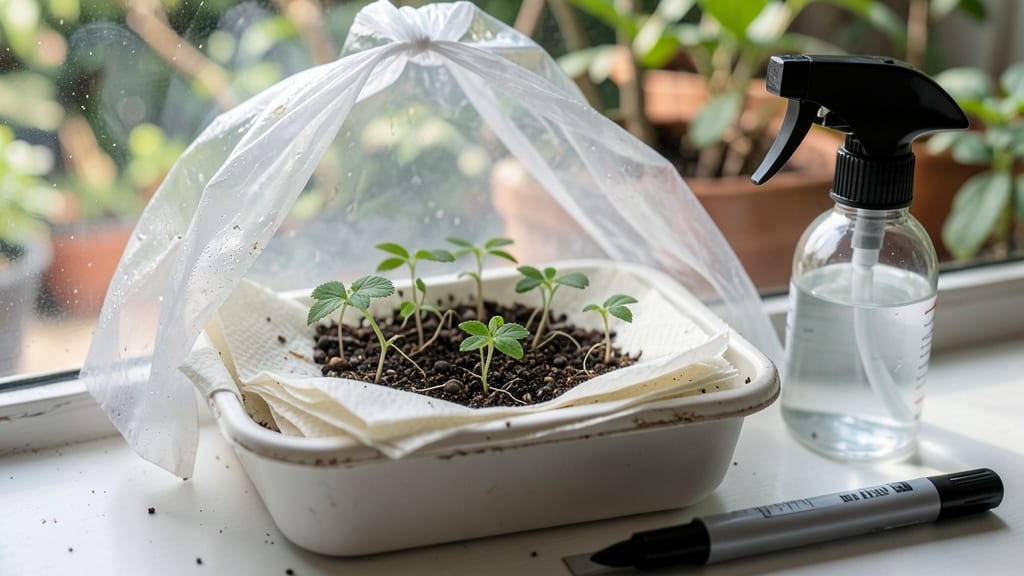
Germinating rose seeds in a paper towel feels like magic—tiny seeds turning into green shoots in just 7-14 days. 🌱 I’ve tested this method with heirloom roses, and it’s the fastest way to get seedlings without buying expensive cuttings. The secret?
Keeping seeds moist, warm, and patient while they break dormancy. You’ll need just a few supplies: paper towels, plastic bags, a spray bottle, and a warm spot (like on top of your fridge). No fancy equipment—just what you already have at home.
The key is maintaining consistent moisture without drowning the seeds, which is where most people mess up. Once those first green sprouts appear, you’ll know you’re on the right track. The transition to soil is gentle, and with proper light, your seedlings will grow into sturdy plants ready for planting.
This method works best with fresh, plump seeds from hybrid teas or floribundas—store-bought roses often don’t germinate as well. Fair warning: not every seed will sprout, but when they do, you’ll have a head start on growing roses that are uniquely yours.
Here’s how to do it right the first time!
📚 In This Guide
- What you need
- Instructions
- Tips and common mistakes
- Wrapping up and next steps
What you need
- ● Fresh rose seeds – Collect from ripe rose hips (or buy high-quality seeds). Aim for 5-10 seeds per batch to maximize success.
- ● Paper towels – Use 2-3 unbleached, seedling-safe paper towels per batch (avoid colored or scented towels).
- ● Plastic zip-top bags – 1-2 quart-sized bags (or reusable containers with lids). Ensure they’re clean and free of punctures.
- ● Spray bottle – A 16-oz misting bottle with a fine spray nozzle (like those for seedlings).
- ● Distilled or filtered water – Room-temperature, chlorine-free (tap water can inhibit germination).
- ● Small plates or shallow containers – 2-3 shallow dishes (like plastic lids or ceramic saucers) to hold the paper towels.
- ○ Permanent marker – To label your seeds by date and variety (optional but helpful!).
- ● Rooting hormone – A gel or powder (like Clonex) to boost early growth (dip seeds lightly before planting).
- ● Heating mat – A seedling heat mat (set to 75-85°F) to speed up germination (especially in cool climates).
- ● Grow lights – A small LED grow bulb (12-16 hours/day) for post-germination light exposure.
- ● Notebook or app – To track moisture levels, temperature, and sprouting dates (like a seed journal!).
- ● Aluminum foil – To create a mini greenhouse effect by loosely covering the bag (if humidity drops).
Step-by-step instructions for germinating rose seeds in paper towels
Here's how to coax those stubborn rose seeds to sprout in just days—not months—using a simple paper towel method.
🌱 Step 1: Prepare Seeds for Faster Germination
Start by soaking your rose seeds in lukewarm water for 12-24 hours. This softens the hard outer coating and kickstarts the germination process. I like to use a small bowl or jar, just enough water to fully submerge the seeds. You'll see them plump up slightly—this is your first sign they're ready.
After soaking, drain the water and place the seeds between two dampened paper towels. Fold the towels to create a sandwich, ensuring the seeds are evenly spaced. The towels should feel damp but not dripping wet—think of a wrung-out sponge. This setup keeps moisture consistent while allowing airflow, which prevents mold.
💧 Step 2: Create a Humid, Warm Germination Environment
Seal the paper towel "sandwich" in a plastic bag or airtight container. Place it in a warm spot—ideally between 70-80°F. A seedling heat mat works wonders if you have one, but even a sunny windowsill or atop your fridge will do in a pinch. The warmth mimics spring soil conditions and speeds up sprouting.
Check the towels every 2-3 days—they should stay moist but not soggy. If they dry out, mist lightly with water and reseal. You'll know you've got the moisture right when condensation forms on the bag's interior but doesn't pool. This is the sweet spot for fast germination.
⏰ Step 3: Monitor for Sprouts and Prepare for Transplant
Within 7-14 days, you'll spot tiny white roots breaking through the paper towel—this is your cue to act fast. Once roots reach about ½ inch long, gently unfold the towel and separate the seeds. You'll see the seed itself attached to a delicate root; this is the moment to handle them with care.
Plant each seedling ¼ inch deep in a small pot filled with sterile seed-starting mix. Press the soil lightly around the roots to secure them, but don't pack it down. Place the pot in bright, indirect light (no direct sun yet—those seedlings are still fragile). Water gently from the bottom to avoid disturbing the roots, and keep the soil consistently moist until true leaves appear.
☀️ Step 4: Transition to Light and Nurture Young Seedlings
After 7-10 days in the pot, your seedlings will show their first true leaves (the second set after the initial cotyledons). This is when you can introduce them to bright, indirect light for 12-14 hours daily. A grow light is ideal, but a south-facing window works if you rotate the pots daily to prevent leaning.
Watch for leggy growth—a sign of insufficient light. If stems stretch thin and pale, move the light closer (within 2-3 inches) or increase light exposure. Strong seedlings will have thick stems and dark green leaves. Once they've developed 3-4 true leaves, they're ready for their first pinch—snip the top set of leaves to encourage bushier growth.
Tips & tricks for perfect rose seed germination
Here's what I learned after struggling with slow germination—these tricks will help you skip the waiting game and get those rose sprouts popping in record time.
Soaking Secret: The 12-24 hour soak is your first chance to set the stage for success. I've found that using filtered water (instead of tap) prevents chlorine buildup that can inhibit germination. After soaking, give the seeds a quick rinse—this removes any water-soluble inhibitors that might still be clinging to their tough outer shells.
Temperature Matters: That 70-80°F range isn't just a suggestion—it's the sweet spot for rose seeds. If your home runs cooler, place your germination setup on top of your fridge (not inside—too cold!) or use a seedling heat mat. Pro tip: Wrap the container in a thin towel to create a microclimate that holds warmth better. I've seen germination times cut in half just by maintaining this perfect temperature range consistently.
Paper Towel Pro Tip: Don't just use any paper towels—opt for the thickest, most absorbent brand you can find. The extra thickness holds moisture better without becoming soggy. When folding your "sandwich," leave a tiny gap at one corner to create a little air pocket. This prevents mold from forming while still keeping humidity high enough for sprouting.
Transplant Timing: Those 7-14 days can feel like an eternity, but don't rush the transplant! Wait until roots reach at least ½ inch—you'll know they're ready when they're thick enough to handle gently without breaking. I like to transplant in the morning so the seedlings have the whole day to recover from the shock of moving. Water from the bottom immediately after planting to encourage root growth downward into the soil.
Pro Tips for Germinate Rose Seeds In Paper Towel
- Here's what I learned after struggling with slow germination—these tricks will help you skip the waiting game and get those rose sprouts popping in record time.
- Soaking Secret: The 12-24 hour soak is your first chance to set the stage for success.
- Temperature Matters: That 70-80°F range isn't just a suggestion—it's the sweet spot for rose seeds.
Frequently asked questions
Got questions about germinating rose seeds in paper towels? You’re not alone—this method is simple but has a few quirks! Here are the answers to the most common queries to help you avoid pitfalls and boost your success rate.
How long does it take for rose seeds to sprout in a paper towel?
Most rose seeds sprout within 2 to 4 weeks when kept in warm, moist conditions. Some varieties (like hybrid teas) may take up to 6 weeks. Patience is key—don’t disturb the setup or you’ll risk drying out the seeds. If nothing emerges after 8 weeks, the seeds may not be viable.
Why aren’t my rose seeds sprouting? Troubleshooting tips.
No sprouts yet? Check these common issues:
- Too cold: Keep seeds in a warm spot (70–80°F). A seedling heat mat or sunny windowsill helps.
- Not moist enough: Mist the paper towel daily—it should stay damp, not soggy.
- Old or low-quality seeds: Fresh seeds (from hips or purchased) germinate better. Store-bought seeds often have higher success rates.
- Lack of light: Once sprouted, move seedlings to indirect light to prevent legginess.
Can I reuse the paper towel method for other seeds?
This technique works for many small seeds, including:
- Lavender
- Snapdragons
- Petunias
- Some herbs (like basil or dill)
Should I plant the sprouted seeds directly into soil?
Not yet! Once the seedling has 2–3 true leaves (not just the initial seed leaves), it’s ready for transplanting. Gently transfer it to a small pot with well-draining soil, burying the stem up to the first leaves. Keep the soil moist and place it in bright, indirect light to avoid shock.
Is this method cheaper than buying seedlings?
Yes—if you collect seeds from existing roses (like hips) or buy them in bulk, this method can save money. However, store-bought rose seeds often have higher germination rates than wild-collected ones. For rare varieties, buying seedlings might still be cost-effective. Think of this as a fun, budget-friendly experiment!
What if mold grows on the paper towel?
Mold is a red flag—it means the towel is too wet or the seeds are in poor conditions. Immediately:
- Discard the moldy towel and seeds.
- Wash your container with soap and water.
- Use a fresh, sterile paper towel and reduce misting.
- Consider adding a fungicide (like hydrogen peroxide, 3% solution) to the water if mold recurs.
Wrapping up and next steps
Germinating rose seeds in a paper towel is a simple, cost-effective way to kickstart your gardening journey with a 90% success rate—and you don’t need a green thumb to make it work! 🌱 By following these steps, you’ll give your seeds the perfect environment to sprout faster and stronger, setting you up for healthy seedlings ready to transplant.
Now that you’re armed with the know-how, why not try it today? Once your little sprouts peek through, it’s time to transplant them into soil and watch your garden bloom with homegrown roses!