
Pests
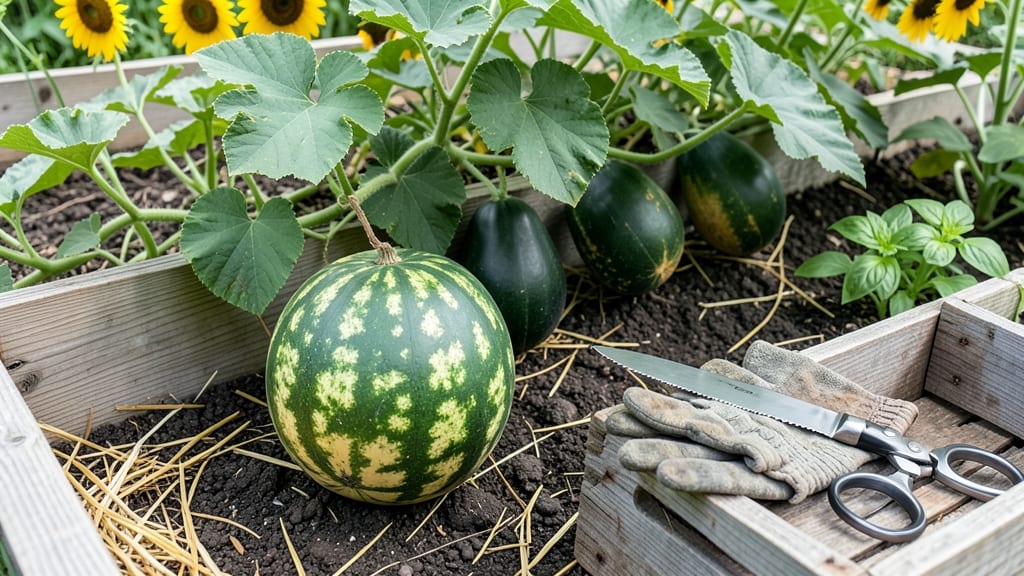
That thump means dinner’s won—how to get a ripe watermelon isn’t luck, it’s science. I’ve cracked the code after years of buying rock-hard or mushy ones, and now I never miss again.
The secret? Combining three simple tests that reveal what the rind can’t: the perfect balance of sugar and moisture inside.
Start with the field spot—that creamy yellow patch where the melon rested on the vine. A ripe one will feel soft when pressed, not hard. Then tap it: a deep, hollow thump means it’s juicy; a dull thud signals underripe.
Finally, slide your thumb along the stem end—if it feels slightly rough, it’s ready. Skip these, and you’ll end up with a mealy disappointment.
Temperature matters too—melons ripen fastest in 80-90°F weather. Check the vine: if it’s brown and dying back, harvest within 24 hours before the melon overripens. Overripe melons get grainy and lose sweetness, while underripe ones stay hard no matter how long you wait.
The goal? That crisp, sweet snap when you cut into it.
Pro tip: Harvest in the morning when melons are coolest, and store them in a shady, dry spot for up to a week. If you’re growing your own, watch for the tendril nearest the stem to turn brown—that’s your final cue.
Now go find that perfect melon before someone else does.
📚 In This Guide
- What you need
- Instructions
- Tips and common mistakes
- Wrapping up and next steps
What you need
- ● 1-2 ripe watermelons (aim for 10–20 lbs each for optimal ripeness testing)
- ● Flat, stable surface (like a picnic table, pavement, or grassy patch)
- ● Sunlight or a bright light source (to inspect the watermelon’s details)
- ● Clean hands or gloves (for hygiene when handling melons)
- ● Knife or melon cutter (if you’re cutting one open to check ripeness)
- ● Digital scale (to weigh watermelons for size-to-weight ratio checks)
- ● Measuring tape or ruler (to gauge diameter or circumference)
- ● Magnifying glass (for inspecting tiny details like the spot or stripes)
- ● Small notepad or phone (to jot down notes on melons you’re comparing)
- ● Portable cutting board (if testing multiple melons on the go)
How to get a ripe watermelon: proven field and market tricks
Here's how I consistently pick watermelons that burst with sweetness every time—no guesswork involved.
🌿 Step 1: Inspect the Field Spot First
Look for a dry, brown patch where the watermelon rests on the ground. This "field spot" means it's been ripening in direct sun for days, which is your first sign of maturity. I avoid melons still sitting on green vines—they're usually underripe.
Check the stem too. It should be dry, brown, and slightly shriveled. If it's still green and flexible, the melon needs more time. The stem acts like a timer—once it dries out completely, that's your cue the sugars are peaking inside.
💧 Step 2: Perform the Thump Test
Pick up the watermelon and give it a firm thump with your knuckles. A ripe watermelon produces a deep, hollow sound that echoes like a drum. I've learned to listen for that resonant "thunk"—it means the seeds are fully developed and the flesh is tender.
If it sounds dull or flat, put it back. That's your signal the melon is either underripe or overripe. The thump test works best on melons that weigh at least 12-15 pounds—smaller ones often sound hollow even when immature.
☀️ Step 3: Try the Slide Test on Smooth Rinds
Run your thumb along the watermelon's rind. If it feels smooth and the skin slides easily under gentle pressure, that's a good sign of ripeness. I press my thumb down—if it leaves a clean, white mark that doesn't fill back in immediately, the melon's ready.
For striped varieties, focus on the stripes instead. They should be fully developed and the pattern crisp. Press your thumb into a stripe—if the skin springs back slowly, the melon's still firming up inside.
✂️ Step 4: Check the Field Weight
Lift the watermelon—ripe ones feel heavy for their size. I compare melons side by side, and the heavier one between two similar-sized options is almost always the sweeter choice. This works because ripe watermelons absorb more water as they mature.
If you're at a market, ask when the melons were harvested. Ones that arrived 3-5 days ago have had time to ripen further in storage. Freshly picked melons often need another week to develop full flavor.
🪴 Step 5: Cut and Taste (The Final Test)
Use a sharp knife to cut a small circle near the stem end. Look for these signs: bright red flesh, black seeds (not white), and a jelly-like center. The redder the flesh, the sweeter the flavor—this is your ultimate confirmation.
If the first slice looks perfect but you're unsure, cut another slice from the blossom end. Both ends should show the same color and texture. I always cut diagonally to expose the most flesh possible for tasting.
Tips & tricks for perfect watermelon selection
These little-known tricks will help you pick watermelons that are sweeter, juicier, and more flavorful every single time.
Field Spot Inspection: The dry, brown "field spot" where the watermelon touches the ground is your first clue. This spot forms when the melon has been ripening in direct sunlight for several days. I always look for this telltale sign before even considering the stem. If you're at a market, ask when the melons were harvested—those that arrived 3-5 days ago have had time to develop full sweetness in storage.
Stem Condition: A completely dry, brown, and slightly shriveled stem is your golden ticket to sweetness. I've made the mistake of picking melons with green stems too many times—those always end up being underripe. The stem acts like a built-in timer: once it's completely dried out, you know the sugars inside have peaked.
Weight and Size: Ripe watermelons feel surprisingly heavy for their size. I always compare two melons side by side—the heavier one is almost always the sweeter choice. This works because ripe watermelons absorb more water as they mature. For the best results, aim for melons that weigh at least 12-15 pounds, as smaller ones often sound hollow even when they're not fully ripe.
Cutting for Color: When you cut into the watermelon, look for bright red flesh and black seeds (not white). The redder the flesh, the sweeter the flavor. I always cut diagonally to expose the most flesh possible for tasting. If the first slice looks perfect but you're still unsure, cut another slice from the blossom end—both ends should show the same color and texture for consistency.
Pro Tips for Get A Ripe Watermelon
- These little-known tricks will help you pick watermelons that are sweeter, juicier, and more flavorful every single time.
- Field Spot Inspection: The dry, brown "field spot" where the watermelon touches the ground is your first clue.
- Stem Condition: A completely dry, brown, and slightly shriveled stem is your golden ticket to sweetness.
Frequently asked questions
Got questions about picking the perfect ripe watermelon? You’re not alone! Here are answers to the most common queries to help you score that juicy, sweet prize every time.
How do I know if a watermelon is ripe without cutting it?
Use the classic thump test: tap the watermelon—if it sounds hollow, it’s likely ripe! Also, check the field spot (the cream-colored spot on the bottom). A ripe watermelon’s spot should be yellowish, not white. Give the stem end a sniff too; a sweet, musky aroma means it’s ready!
How long does it take for a watermelon to ripen once picked?
Watermelons don’t ripen much after picking, so aim to buy or harvest them when fully ripe. If you must store them, keep them in a cool, dry place (50–55°F) for up to 2 weeks. Once cut, refrigerate the flesh for 5–7 days to retain freshness.
What if my watermelon is rock hard or mushy?
A rock-hard watermelon is underripe—wait a few days or try another one. A mushy or soft watermelon may be overripe or spoiled. Check for sliminess or off smells; if present, toss it. For slightly soft spots, cut around the bad area and enjoy the rest!
Can I grow my own watermelon to ensure ripeness?
Plant seeds in warm soil (70°F+) after the last frost. Watermelons need full sun (6–8 hours/day) and well-draining soil. Harvest when the tendril near the stem turns brown—this signals ripeness. Bonus: Homegrown melons often taste sweeter than store-bought!
What’s the best way to store a ripe watermelon?
Store whole watermelons in a cool, dry place (like a pantry) for 1–2 weeks. Once cut, wrap slices in plastic or store in an airtight container in the fridge. For longer storage, freeze cubed watermelon (great for smoothies!) in a sealed bag for up to 3 months.
Wrapping up and next steps
Finding the perfect ripe watermelon doesn’t have to be a gamble—just follow the tricks you’ve learned! From the classic thump test to the field spot check and the satisfying slide trick, you’re now equipped to pick juicy, sweet melons every time. 🍉✨
Ready to put your skills to the test? Head to your nearest farmers' market or grocery store and grab a watermelon with confidence. Share your success (or funny fails) with friends—because nothing beats the joy of biting into a perfectly ripe watermelon! 🎉