
How To
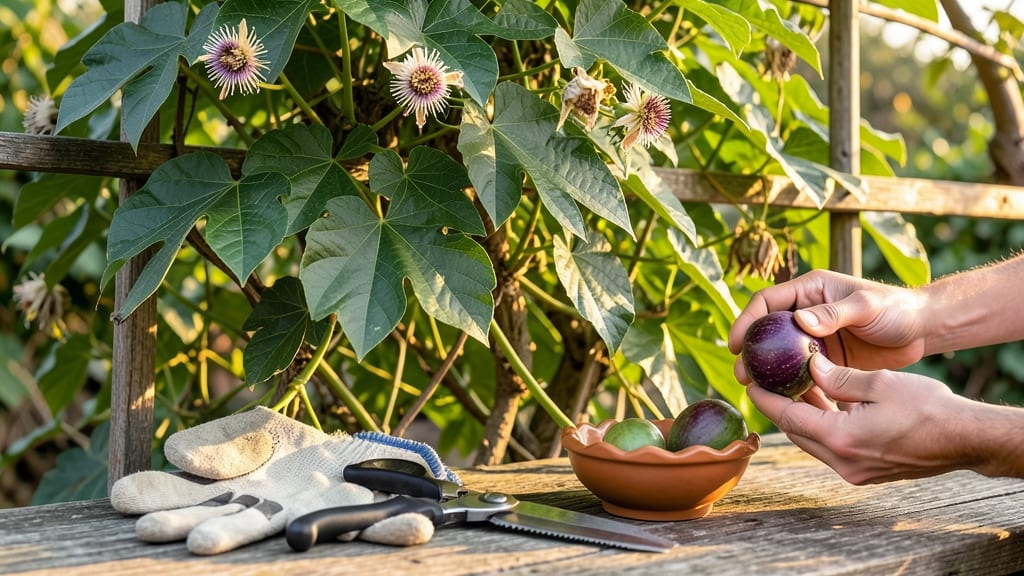
Picking a ripe passion fruit 🍈 can turn a disappointing harvest into a sweet, juicy victory—or leave you with a mealy, flavorless mess. The difference often comes down to knowing exactly what to look (and smell) for before you pluck it from the vine.
I’ve spent years growing passion fruit in General (Tropical/Subtropical Climates), and the key to perfect flavor is timing. A fruit that’s too hard or too soft will ruin your smoothies, desserts, or even savory dishes. But with just 3 simple tricks, you’ll never second-guess your harvest again.
From the way the skin yields under gentle pressure to the sweet, fragrant aroma that signals peak ripeness, these cues will help you spot the perfect passion fruit every time.
Whether you’re harvesting for immediate use or planning to store them, mastering these signs ensures you get the most flavor-packed fruit possible.
Ready to transform your passion fruit game? Let’s dive into the foolproof methods that’ll have you picking like a pro—no more guesswork, just perfect, ripe fruit waiting to be enjoyed.
3 Touch-and-smell tests to identify perfectly ripe passion fruit
Picking passion fruit at the right moment transforms your harvest from bland to burstingly sweet. Unlike many fruits, passion fruit doesn’t ripen well after picking—so timing is everything. The secret lies in combining three simple tests: skin softness, stem separation, and aroma intensity.
These cues work together to guarantee that juicy, flavor-packed fruit you’ve been dreaming of.
Start with the skin softness test. A perfectly ripe passion fruit should yield slightly when pressed with your thumb—like the give of a ripe avocado. If it feels rock-hard, it’s not ready yet.
Overly soft fruit with deep indentations? You’ve missed the window. The ideal firmness balances structure with readiness, ensuring the pulp inside is creamy and flavorful rather than mushy or underdeveloped.
Next, check the stem separation. Gently twist the fruit at its stem. If it snaps cleanly with minimal resistance, that’s your green light. A stubborn stem means the fruit needs more time on the vine.
This test reveals the fruit’s internal maturity—when the stem separates easily, the seeds inside are fully developed, and the pulp is at its peak sweetness.
Finally, trust your nose. A ripe passion fruit emits a sweet, tropical aroma near the stem. It’s a mix of citrus and floral notes that intensifies as ripeness increases. If you catch no scent, the fruit isn’t ready.
Pro tip: Sniff near the stem first—this is where the aroma concentrates. This scent cue is especially useful for varieties like yellow passion fruit, which can be trickier to judge by color alone.
- Skin Softness: Gentle thumb pressure should create a slight dent. 🟡
- Stem Twist: Stem snaps cleanly when twisted. ✂️
- Aroma Check: Sweet, tropical scent near the stem. 👃
Color alone isn’t enough to judge ripeness—especially with purple passion fruit, which can stay green-tinged even when ripe. The skin may shift from green to its mature hue (yellow, purple, or red), but this change happens gradually.
Pair color with the touch-and-smell tests for foolproof results. For example, a yellow passion fruit might turn fully golden but still feel firm—don’t be fooled!
Timing matters most in hot climates, where passion fruit ripens faster. Check fruits every 2-3 days during peak season to avoid missing the window. Morning is the best time to test—fruits are cooler, making the skin’s texture and scent easier to assess.
If you’re unsure, pick a few at different stages and let them ripen indoors. Place them in a paper bag with a banana or apple to speed up ethylene gas production.
Remember: Overripe passion fruit becomes mealy and seedy, while underripe fruit stays hard and bitter. The 3-test method eliminates guesswork, ensuring every harvest delivers that signature tangy-sweet flavor. Once you master these cues, you’ll never waste another passion fruit again—just pure, vibrant sweetness waiting to be enjoyed.
Pro tip: Harvest in the early morning when temperatures are cooler. This preserves the fruit’s freshness longer and makes the touch-and-smell tests even more reliable. Grab your pruning shears, twist gently at the stem, and let your senses guide you to perfection.
How to pick passion fruit at the right stage for storage vs. immediate use
Timing is everything when harvesting passion fruit. Picking at the wrong stage means bland flavors or wasted effort. For immediate use, aim for fruit that’s fully colored but still firm enough to handle.
If you plan to store or ripen at home, choose slightly firmer fruit with just a hint of softness—this gives it room to mature.
Environmental factors like temperature and humidity also play a role. Passion fruit ripens faster in warm, humid conditions. In cooler climates, fruit may take longer to soften, so pick a day or two earlier. Always harvest in the morning when fruit is coolest and firmest.
🌱
| Stage | Firmness | Color | Stem | Aroma | Best For |
|---|---|---|---|---|---|
| Immediate Use | Slightly soft | Fully colored | Snaps easily | Sweet, fragrant | Fresh eating |
| Storage/Ripening | Firm but yielding | Nearly colored | Twists slightly | Mild scent | Room ripening |
To extend shelf life, store passion fruit at room temperature until fully ripe, then refrigerate for up to 5 days. If storing unripe fruit, place it in a paper bag with a banana or apple to speed up ethylene gas production—nature’s way of ripening fruit faster.
Avoid cold storage until fully ripe, as chilling can turn the flesh mealy.
💧
Pro tip: If you’re unsure about ripeness, cut one open to check the seed cavity. Fully ripe passion fruit will have a gelatinous pulp surrounding the seeds, while underripe fruit will be hard and pale. This quick test saves time and ensures you’re always harvesting at peak flavor.
🌿