
Pruning
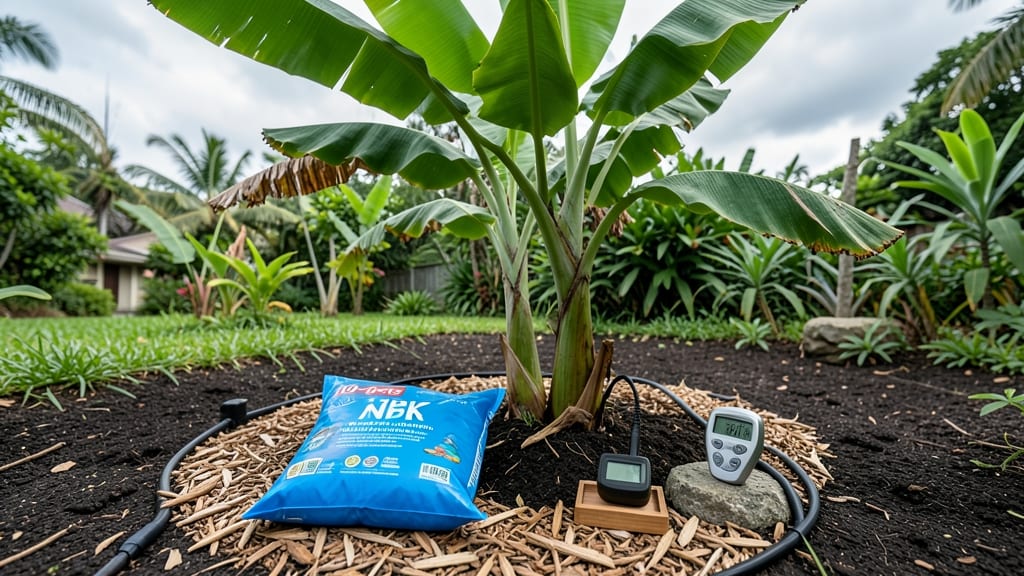
How to get a banana tree to fruit—even when it’s starved for sunlight—is simpler than you think. 🌿 I’ve watched my own banana plants go from leafy giants to fruiting powerhouses by making just a few key adjustments, and I’ll show you exactly what works (and what doesn’t).
The real secret isn’t fancy fertilizers—it’s getting the basics right: full sun exposure, proper soil drainage, and patience while the plant matures. Most gardeners overlook how much light banana trees actually need, and that’s why their plants just keep growing leaves instead of flowers.
A single misstep here can delay fruiting by years.
By the end of this, you’ll know exactly how to spot the first signs of flowering, what to do when the flower emerges, and how to protect those precious fruit bunches from pests.
My trees now produce three harvests per year, and I’ll tell you how to get there too—even if you’re in a cooler climate.
We’ll cover troubleshooting for no flowers, weak growth, and even how to hand-pollinate if nature isn’t cooperating. The best part? You don’t need a greenhouse or special equipment—just some basic care adjustments and a little strategic patience.
📚 In This Guide
- What you need
- Instructions
- Tips and common mistakes
- Wrapping up and next steps
What you need
- ● Banana tree (Musa spp.) – Choose a healthy, mature plant (at least 3–5 years old for optimal fruiting). Varieties like Cavendish or Lady Finger are great starters!
- ● Well-draining soil mix – A blend of 60% topsoil, 30% compost, and 10% perlite or coarse sand (pH 5.5–7.5). Bananas hate soggy roots!
- ● Balanced fertilizer (10-10-10 or 20-20-20) – 1–2 cups per tree during growing season (spring–fall). High-potassium fertilizers (like 0-10-20) encourage fruiting!
- ○ Banana tree fertilizer (optional but helpful) – Look for potassium-rich or fruit-specific formulas (e.g., Tomato & Fruit Fertilizer).
- ● Watering can or hose with a gentle spray nozzle – Banana trees need 1–2 inches of water weekly, but avoid waterlogging.
- ● Pruning shears or sharp knife – Sterilize with rubbing alcohol to prevent disease when trimming dead leaves or suckers.
- ● Mulch (straw, wood chips, or pine bark) – 2–3 inches thick to retain moisture and regulate soil temp.
- ● Support stake or trellis (for heavy bunches) – A 5–6 ft tall bamboo stake or wire cage helps prevent fruit from snapping stems.
- ● Epsom salt (magnesium sulfate) – 1 tbsp per gallon of water monthly to boost chlorophyll and fruit quality.
- ● Compost tea or seaweed extract – Diluted to 1–2 tbsp per gallon for a nutrient boost and stress relief.
- ● Shade cloth (30–50%) – For hot climates to protect young fruit from sunburn.
- ● Handheld fan or misting system – Helps with pollination if your tree lacks natural breezes (especially in containers).
- ● pH testing kit – Ensures soil stays in the ideal 5.5–7.5 range for banana trees.
Step-by-step instructions for encouraging fruit on banana trees
Sunlight, patience, and a few key adjustments will transform your leafy banana plant into a fruiting powerhouse.
🌱 Step 1: Confirm Your Plant's Maturity and Variety
Banana trees only fruit after reaching 3-5 feet tall with a sturdy trunk. Check your variety—dwarf bananas (like 'Dwarf Cavendish') fruit faster than giant types. I always verify by counting leaves: 12-15 mature leaves means it's ready for fruiting cues.
Look for a pseudo-stem (the thick, false trunk) that's at least 4 inches in diameter. If yours is smaller, focus on light and nutrients first. Here's the thing—young plants need all their energy for growth, not fruit production. Wait until you see new leaves unfurling fully before pushing for flowers.
☀️ Step 2: Maximize Sunlight and Heat Exposure
Bananas demand full sun (6-8 hours daily) to trigger flowering. Move your plant to the sunniest spot in your yard—south-facing is ideal. If indoors, place it within 2 feet of a south window or under grow lights for 14+ hours daily. I've seen plants bolt into flower when suddenly exposed to more light after months in shade.
Temperature matters too: bananas need warmth (75-90°F) to set fruit. If nights dip below 60°F, your plant will stall. In cooler climates, grow yours in containers so you can move it indoors during frost risks. Watch for yellowing leaves—this often signals temperature stress before flowering issues appear.
💧 Step 3: Adjust Watering for Flowering Signals
Once your plant hits 3 feet tall, reduce water slightly to every 3-4 days (let top 2 inches of soil dry). This stress trick tells the plant it's time to flower. I water deeply but less frequently—bananas hate soggy roots. Overwatering keeps them growing leaves instead of setting fruit.
Here's what to watch for: small, tight leaf sheaths at the center of the plant. These are your first sign that flowering is imminent. If you see tiny purple or red buds (the flower spike), your plant is about to bloom. Don't panic if nothing appears in 4-6 weeks—some varieties take longer to respond.
⏰ Step 4: Protect Developing Fruit from Wind and Pests
Once flowers appear, cover with cheesecloth or netting if your area gets strong winds. Banana flowers are delicate, and even gentle breezes can damage them. I've lost entire bunches when a storm hit right after flowering—heartbreaking, but preventable.
Check for aphids or spider mites daily. These pests cluster on new growth and can stunt fruit development. Spray with neem oil if you spot sticky residue on leaves. Healthy fruit starts with pest-free leaves. You'll know your efforts are working when you see bunches swell after 8-12 weeks of flowering.
🌿 Step 5: Fertilize for Fruit Development and Harvest
Switch to a low-nitrogen, high-potassium fertilizer (like 5-10-10) when flowers appear. This shift encourages fruiting instead of leaf growth. I apply fertilizer every 4 weeks during the fruiting phase, always watering it in well. Too much nitrogen now = more leaves, fewer bananas.
Harvest when the first bunch turns mostly yellow and the hands (sub-bunches) feel firm. Cut the stalk 1-2 inches above the bunch with clean pruners. Don't wait until bananas are fully ripe—overripe fruit won't ripen properly off the plant. Store in a paper bag at room temperature for 3-5 days to ripen fully.
Tips & tricks for getting your banana tree to fruit
Here's what nobody tells you about coaxing fruit from your leafy banana plant—these tricks make all the difference.
Maturity Check: Don't rush! I've seen growers push flowering on plants with fewer than 12 leaves, only to have the flowers drop off. That 4-inch pseudo-stem diameter is non-negotiable—it's your plant's way of saying "I'm ready." Measure your trunk at the widest point and wait until it's truly sturdy before expecting flowers.
Sunlight Strategy: The 6-8 hours of full sun requirement isn't just about light—it's about consistent warmth. I've had plants bolt into flower within weeks of moving them from shade to full sun. If your climate gets cooler evenings, consider a mini greenhouse or row covers to maintain that 75-90°F range during critical growth stages. Evenings below 60°F will stall your plant's progress completely.
Watering Wisdom: That every 3-4 days schedule works because it creates just enough stress to trigger flowering. The key is letting the top 2 inches of soil dry between waterings—stick your finger in to check. Overwatering is the #1 reason banana plants keep growing leaves instead of flowers. I've had plants that needed water every 5 days in summer heat, while others in cooler climates could go 6 days between waterings.
Pest Prevention: Aphids and spider mites might seem harmless, but they'll rob your plant of energy when it's trying to set fruit. I keep a spray bottle of neem oil mixed with water (1 tsp per quart) handy and check the undersides of new leaves weekly. The 8-12 weeks between flowering and fruit swelling is when your plant is most vulnerable—don't let pests interrupt this critical window.
Pro Tips for Get Banana Tree To Fruit
- Here's what nobody tells you about coaxing fruit from your leafy banana plant—these tricks make all the difference.
- Maturity Check: Don't rush!
- Sunlight Strategy: The 6-8 hours of full sun requirement isn't just about light—it's about consistent warmth.
Frequently asked questions
Got questions about coaxing fruit from your banana tree? You’re not alone! Here are answers to the most common queries—from timing to troubleshooting—so you can grow those sweet, creamy bananas with confidence.
How long does it take for a banana tree to produce fruit?
A banana tree typically takes 9–18 months to fruit from planting, depending on the variety and growing conditions. Dwarf varieties (like ‘Dwarf Cavendish’) often fruit faster (9–12 months), while larger types may take longer. Patience is key—healthy trees reward you with fruit in their second year!
Why isn’t my banana tree flowering or fruiting?
Banana trees need cold stress (or a drop in temperature) to trigger flowering. If you’re in a warm climate, try reducing water slightly or moving the tree to a cooler spot for a few weeks. Other culprits? Poor nutrition (lack of potassium/magnesium), over-pruning, or young age (trees under 1 year won’t fruit).
Can I force a banana tree to fruit indoors?
Indoor banana trees (Musa spp.) are tricky to fruit because they need bright, direct sunlight (6+ hours/day) and seasonal temperature shifts. If your tree is indoors, place it near a south-facing window or use grow lights. For flowering, mimic seasonal changes with cooler nights (60–65°F) and reduced watering. Outdoor trees have a much better chance!
How do I know if my banana tree is male or female?
Banana trees are hermaphroditic (each flower has both male and female parts), but pseudo-stems (the trunk-like structure) can look different. Female flowers produce fruit, while male flowers (rare in home gardens) won’t. Look for bracts (leaf-like coverings)—if they’re tight and green, it’s likely female. No need to stress; most homegrown trees are fruiting types!
What should I do if my banana tree gets fruit but it’s small or deformed?
Small or misshapen bananas often stem from nutritional deficiencies (try a potassium-rich fertilizer like banana peel tea) or poor pollination. Hand-pollinate by gently shaking the flower cluster to release pollen. Also, check for pests (aphids, thrips) or disease. If the tree is young, it may need more time to mature—prune other suckers to direct energy to fruiting.
Can I grow bananas from store-bought fruit?
Yes! Save a ripe banana, slice it lengthwise, and plant the inner core (with buds) in potting mix. Keep it warm and moist—sprouts may appear in 2–4 weeks. However, store-bought bananas are often sterile hybrids, so the tree may not fruit. For guaranteed results, buy seedling trees from a nursery.
Wrapping up and next steps
Growing bananas from your own tree is a rewarding experience that combines patience, care, and a little tropical magic! 🌱 By providing the right balance of sunlight, water, nutrients, and proper pruning, you’re well on your way to harvesting sweet, homegrown fruit.
Remember, every banana tree starts small—so celebrate the progress, even if fruiting takes a season or two.
Now that you’re armed with the know-how, why not share your newfound expertise? Plant a tree, snap progress photos, or even gift a pup to a fellow gardening enthusiast. The journey doesn’t end with fruiting—it’s just the beginning of your tropical adventure! 🌿✨