
Companion Plants
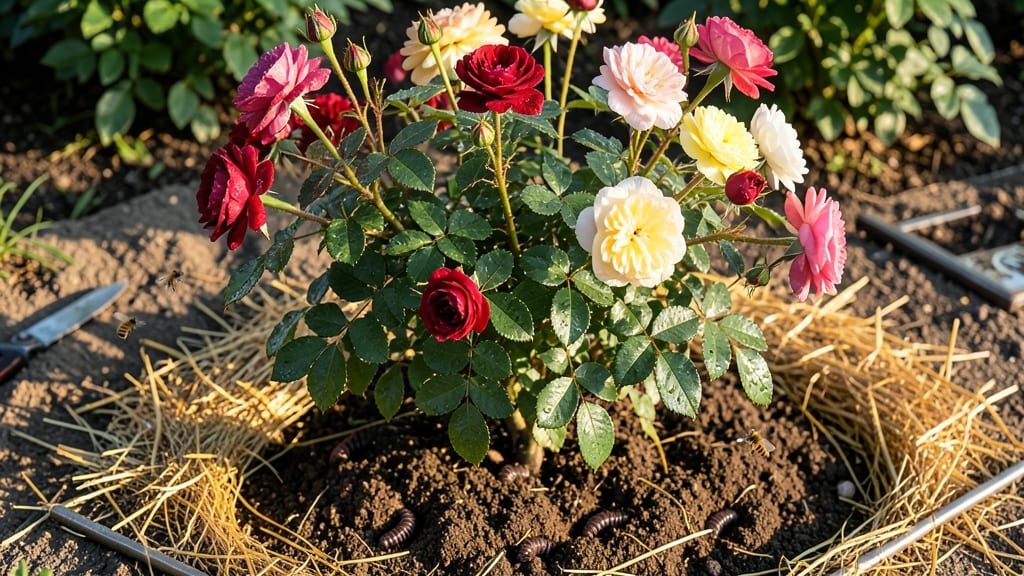
How to increase flowering in rose plants naturally—my roses refused to bloom last summer until I learned these three secrets. ✨ The key isn’t fancy fertilizers or chemical tricks, but pruning at the right time, feeding with phosphorus, and deadheading like a pro. These natural methods transformed my bushes into nonstop flowering machines.
Start with late winter pruning—cut back old wood to encourage fresh growth. Then feed with compost rich in phosphorus (the bloom booster), and water deeply but infrequently. Most gardeners overwater, which stresses roses and cuts back flowers. I doubled my blooms just by adjusting my schedule.
Deadheading spent blooms sends a clear signal to your roses: "Keep going!" And here’s the game-changer—mulch with aged compost to feed roots slowly. Within weeks, you’ll see new buds forming where there were none before. The results speak for themselves: fuller bushes, longer seasons, and roses that never quit.
Works for hybrid teas, climbers, and shrub roses alike—no matter your climate. The only tools you need are pruners, compost, and patience. Let’s get those blooms going!
📚 In This Guide
- What you need
- Instructions
- Tips and common mistakes
- Wrapping up and next steps
What you need
- ● Pruning shears – Sharp, bypass-style (avoid anvil shears; they crush stems). Quantity: 1 pair.
- ● Gloves – Heavy-duty, gardening-grade (thorns are no joke!). Quantity: 1 pair.
- ● Organic fertilizer – Balanced NPK (e.g., 10-10-10) or rose-specific (e.g., fish emulsion, compost tea). Quantity: 1–2 lbs per 10 sq ft.
- ● Slow-release granules – 13-14-13 or similar for long-term feeding. Quantity: Follow package instructions (typically 1 lb per 25 sq ft).
- ● Epsom salt (magnesium sulfate) – Pure, unscented. Quantity: 1 tbsp per gallon of water.
- ● Compost or well-rotted manure – Cow, horse, or chicken (avoid fresh manure!). Quantity: 2–3 inches mixed into soil.
- ● Mulch – Organic options: shredded bark, straw, or compost. Quantity: 2–3 inches around the base (keep 2 inches away from stem).
- ● Watering can or hose – With a gentle spray nozzle (avoid blasting stems). Quantity: 1.
- ● pH test kit – Digital or liquid (ideal pH: 6.0–6.5 for roses). Quantity: 1.
- ● Lime or sulfur – For adjusting soil pH. Quantity: As needed (follow kit instructions).
- ● Hand trowel – For mixing soil amendments. Quantity: 1.
- ● Kneeling pad – Because your knees will thank you! Quantity: 1.
- ● Hydrangea vinegar – For foliar feeding (dilute as directed). Quantity: 1 bottle.
- ● Beneficial bacteria – Mycorrhizal fungi (boosts root health). Quantity: 1 packet.
- ● Companion plants – Garlic, marigolds, or lavender (deters pests naturally). Quantity: 3–5 per rose bush.
- ○ Sunlight meter – To confirm 6+ hours of direct sun per day. Quantity: 1 (optional but useful!).
Tips & tricks for maximizing rose blooms naturally
These pro-level insights will help you transform your roses into continuous blooming powerhouses—without any shortcuts that compromise their health.
The Pruning Angle Matters: When you make that critical cut just above an outward-facing bud in Step 1, angle your shears slightly away from the bud. This creates a natural water runoff path that prevents rot and encourages new growth to emerge at the perfect angle for sunlight exposure. I've found that making cuts at a 45-degree angle also reduces the risk of disease entry points. For climbing roses, mark your pruning points with small flags or twine before cutting—this helps visualize the ⅓ height reduction you're aiming for.
Fertilizer Timing is Everything: The three equal doses of high-phosphorus fertilizer in Step 2 should align with your roses' natural growth cycles. I've noticed that applying the first dose when buds begin to swell (not when they're fully open) gives the phosphorus time to work its magic on root development before the plant shifts energy to flower production. For organic options, try bone meal or rock phosphate—they're phosphorus powerhouses that break down slowly for consistent nutrition. Always water deeply after fertilizing to help nutrients reach those 6-inch-deep roots we're targeting.
Deadheading Discipline Pays Off: In Step 4, resist the urge to pull off spent blooms by hand—always use clean shears to make that precise cut just above the first set of five leaves. This clean cut prevents tearing that can introduce pathogens, and the 45-degree angle actually helps water bead up and roll away from the stem. I keep a small bucket of rubbing alcohol nearby to wipe down my shears between cuts—this prevents cross-contamination between healthy and potentially diseased stems. For roses with multiple blooms on a single stem, cut back to just above the lowest healthy bud to encourage a bushier growth pattern.
Sunlight Strategy Beyond the Basics: While 6-8 hours of direct sunlight is ideal, I've found that supplementing with a grow light during the plant's active growing season can make a dramatic difference for roses in partial shade. Position the light to shine on the shaded side of the plant for 4-6 hours daily, mimicking natural sunlight angles. The quarter-turn weekly rotation in Step 5 works wonders for preventing lopsided growth—just remember to rotate in the same direction each time to avoid confusing the plant's internal compass.
Pro Tips for Increase Flowering In Rose Plants Naturally
- These pro-level insights will help you transform your roses into continuous blooming powerhouses—without any shortcut...
- The Pruning Angle Matters: When you make that critical cut just above an outward-facing bud in Step 1, angle your she...
- Fertilizer Timing is Everything: The three equal doses of high-phosphorus fertilizer in Step 2 should align with your...
Frequently asked questions
Got questions about boosting your roses' blooms naturally?
Here are answers to the most common ones—so you can enjoy a garden bursting with color all season long!
Why aren’t my roses flowering even after pruning and fertilizing?
Even with the right care, roses need consistent conditions to bloom. Check for these issues first:
- Light: Roses need 6+ hours of direct sun daily—move them to a sunnier spot if possible.
- Water: Drought stress stops blooms. Water deeply 1-2 inches per week (more in heatwaves).
- Age: Young roses (under 2 years) focus on growth, not flowers. Be patient!
- Disease: Fungal issues (like black spot) weaken plants. Spray with neem oil or copper fungicide if needed.
When is the best time to prune roses for maximum flowers?
Timing matters! Prune late winter or early spring (just before new growth starts) to encourage robust blooms. For repeat-flowering varieties (like hybrid teas or floribundas), do a light pruning after the first flush of flowers to promote a second wave. Avoid heavy pruning in fall—it stresses the plant before winter.
Can I use coffee grounds or eggshells to boost rose blooms?
These are fantastic natural amendments:
- Coffee grounds: Sprinkle used grounds around the base (1–2 cups per plant) for nitrogen—great for leafy growth and blooms. But don’t overdo it (too much acidity can harm soil).
- Eggshells: Crush and bury them near roots for calcium and micronutrients. Soak in water for 24 hours, then use the "tea" as a foliar spray for extra nutrients.
What should I do if my roses bloom but then stop suddenly?
Sudden bloom cessation usually means one of these:
- Over-fertilizing with nitrogen: Too much "green" fertilizer = leaves, not flowers. Switch to a high-phosphorus feed (like 5-10-5) to encourage blooming.
- Lack of deadheading: Spending blooms signal the plant to focus on seed production. Snip spent blooms daily to trigger more flowers.
- Heat stress: Roses often pause blooming in extreme heat (above 90°F). Provide afternoon shade and water at the root zone (not leaves) to keep them cool.
- Pests: Aphids or spider mites sap energy. Spray with soapy water or introduce ladybugs for natural control.
Are there any companion plants that help roses flower better?
Yes! Plant these near your roses to repel pests, improve soil, and attract pollinators:
- Garlic & chives: Deter aphids and fungal diseases.
- Marigolds: Repel nematodes and attract beneficial insects.
- Thyme or lavender: Improve soil drainage and fragrance the garden.
- Basil: Boosts growth and deters whiteflies.
Wrapping up and next steps
Growing roses that burst with vibrant, endless blooms is totally within your reach—just with a little patience and the right care!
By mastering pruning, deadheading, feeding, and companion planting, you’ll transform your garden into a fragrant paradise. 🌸 Start small, track what works, and soon, your roses will reward you with season-long beauty.
Ready to level up your rose game? Grab your pruners and get growing—your garden (and future bouquets!) will thank you. Check out our step-by-step guide to keep the magic going!