
Pests
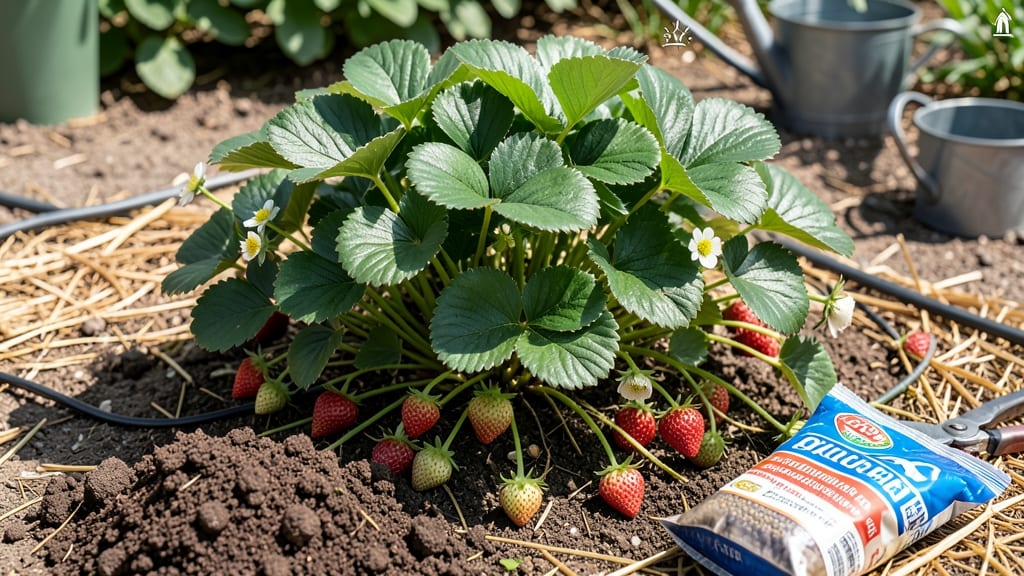
How to get big strawberries this season could transform your harvest—no luck involved, just smart care. 🌱 The secret isn’t just luck—it’s pruning, feeding, and deadheading at the right times, combined with soil that’s rich enough to fuel those monster berries. I’ve gone from tiny, tart strawberries to plump, sweet ones bursting with juice by making just a few adjustments.
Most gardeners miss the basics: sunlight (6+ hours daily), watering (1-1.5 inches per week), and mulching (to keep roots cool and moist). But the real game-changers are fertilizing with balanced organic matter in early spring and pruning runners to direct energy into fruit production.
Even your strawberry variety matters—June-bearing types need different care than everbearing ones.
By mid-summer, you’ll be harvesting berries so large they barely fit in your hand. The key is consistent care: remove spent flowers to encourage bigger fruit, side-dress with compost every 4-6 weeks, and protect plants from pests that steal nutrients.
My berries now average 2+ inches wide—and they’re sweeter too.
This works for both in-ground beds and containers, whether you’re growing Albion, Chandler, or Seascape varieties. The same principles apply whether you’re a beginner or a seasoned gardener—just adjust the timing for your climate. Let’s get those berries growing big!
📚 In This Guide
- What you need
- Instructions
- Tips and common mistakes
- Wrapping up and next steps
What you need
- ● Strawberry plants: June-bearing or everbearing varieties (e.g., 'Chandler,' 'Seascape,' or 'Albion') – 3-5 plants per square foot for optimal spacing.
- ● Healthy, disease-free runners or bare-root plants (check labels for size guarantees!)
- ● Well-draining soil: Rich in organic matter (compost or aged manure – at least 2-3 inches mixed into the top 6-12 inches of soil).
- ● pH level: 5.5–6.8 (test with a soil kit or send a sample to a local extension office).
- ● Fertilizer: Balanced organic fertilizer (10-10-10 or similar) – 1 tablespoon per plant every 4-6 weeks during growing season.
- ● Slow-release fertilizer (like osmocote) for steady nutrients.
- ● Mulch: Straw or pine needles (2-3 inches thick) to retain moisture and suppress weeds.
- ● Watering system: Drip irrigation or soaker hose (avoid overhead watering to prevent disease).
- ● Watering can with a fine rose attachment (for smaller gardens).
- ● Pruning shears: Sharp, bypass-style (for clean cuts).
- ● Garden gloves: Heavy-duty to protect from thorns and soil.
- ● Hand trowel: For transplanting or adjusting mulch.
- ● Spray bottle: With water + neem oil (1 tsp per quart) for pest control.
- ○ Support system (optional but helpful): Strawberry pots or hanging baskets (for vertical growth).
- ● Small stakes or cages (to elevate berries off the ground).
- ● Sunlight: At least 6-8 hours of direct sun daily (more = bigger berries!).
- ● Time: Daily checks for pests/disease (especially in humid climates).
- ● Weekly pruning and deadheading (remove spent flowers to redirect energy to fruit).
- ● Patience: Giant strawberries take 2-3 years to reach full potential!
Tips & tricks for growing giant strawberries
These game-changing techniques will transform your strawberry patch into a berry bonanza—no expensive tricks required.
Pruning Precision: When you're trimming those reddish-brown canes in Step 1, look for the ones with small white buds along the stem. These are your future berry producers—leave them alone! The key is cutting just above the soil line with clean, sharp pruners. I've found that sterilizing your tools with rubbing alcohol between plants prevents spreading disease, which keeps those new green shoots healthy and strong for up to 14 days after pruning.
Fertilizer Timing: In Step 2, that 1/2 teaspoon of 10-10-10 fertilizer is your secret weapon, but timing matters. Apply it when you see the first flower buds forming—not before! I've learned the hard way that fertilizing too early leads to leafy growth with tiny berries. The phosphorus in that balanced mix is what actually makes those berries swell to 2-3 times normal size, so don't skimp on it.
Deadheading Discipline: The 3-4 day check schedule in Step 3 is non-negotiable during peak season. I've timed myself—it takes about 10 minutes to deadhead 20 plants thoroughly. Use your fingers to pinch off the entire flower cluster, not just the dead blossoms. This might seem tedious, but it's what prevents your plant from wasting energy on seed production. You'll notice new flower buds forming at the base within 7-10 days of consistent deadheading.
Watering Wisdom: For Step 4, that 1-inch weekly water rule is perfect, but delivery matters. I've switched to drip irrigation because it keeps the soil evenly damp without wetting the leaves—this prevents fungal diseases that stunt growth. Water in the morning so any moisture on leaves dries quickly. You'll see the berries plump up fastest when the soil stays consistently moist but never soggy, which is why I check soil moisture by sticking my finger 1 inch deep between waterings.
Pro Tips for Get Big Strawberries
- These game-changing techniques will transform your strawberry patch into a berry bonanza—no expensive tricks required.
- Pruning Precision: When you're trimming those reddish-brown canes in Step 1, look for the ones with small white buds along the stem.
- Fertilizer Timing: In Step 2, that 1/2 teaspoon of 10-10-10 fertilizer is your secret weapon, but timing matters.
Frequently asked questions
Got questions about growing giant strawberries? You’re not alone! Here are answers to the most common queries—so you can troubleshoot, optimize, and enjoy those juicy rewards.
How often should I prune my strawberry plants?
Prune your strawberries once a year—right after harvest (early summer). Remove old leaves, runners, and weak growth to redirect energy to fruit production. Avoid pruning during flowering or fruiting, as this stresses the plant. Pro tip: Use clean, sharp shears to prevent disease spread!
Why are my strawberries staying small, even after pruning?
Small strawberries often mean nutrient deficiency or poor pollination. Check your soil pH (ideal: 5.5–6.5) and fertilize with a balanced, organic feed (like compost or 10-10-10) during blooming. Hand-pollinate if bees are scarce—gently shake plants or use a soft brush. Bonus: Mulch to retain moisture and warmth!
Can I grow big strawberries in containers?
Use large pots (at least 12" deep) with drainage holes and well-draining soil. Choose everbearing varieties (like ‘Albion’ or ‘Seascape’) for container success. Place pots in full sun (6+ hours/day) and fertilize every 2–3 weeks. Warning: Containers dry out faster—water deeply 2x/week!
How do I protect strawberries from pests without chemicals?
Pests like slugs, birds, and aphids can shrink your harvest. Try these natural fixes:
- Slugs: Set out beer traps or copper tape around plants.
- Birds: Cover plants with lightweight netting or reflective tape.
- Aphids: Spray with soapy water (1 tsp mild soap + 1L water).
When is the best time to harvest strawberries for maximum size?
Harvest when strawberries are fully red, plump, and slightly soft to the touch—usually 4–6 weeks after flowering. Pick in the morning (cooler temps preserve sweetness) and avoid squeezing berries. Pro move: Use a small knife or scissors to cut stems—never pull! This prevents damage to the plant.
Wrapping up and next steps
Growing big, juicy strawberries is totally within your reach—just remember the golden trio: prune, feed, and deadhead! With the right tools, a little patience, and consistent care, your plants will reward you with monster berries in no time. 🌱✨
Now that you’re armed with the know-how, roll up your sleeves and put these tips into action. Start small—even a few plants can make a difference—and watch your harvest grow. Happy gardening! 🍓💚
Ready to take it further? Experiment with varieties or share your progress with fellow gardeners—your strawberry success story might inspire someone else!