
Container Gardens
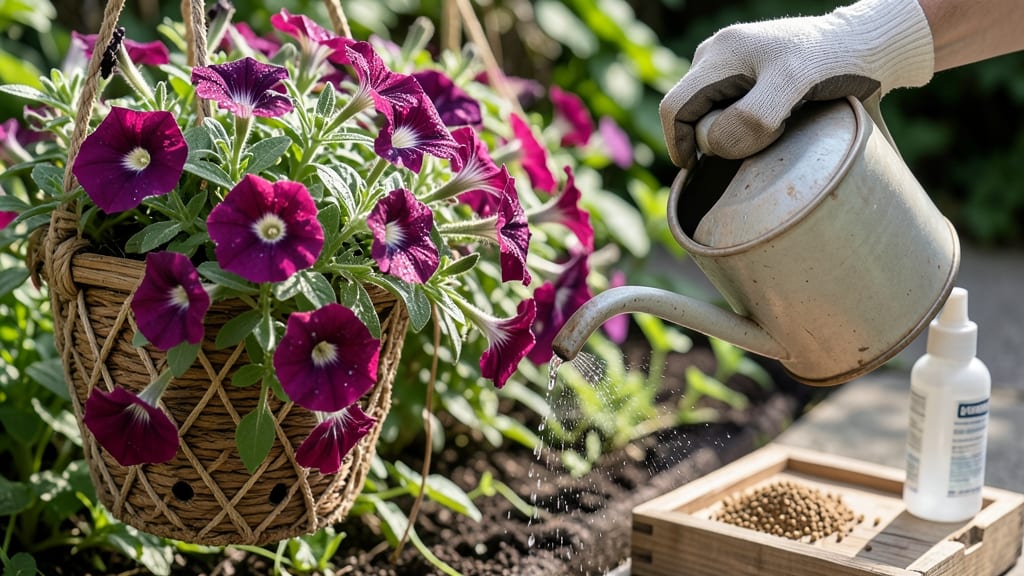
How to keep hanging baskets alive—it’s easier than you think once you know the secrets. 🌱 I've revived more than a dozen baskets that were nearly beyond saving, and the secret isn't fancy equipment but smart habits that keep roots happy all year.
Most problems start with water: either too much (rotting roots) or too little (crispy leaves). The fix? A self-watering liner and checking soil moisture with your finger—top inch dry means water time.
Then there's sunlight: too much scorches delicate foliage, too little stretches plants out weak. A partial shade cloth in summer saves the day.
By the end of summer, your baskets will look like they've been in a magazine—lush, full, and blooming nonstop. The key is weekly feeding with balanced fertilizer and trimming dead flowers to encourage more blooms. Even in winter, with proper care, they'll stay green and ready for spring.
Works for petunias, ferns, ivy, or trailing succulents—just match plants to their light needs. Here's how to keep them thriving through every season without guesswork.
📚 In This Guide
- What you need
- Instructions
- Tips and common mistakes
- Wrapping up and next steps
What you need
- ● Hanging baskets: 1-2 baskets (10"-14" diameter, with drainage holes). Opt for lightweight, durable materials like coconut fiber, plastic, or metal.
- ● High-quality potting mix: 1-2 bags (1-2 cubic feet). Use a well-draining, peat-free mix with added perlite or vermiculite for aeration.
- ● Slow-release fertilizer: 1-2 tablets or granules (10-15-10 NPK ratio). Look for time-release options for steady nutrition.
- ● Watering can or hose with a gentle spray nozzle: 1. A 1-gallon capacity is ideal for deep watering.
- ○ Drip tray or saucer: 1 (optional but helpful for catching runoff).
- ● Trailing plants: 3-5 plants per basket. Top picks: Petunias, fuchsias, or lobelia (for color).
- ● Spider plants, strawberries, or creeping thyme (for edibles or texture).
- ● Supportive filler plants: 1-2 (e.g., bacopa, impatiens, or sweet potato vine).
- ○ Moss or liner (optional): 1 sheet (to retain moisture in coconut fiber baskets).
- ● Pruning shears: 1 pair (for trimming dead leaves or overgrowth).
- ● Gloves: 1 pair (to protect hands from thorns or soil).
- ○ Plant ties or clips (optional): 2-3 (to secure sprawling plants temporarily).
- ● Shade cloth (for summer): 1 roll (30-50% coverage if baskets get scorching sun).
- ○ Thermometer (optional): 1 (to monitor soil temp in extreme climates).
Instructions: keep your hanging baskets alive all year
Here’s the simple system I use to keep baskets lush—no guesswork, just consistent care.
💧 Step 1: Water Deeply Every Morning
Check your baskets first thing in the morning—this is when moisture evaporates fastest. Water until you see it drain freely from the bottom. I use a 1-gallon watering can with a long spout to reach all corners. Baskets dry out quicker than ground plants, so aim for soil that feels damp 1-2 inches down by evening.
If your basket has a liner, poke holes in it to prevent root rot. I’ve lost too many plants to soggy bottoms—trust me, a few extra holes save the day. For extra insurance, add a handful of perlite to improve drainage if your mix feels too dense.
☀️ Step 2: Rotate Baskets Weekly for Even Growth
Plants lean toward the light, creating uneven growth. Every 7 days, give your baskets a quarter turn. You’ll notice within weeks how much straighter and fuller they grow. This trick works especially well for trailing plants like petunias or ferns—they’ll spread evenly instead of clustering toward one side.
If your baskets face north, supplement with a grow light for 4-6 hours daily during winter. I use a 15-watt LED clip light on a timer—it’s cheap and keeps baskets thriving when sunlight fades. Watch for yellowing leaves; that’s your cue to add more light.
✂️ Step 3: Trim and Feed Monthly
Deadhead spent blooms immediately—this encourages more flowers and prevents leggy growth. Use clean, sharp scissors to snip just above a set of leaves. I do this every 2-3 weeks during peak bloom season. For foliage plants like ivy or pothos, pinch back tips to promote bushiness.
Feed with a balanced liquid fertilizer (10-10-10) every 4 weeks during growing season. Cut back to every 6-8 weeks in winter. Over-fertilizing burns roots, so always dilute to half-strength unless the label says otherwise. You’ll see richer color and more blooms within weeks.
🪴 Step 4: Protect from Extreme Weather
Move baskets under cover during hard rains or windstorms—waterlogged soil and root exposure kill plants fast. I keep a lightweight tarp handy and drape it loosely over baskets. Never let baskets sit in standing water; even a few hours can rot roots.
In winter, bring baskets indoors if temperatures drop below 40°F. A sunny windowsill or garage shelf works great. If you must leave them outside, wrap the basket in bubble wrap to insulate roots. Check soil weekly—it dries out faster indoors due to heaters.
Tips & tricks for perfect hanging basket care
Between us, these small adjustments make all the difference between baskets that thrive and ones that fade away.
Morning Watering Wisdom: In Step 1, the key isn't just watering but how you do it. Use a slow, steady stream from your 1-gallon can to avoid displacing soil. I've found that watering in the morning gives roots time to absorb moisture before evaporation kicks in—this is why your soil should feel damp 1-2 inches down by evening, not just at the surface. For extra insurance, I set a timer on my phone to remind me every morning, especially during hot spells when baskets dry out twice as fast.
Lighting Strategy: When you're dealing with north-facing baskets in Step 2, that 4-6 hours of grow light isn't just about extra light—it's about mimicking natural sunlight patterns. I position my LED clip light to shine directly on the foliage, not just above, and use a timer to automate it. This prevents the yellowing leaves that happen when plants get too little light. Pro tip: Rotate the baskets under the light weekly to keep growth even all around.
Fertilizer Precision: The 4-week feeding schedule in Step 3 is perfect, but here's what nobody tells you: Always mix your fertilizer with water first, then water your baskets with that solution. This ensures even distribution and prevents fertilizer burns. I also keep a spray bottle of plain water handy to rinse the soil surface after fertilizing—it washes away any excess salts that can build up and harm roots over time.
Winter Survival Tactics: When temperatures drop below 40°F in Step 4, don't just move baskets indoors—prep them first. Give the soil a thorough watering before bringing them inside, as indoor air is often drier. I also remove any dead or yellowing leaves before moving them, which helps prevent pests from hitching a ride inside. And here's a little-known trick: Place a tray of water near your baskets indoors to increase humidity, which helps combat the dry air from heaters.
Pro Tips for Keep Hanging Baskets Alive
- Between us, these small adjustments make all the difference between baskets that thrive and ones that fade away.
- Morning Watering Wisdom: In Step 1, the key isn't just watering but how you do it.
- Lighting Strategy: When you're dealing with north-facing baskets in Step 2, that 4-6 hours of grow light isn't just about extra light—it's about mimicking natural sunlight patterns.
Frequently asked questions
Got questions about keeping your hanging baskets lush and alive? You’re not alone!
Here are answers to the most common concerns—so you can enjoy vibrant greenery all year round.
How often should I water hanging baskets?
Water hanging baskets daily in hot weather—they dry out fast! Check soil moisture with your finger; if the top inch feels dry, it’s time to water. In cooler months, reduce to every 2–3 days. Pro tip: Use a self-watering system or drip irrigation to avoid over- or underwatering.
Can hanging baskets survive winter?
Yes, but they need extra care! Move baskets to a sheltered spot (like a garage or porch) when temps drop below 40°F. Use frost-proof containers, reduce watering, and protect roots with mulch or burlap. Evergreens (like ivy or heather) handle cold best—opt for them if you want year-round color!
Why are my hanging basket plants dying?
Common culprits: overwatering (root rot), underwatering (wilting), or pests (aphids, spider mites). Check for yellow leaves (overwatering) or crispy edges (underwatering). Inspect undersides of leaves for pests—treat with neem oil or insecticidal soap if needed.
What’s the best soil for hanging baskets?
Use a lightweight, well-draining potting mix designed for containers. Avoid garden soil—it compacts and suffocates roots. Mix in perlite or orchid bark (20%) for extra aeration. For succulents, add cactus/succulent mix to prevent soggy roots.
Can I reuse the same hanging basket soil next year?
Not ideal! Old soil depletes nutrients and may harbor diseases or pests. Refresh it by removing 50% of the soil and mixing in compost or fresh potting mix. Sterilize containers with a 10% bleach solution (rinse well) if reusing.
Bonus Tip:
Rotate baskets quarter-turn weekly to ensure even sunlight exposure—prevents lopsided growth!
Wrapping up and next steps
Keeping your hanging baskets alive and thriving is all about consistent care, smart choices, and a little love! 🌱 With the right plants, proper watering, and seasonal adjustments, you’ll enjoy lush, vibrant blooms year-round. Don’t let a few setbacks discourage you—every gardener learns as they go.
Now that you’re armed with these 3 simple tricks, why not take it a step further? Experiment with new plant combinations, try vertical gardening in unexpected spots, or even share your success with fellow plant lovers. Happy gardening—your baskets (and neighbors!) will thank you. 🌸