
Pests
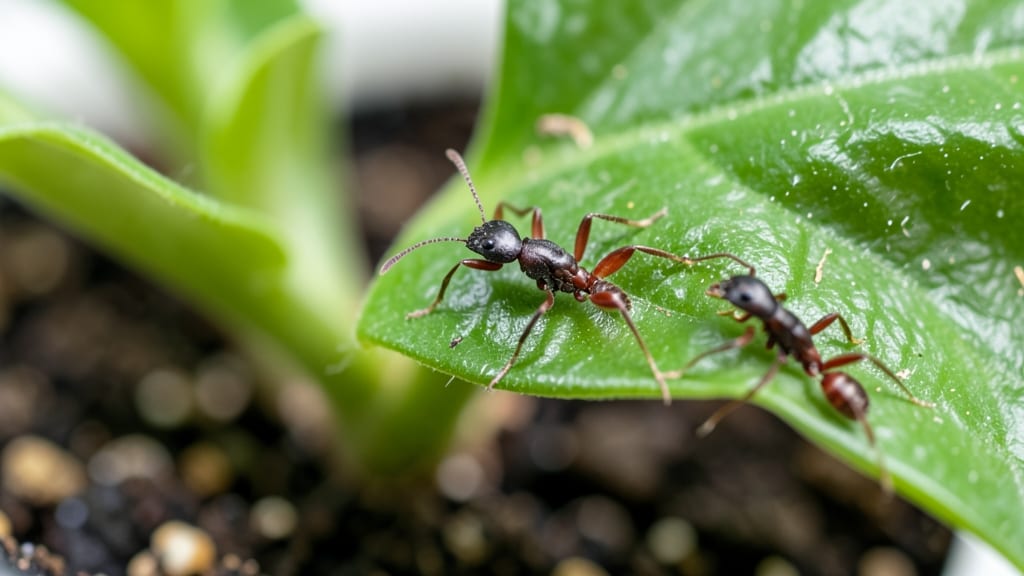
How to get rid of ants in my plant pots—it’s not just about the annoyance, it’s about reclaiming the nutrients your plants deserve. 🐜 I’ve battled these tiny invaders for years, and boiling water isn’t just a quick fix—it’s the game-changer that smothers nests in seconds without harming your greenery.
The secret lies in timing and placement. Pour freshly boiled water directly into the soil along the ant trails, focusing on where they enter the pot.
The heat kills eggs and workers instantly, while the steam disrupts their scent trails. For stubborn colonies, repeat every 3-4 days until you see no activity.
What you’ll end up with is ant-free pots where your plants thrive. The soil stays moist enough for roots but inhospitable to ants, and you avoid chemical residues that could harm your plants or pets. This method works for both indoor and outdoor pots, from delicate herbs to hardy succulents.
For recurring infestations, combine this with a barrier of diatomaceous earth around the pot’s base. It’s a two-pronged attack that keeps ants out for good—no more stolen nutrients or weakened plants. Let’s reclaim your pots!
Root Causes of Ant Infestations
Ants don’t just wander into your plant pots by accident—they’re following a trail of clues left by your plants, soil, and even your habits. Understanding these triggers is the first step to stopping them in their tracks. Let’s break down the science behind why your pots become ant hotspots.
Ants are drawn to plant pots because the soil often contains sugary nectar (from plant roots) and protein-rich honeydew (secreted by aphids or scale insects).
Here’s how it works: - Root exudates: Many houseplants, like ferns, ivies, and citrus trees, release sugary compounds through their roots as a byproduct of photosynthesis. These act like a free buffet for ants. - Aphid farms: Ants farm aphids because they protect them and harvest honeydew.
If your pots have aphids (tiny green/black bugs on stems), ants will defend them aggressively—even if they’re not eating your plants directly. - Decaying organic matter: Old mulch, dead leaves, or composted plant debris in the soil ferments, creating alcohol and sugars that ants detect from yards away.
💡 Pro Tip: If your soil smells sweet or sticky, it’s a red flag. Ants will swarm faster than you can say “pesticide.”
Ants need water to survive, and damp soil is like a superhighway for them. Here’s why your pots become ant magnets: - Overwatering: Soggy soil retains moisture longer, making it easier for ants to travel and nest.
They’ll follow the damp trail from the pot to your kitchen counter. - Condensation: Plastic or ceramic pots with condensation on the sides (common in humid climates) provide a water source.
Ants will climb up to drink, then scout for food. - Leaching nutrients: When you water, soluble sugars and salts leach into the soil, creating a sticky, nutrient-rich layer that ants can’t resist.
⚠️ Warning: Ants won’t just stop at your plants—they’ll march into your home to find food, then return to their nest in your pot. A single trail can lead to an infestation.
Your plant pots might be unwitting ant condos. Here’s why they choose them: - Loose, aerated soil: Ants prefer soil that’s easy to dig through.
Potting mixes with perlite, bark, or coconut coir create perfect tunnels for nesting. - Hidden spaces: The gap between the pot and saucer, or cracks in terracotta, provides dark, protected spots for queen ants to lay eggs. - Warmth retention: Pots absorb heat during the day and release it slowly—ideal for ant colonies, which thrive in stable, warm environments (70–90°F).
🔍 Science Note: Worker ants scout for nests by following pheromone trails. If one ant finds a cozy spot, she’ll recruit hundreds more in hours.
You might be accidentally feeding the ants without realizing it:
- Fertilizer residue: Liquid fertilizers often contain sugars or molasses, which ants lick up from the soil surface.
- Pet food or spills: If you feed pets near plants or leave crumbs on windowsills, ants will bridge the gap between your kitchen and their pot nest.
- Outdoor connections: If your pots sit on a wooden deck, patio, or grass, ants can build underground tunnels directly to your plants.
🚫 Common Mistake: Assuming ants are only after your plants? Wrong. They’re after you—your food, your pantry, and your peace of mind.
Not all plants are equally appealing to ants.
These are the top offenders: | Plant Type | Why Ants Love It | Ant Risk Level | |----------------------|---------------------------------------------|-------------------| | Citrus (lemons, oranges) | High sugar content in roots and fruit | ⭐⭐⭐⭐⭐ | | Ferns & Ivy | Release sugary root exudates | ⭐⭐⭐⭐ | | Succulents (with aphids) | Aphids attract ant “bodyguards” | ⭐⭐⭐ | | Herbs (basil, mint) | Strong aromas mask ant presence until it’s too late | ⭐⭐⭐⭐ | | Orchids | Moist, chunky bark medium = easy nesting | ⭐⭐⭐ |
🌱 Solution: If you love high-risk plants, inspect soil regularly for ant trails or aphids. Prevention is easier than a full-blown war.
Ants are opportunistic. These factors make your pots more vulnerable: - Spring & Summer: Warmth and rain increase ant activity.
Worker ants search for food and nesting sites aggressively. - Dry Conditions: If your outdoor area is drought-stricken, ants will raid indoor pots for moisture. - Nearby ant hills: If you’ve seen ants marching in straight lines near your plants, they’re following a pheromone trail—and your pot is likely on the route.
🌡️ Temperature Tip: Ants become more aggressive in heatwaves. A sudden ant invasion? Your pots just got cozier for them.
Practical Fixes for Ant-Infested Pots
Now that you know why ants are crashing your plant party, let’s tackle them head-on with targeted, no-nonsense solutions. Each fix matches a common cause—so pick the one that fits your situation and get those tiny invaders out for good.
And don’t worry, we’ll keep it simple, safe, and effective for your plants and your sanity.
Best for: Heavy infestations with visible trails or mounds in soil.
Ants love their underground highways, and boiling water is like a microwave for their colonies. Here’s how to hit them hard:
- 🔍 Locate the Nest
- Follow the ant trail backward to find the entry point (often near the pot’s base or soil cracks).
- If you see a tiny mound of dirt, that’s their HQ.
- 🍲 Boil Your Weapon
- Fill a kettle or pot with 1–2 cups of water and bring it to a rolling boil.
- 💦 Pour with Precision
- Slowly pour the boiling water directly into the nest or along the trail.
- Aim for the soil’s surface—ants can’t survive the heat, and their pheromone trails (which recruit more ants) will vanish.
- Pro tip: Add a drop of dish soap to the water for extra smothering power (it breaks their waxy exoskeletons).
- 🌱 Monitor & Repeat
- Check the pot in 24–48 hours. If stragglers appear, repeat the treatment.
✨ Why it works: Boiling water kills ants and disrupts their scent trails, stopping reinforcements. Plus, it’s chemical-free—safe for pets and plants!
Best for: Prevention and light infestations where ants are just starting to explore.
This non-toxic powder is like a death trap for ants—it’s sharp enough to puncture their exoskeletons but harmless to plants (once settled). Here’s how to deploy it:
- 🛒 Grab the Gear
- Buy food-grade diatomaceous earth (DE)—avoid pool-grade (it’s toxic to pets/plants).
- 🏗️ Create a Perimeter
- Sprinkle a thin, even layer (about 1/8 inch) around the outside edge of the pot’s base and along the soil’s surface.
- Focus on entry points like cracks or gaps in the pot.
- 🌪️ Let It Work
- Ants will crawl through the DE, get dehydrated, and die within 24–48 hours.
- Reapply after rain or watering (it loses potency when wet).
💡 Pro Tip: Mix 1 part DE with 1 part cocoa powder—the scent confuses ants even more!
Best for: Ants that follow trails but haven’t nested yet.
Ants rely on pheromone trails like GPS. Vinegar erases these trails and masks the scents that lure them to your pots. Try this:
- 🍶 Brew Your Solution
- Mix equal parts white vinegar and water in a spray bottle.
- 🎯 Spray Strategically
- Target ant trails, the pot’s base, and the soil surface.
- Avoid oversaturating plants (vinegar can alter soil pH over time).
- 🔄 Reapply as Needed
- Spray every 2–3 days until trails disappear.
- Bonus: Wipe down the outside of pots with vinegar to remove sticky deposits (ant "highways").
🌡️ Why it works: Vinegar’s acetic acid disrupts their communication, making them lose interest in your plants.
Best for: Small infestations where ants are drawn to sweet scents (like honey or fruit).
Ants love citrus, but you can turn their weakness into a trap. Here’s how:
- 🍋 Set the Trap
- Place peels from lemons, oranges, or grapefruit around the pot’s base.
- Alternatively, soak peels in warm water overnight, then pour the liquid near entry points.
- 🕳️ Add a Killing Chamber (Optional)
- Fill a shallow dish with citrus peels + a little water + a drop of dish soap.
- Ants will drown in the soapy mix.
- 🗑️ Dispose & Repeat
- Replace peels every 2–3 days until ants stop coming.
✨ Extra trick: Crush cloves near the trap—ants hate the smell and will avoid the area.
Once you’ve evicted the ants, lock them out with these long-term strategies:
| Tactic | How to Do It | Why It Works |
|---|---|---|
| 🪨 Copper Barrier | Wrap a copper wire or band around the pot’s top edge (ants can’t cross metal). | Copper emits a mild electric charge that repels ants. |
| 🌿 Plant Guardians | Surround pots with ant-repelling plants like mint, lavender, or basil. | Strong scents mask plant odors that attract ants. |
| 🧼 Clean Up Crumbs | Remove fallen leaves, spilled water, or food debris from near pots. | Ants scavenge—starve them of incentives! |
| 🚪 Seal Gaps | Check for cracks in pots or saucers and seal with caulk or sand. | Blocks their entry points. |
| 🌧️ Water Wisely | Let soil dry slightly between waterings (ants love damp soil). | Reduces nesting spots. |
Final Thought: Ants in plant pots are a nuisance, not a disaster. Pick the method that fits your situation, act fast, and soon your greenery will be ant-free and thriving—without harsh chemicals. And remember: prevention is your best ally! 🌱🚫🐜
Frequently asked questions
Why do ants suddenly appear in my plant pots?
Ants are drawn to plant pots because of sugary root exudates from plants like ferns or citrus, or honeydew from aphids. They also love the moisture in damp soil, which acts like a highway for their colonies. If you've noticed trails or mounds, check for aphids or overwatering first—those are the main attractants!
Is boiling water safe for my plants if I use it to kill ants?
Yes, when used correctly! Just pour the boiling water directly into the soil along ant trails or nests—avoid pouring on leaves or stems. The heat targets the ants and their pheromone trails without harming plant roots. For extra safety, add a drop of dish soap to break the ants' exoskeletons while keeping your plants unharmed.
How long does it take for diatomaceous earth to work?
Diatomaceous earth (DE) typically kills ants within 24–48 hours of contact. Sprinkle a thin layer around the pot's base and soil surface, focusing on entry points. Reapply after watering or rain since DE loses effectiveness when wet. For stubborn colonies, combine it with boiling water for faster results.
Will vinegar harm my plants if I use it to repel ants?
Vinegar is generally safe in small amounts, but avoid oversaturating the soil as it can alter pH levels over time. For best results, mix equal parts vinegar and water and spray only the pot's base, soil surface, and ant trails. Rinse the leaves separately if they come into contact with vinegar.
What should I do if ants keep coming back after treatment?
Recurring ants usually mean you missed the nest or they’re coming from an outdoor source. Try these steps: 1) Check for hidden nests by following trails, 2) create a copper wire barrier around pot edges, and 3) clean up food debris near your plants. Combine methods like DE and boiling water for a two-pronged attack. Persistence is key—ants won’t give up easily!