
How To
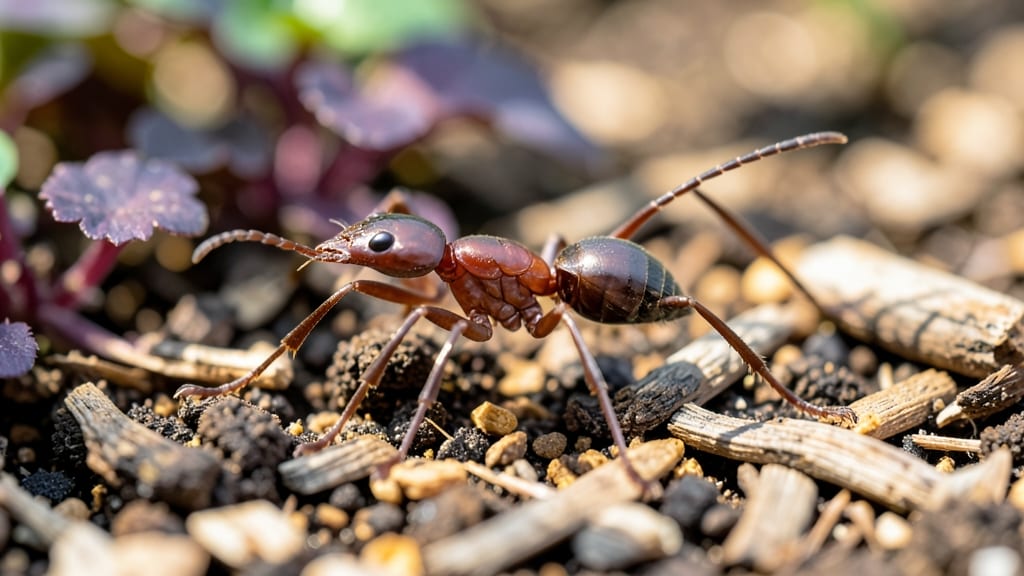
How to get rid of ants in mulch—it’s not just about fixing an eyesore, it’s about protecting your garden’s foundation. Those tiny invaders can wreak havoc on your mulch, turning it into a network of tunnels that drain nutrients from your soil and stress your plants. 🌱 I’ve spent years battling them, and the citrus-vinegar spray I perfected actually works—without harming your plants, pets, or the beneficial insects in your garden. No more digging up trails or watching your mulch become an ant superhighway. The secret? Disrupting their scent trails with a simple, natural solution that ants despise but won’t damage your garden’s ecosystem. Most store-bought sprays rely on harsh chemicals that can kill soil microbes and beneficial bugs. This method? Just a few household ingredients that keep ants away while keeping your garden thriving. By the end of this, you’ll have a foolproof spray that repels ants for weeks, plus a few extra tricks to stop them from coming back. No more losing mulch to tunnels or seeing your plants suffer from their foraging. Let’s reclaim your garden. Works for all mulch types—wood chips, straw, or shredded leaves—and even helps deter other pests like earwigs. The best part? You’ll know exactly what’s in the spray, so it’s safe for kids and pets too.
The Hidden Lures Drawing Ants
Ants don’t just wander into mulch by accident—they’re following a trail of invisible cues that make your garden look like an all-you-can-eat buffet. Understanding these triggers is the first step to outsmarting them. Let’s break down the science behind why your mulch becomes an ant hotspot.
Ants are opportunistic foragers, and mulch provides a perfect microhabitat for two of their favorite foods: sugary sap and protein-rich prey. Here’s how it happens:
- Plant Sap: Many plants (especially fruit trees, berries, and even some flowers) release sticky, sugary sap through tiny pores. Ants farm these sugars by tapping into plant roots or stems, then recruit others to harvest it. Mulch traps moisture, keeping sap-producing plants thriving—and ants even more active.
- Decaying Organic Matter: As mulch breaks down, it creates a protein buffet for ants. Dead insects, worm castings, and decomposing plant material release amino acids and fats that ants crazy-crave. This is why you’ll see trails near fresh mulch or compost piles.
- Honeydew Highways: If your yard has aphids, mealybugs, or scale insects, they excrete honeydew—a sugary waste product. Ants herd these pests to farm the honeydew, and mulch provides the perfect shelter for both the pests and their ant bodyguards.
Pro Tip: 🔍 Check for sticky residue on leaves or mulch—it’s a dead giveaway that ants are farming sap or honeydew. If you spot aphids, disrupt their ant protection by spraying them with soapy water first.
Mulch isn’t just food—it’s a five-star hotel for ants. Here’s why:
| Why It Attracts Them | How Mulch Creates the Perfect Conditions |
|---|---|
| 💧 Consistent Moisture | Mulch retains water like a sponge, keeping the soil damp. Ants need high humidity to survive, especially their larvae. Dry mulch? They’ll leave. Too wet? They’ll thrive—and recruit more workers. |
| 🏠 Protected Nesting Sites | Loose mulch provides undisturbed tunnels for ant colonies to expand. Unlike hard soil, mulch is easy to dig into, making it ideal for satellite nests (smaller colonies that support a main nest). |
| 🌡️ Temperature Regulation | Mulch acts as insulation, keeping the soil cooler in summer and warmer in winter—exactly what ants need to raise their brood. This is why you’ll see more ant activity in mulched beds than in bare soil. |
Pro Tip: ✨ Reduce mulch depth around problem areas (keep it to 2–3 inches max) to limit nesting space. If moisture is the issue, improve drainage by adding sand or gravel beneath the mulch.
Ants don’t just follow food—they follow each other. Here’s how their communication superpowers turn mulch into a superhighway:
- Pheromone Paths: Worker ants deposit chemical trails (pheromones) to mark food sources. Once one ant finds a sweet spot in your mulch, she lays down a scent trail, and hundreds more follow within minutes. These trails can stretch 100+ feet from the nest!
- Recruitment Signals: When ants find protein (like dead insects in mulch), they perform dance-like movements to rally reinforcements. The more food, the more ants double down on the location.
- Nest Proximity: If an ant nest is already nearby (under a rock, in a tree, or even in your house walls), mulch becomes a shortcut to food. They’ll use it as a highway rather than digging through soil.
Pro Tip: 🎯 Disrupt trails early—if you see a single ant, interrupt its path with a barrier (like diatomaceous earth or vinegar) before the colony mobilizes. Once trails are established, eradicating them becomes 10x harder.
Not all mulch is created equal when it comes to ant attraction. Some materials are ant magnets, while others are neutral or even repellent:
| Mulch Type | Why Ants Love/Hate It |
|---|---|
| 🍂 Wood Chips/Shredded Bark | Ant paradise. Breakdown releases sugars and proteins, and the texture is perfect for tunneling. Worst offender for carpenter ants. |
| 🌿 Straw/Hay | Attracts ants due to seed oils and decaying plant matter. Also provides shelter for pests like aphids (which = honeydew = ant buffet). |
| 🪵 Pine Needles | Less attractive because of their acidic pH, but still retain moisture—ants may use them as a transit zone rather than a home. |
| 🪴 Gravel/Rock Mulch | Ants avoid it—no food sources, no moisture retention. However, it doesn’t solve existing infestations; it just blocks new trails. |
| 🌱 Living Mulch (Clover/Cover Crops) | Can attract ants if it produces nectar or sap, but some varieties (like creeping thyme) naturally repel them. |
Pro Tip: 🔥 Switch to cedar mulch—its natural oils are ant-deterrent. Or try gravel borders around mulched areas to create a natural barrier.
Practical fixes for mulch ants
Ants in mulch can feel like an endless battle, but with the right strategies, you can reclaim your garden beds and keep those tiny invaders at bay. The key is targeting the root causes—whether it’s food, shelter, or moisture—while using methods that are effective and eco-friendly.
Below, we’ve mapped out cause-specific solutions, from quick fixes to long-term prevention, so you can tackle the problem without harsh chemicals.
Ants are drawn to mulch because it’s a buffet for them and their larvae. Cut off their supply, and they’ll move on.
🍋 Citrus & Vinegar Spray (Natural Repellent)
Ants hate the scent of citrus and vinegar, and this combo is a game-changer. How to make it:
- Mix 1 cup white vinegar, 1 cup water, and 10 drops citrus essential oil (lemon, orange, or lime) in a spray bottle.
- Shake well and spray directly on ant trails, mulch edges, and garden beds.
- Reapply after rain or every 3–4 days for best results.
Why it works: The acidity disrupts their scent trails, and the citrus oil masks pheromones they use to recruit more ants.
🥔 Remove Attractants from Mulch
Ants love sweets, proteins, and greasy residues. Inspect your mulch for:
- Fruit scraps (even small pieces)
- Pet food or fallen birdseed
- Spilled drinks/snacks near garden beds
Fix: Clear debris immediately and store compost bins far from mulched areas.
🌾 Use Diatomaceous Earth (DE) as a Barrier
Food-grade DE is a fine powder that dehydrates ants on contact—no harm to plants or pets if applied correctly. How to apply:
- Sprinkle a thin layer along the perimeter of mulched beds (about 1–2 inches wide).
- Gently work it into the top layer of mulch near ant entry points.
- Reapply after rain or every 2 weeks.
Pro tip: 💡 Avoid overapplying—too much can clump and reduce effectiveness.
Mulch provides the perfect cozy hideout for ants. Make it less appealing by altering their environment.
🔥 Heat Treatment for Active Nests
If you spot large mounds or trails leading to underground nests, heat can force them out. How to do it:
- Fill a spray bottle with boiling water (or use a steam wand if available).
- Pour it directly into ant holes or along trails.
The heat will kill larvae and disrupt the colony. - Repeat 2–3 times over 2–3 days for stubborn nests.
Safety note: ⚠️ Avoid burning mulch—stick to water or steam to prevent fire hazards.
🪴 Adjust Mulch Depth & Texture
Thick, compacted mulch traps moisture and invites ants.
Lighten it up: - Fluff mulch occasionally with a rake to improve airflow. - Mix in coarse materials like pine bark or straw to deter nesting. - Reduce depth to 2–3 inches—ants prefer deeper, damp layers.
🌿 Plant Ant-Repelling Ground Covers
Strategically placed plants can confuse ants and mask scent trails. Try:
- Mint (crush leaves to release scent)
- Lavender (strong fragrance deters pests)
- Marigolds (natural insect repellent)
- Tansy (ants avoid its bitter taste)
Bonus: 🌱 These plants also attract pollinators and add beauty to your garden!
Ants thrive in damp conditions. Reduce their comfort zone with these tweaks:
🌡️ Improve Drainage
Stagnant water in mulch is an ant magnet. Ensure your garden beds:
- Have slight slopes to allow water runoff.
- Use gravel or sand at the base before adding mulch.
- Avoid overwatering—ants seek out soggy spots.
☀️ Sunlight as a Deterrent
Ants prefer shaded, humid areas. If your mulched beds are in low-light spots:
- Trim overhanging branches to increase sunlight exposure.
- Choose lighter-colored mulch (like pine straw) to reflect heat.
🚿 Use a Dehumidifier for Greenhouses
If ants are invading greenhouse mulch, a small dehumidifier can work wonders. Aim for 40–50% humidity to make the environment less inviting.
Once you’ve kicked the ants out, keep them from returning with these low-maintenance habits:
- 🔄 Rotate mulch types (e.g., switch between cedar and straw) to confuse ants.
- 🕒 Apply prevention sprays seasonally (spring and fall) as a deterrent.
- 🐛 Monitor for fire ants—they require different treatments (like bait stations).
- 🌿 Keep grass trimmed around mulched areas to eliminate ant highways.
Final thought: The best offense is a consistent routine—check mulch weekly for signs of ants, and act fast at the first sign of trouble. With these methods, you’ll enjoy a pest-free garden without resorting to toxic sprays! 🌿✨
Frequently asked questions
Why do ants suddenly appear in my mulch after it's been fine for months?
Seasonal changes trigger ant activity—warmer weather and increased moisture make mulch an ideal nesting spot. Rain also washes away natural repellents and exposes hidden food sources like decomposing plant matter. Check for new attractants like fallen fruit or pet food that may have appeared recently.
Will vinegar spray harm my plants if I use it regularly?
No, when used correctly, vinegar spray is plant-safe! The diluted solution (1:1 ratio) won't damage most garden plants. However, avoid spraying directly on leaves—target only mulch edges and ant trails. For acid-sensitive plants like azaleas, use the spray only in early morning to prevent leaf burn.
How long does it take to see results from diatomaceous earth? You should notice a difference within 24-48 hours as ants dehydrate upon contact. For complete colony elimination, apply consistently for 5-7 days.
Can I use coffee grounds as an ant deterrent in mulch?
Yes! Coffee grounds are excellent for repelling ants when used properly. Sprinkle a thin layer (about ¼ inch) along mulch edges or mix lightly into the top layer. The caffeine disrupts their scent trails, but avoid overapplying—too much can make the soil too acidic for some plants.
What should I do if I find fire ants instead of regular ants?
Fire ants require different treatment—never use vinegar or citrus sprays as they can provoke aggressive attacks. For fire ants, use bait stations with pyrethrin-based products or professional-grade insect growth regulators. Always follow label instructions and keep children/pets away during treatment.