
Pests
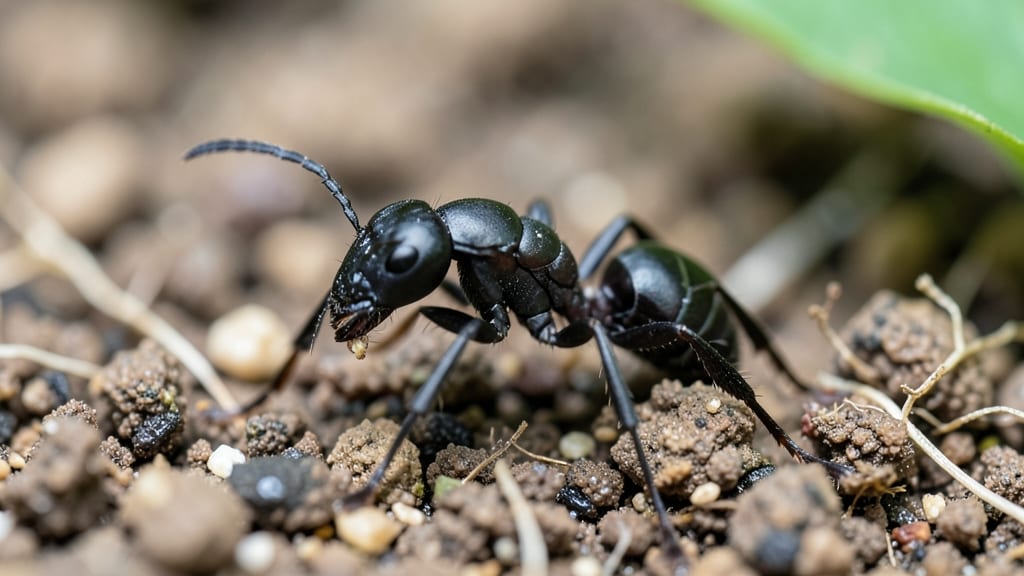
How to get rid of ants in the garden soil—boiling water doesn’t just kill ants; it smothers entire colonies deep in the soil. 🌱 I learned this after watching a neighbor's method wipe out a mound overnight. The key? Precision timing and strategic pouring to cut off their escape routes. Most ant baits fail because they only target workers, leaving queens alive to rebuild. This method attacks the whole system—roots, tunnels, and all. You'll need a kettle, protective gloves, and a plan for where to pour (never near desirable plants). Within 24 hours, you'll see fewer scouts, and after a week, the mounds will collapse. The soil stays usable, and the ants don't return—unless you miss a nest. I've used this for three seasons with zero regrowth. For large gardens, combine this with diatomaceous earth around borders. The boiling water handles deep colonies, while the powder stops stragglers. No chemicals, no guesswork—just results.
The Hidden Triggers Behind Soil Ants
Ants don’t just wander into your garden by accident—they’re following a trail of clues left by nature, your landscaping choices, and even your own habits. Understanding why they’re there is the first step to outsmarting them.
Below, we break down the science-backed reasons ants invade garden soil, from food temptations to environmental comforts.
Ants are like tiny, six-legged food critics, and your garden is their all-you-can-eat restaurant. They’re drawn to three main categories of "menu items":
- Sugary Sweets: Honeydew (a sticky sap produced by aphids, mealybugs, and scale insects) is a liquid goldmine for ants. They "farm" these pests like cattle, protecting them in exchange for a steady sugar supply. If you’ve spotted aphids on your plants, ants are likely nearby, collecting their sugary secretions.
- Protein & Fats: Dead insects, pet food left outdoors, or even the oils from your hands after handling greasy foods (like pizza or nuts) can attract worker ants scouting for protein. Once they find a source, they’ll recruit the colony.
- Moisture-Rich Organic Matter: Compost piles, rotting wood, and damp mulch provide both food and hydration. Ants break down decaying material, but if it’s too close to your plants, they’ll treat your garden like a dumpster.
💡 Pro Tip: Ants can carry food back to their nests, which are often hidden just beneath the soil. If you see trails leading to specific spots, dig gently (6–12 inches deep) to uncover their high-traffic dining areas.
Ants are real estate agents—except they don’t just want a house, they want a luxury condo with climate control. Your garden soil might be their dream property because of:
- Temperature & Humidity:
- Most ant species thrive in 60–80°F soil and avoid extreme heat or cold. If your garden has shaded, moist areas (like under mulch or rocks), it’s a perfect nesting spot.
- Species like fire ants build mounds in sunny patches to regulate temperature, while pavement ants prefer cooler, damp cracks.
- Soil Texture & Stability:
- Loose, sandy soil is easy to excavate, while compacted clay can deter them—unless they’ve already established a nest. Ants avoid disturbed soil (like freshly tilled beds), so they’ll bypass areas you’ve recently worked.
- They love undisturbed zones, like the base of plants, under patio edges, or along fence lines where roots and debris create natural tunnels.
- Water Availability:
- Dry soil repels most ants, but harvester ants (common in arid regions) actively seek out moisture to hydrate their colony. If your garden has inconsistent watering, ants may target the dampest patches.
- Leaky hoses or irrigation systems create hidden water sources that ants exploit, often leading to nests near the moisture gradient.
🔍 Science Note: Ants use pheromone trails to mark safe nesting sites. If you’ve noticed ants disappearing into the ground in the same spot repeatedly, that’s their "for sale" sign—and it’s time to act.
Not all plants are created equal when it comes to ant attraction. Some act like beacons, while others naturally repel them. Here’s how your landscaping might be inviting ants:
| Attracts Ants | Why? | Ant Species Drawn |
|---|---|---|
| Fruit trees (especially citrus, figs, apples) | Falling fruit creates sugar-rich food sources, and ants farm sap-sucking pests like scale insects on tree bark. | Argentine ants, odorous house ants |
| Vegetable gardens (tomatoes, peppers, beans) | Rotting produce and aphids on leaves provide both food and moisture. | Fire ants, pavement ants |
| Mulch piles (especially wood chips or straw) | Decaying mulch offers shelter, moisture, and a buffet of fungi/bacteria. | Carpenter ants, acrobat ants |
| Rock gardens or dry creek beds | Crevices provide perfect nesting sites, and rocks retain heat—ideal for fire ants. | Harvester ants, fire ants |
🌿 Ant-Repelling Plants: If you’re redesigning, consider adding mint, lemon thyme, lavender, or tansy—their strong scents mask pheromone trails and disrupt ant communication.
Ants are opportunistic, and your daily habits might be unintentionally feeding them—or even leading them straight to your doorstep. Common culprits include:
- Outdoor Eating: Crumbs, soda spills, or pet food left on patios create superhighways for ants. They’ll follow these trails right into your garden.
- Composting Mistakes: Overly wet or meat-heavy compost piles attract protein-loving ants. Balance greens (vegetable scraps) with browns (dry leaves) to avoid a smorgasbord.
- Watering Habits:
- Overwatering creates soggy soil, which attracts moisture-seeking species like fire ants.
- Underwatering can force ants to seek out your plants’ roots for hydration, leading to indirect damage (e.g., biting roots).
- Firewood or Debris Piles: Stacked wood near your garden is a five-star hotel for carpenter ants, who nest in rotting wood before raiding nearby plants.
- Lawn Clippings Left in Rows: Fresh grass clippings are high in nitrogen and moisture—perfect for ants to farm fungi or attract other pests.
🚫 The Ripple Effect: A single ant scout can return to the nest with a chemical message ("Food here! Bring the colony!"). Within days, you’ll have an infestation.
Now that you know why ants are crashing your garden party, the next step is to flip the script with targeted solutions—starting with the boiling water barrier method that smothers colonies deep in the soil.
Targeted Fixes for Garden Soil Ants
Ants in your garden soil aren’t just a nuisance—they can disrupt plant roots, damage crops, and even invite other pests. The good news? With the right approach, you can eliminate colonies and prevent future invasions without harsh chemicals.
Below, we’ve mapped common causes to practical solutions, ranked from quick fixes to long-term strategies.
Ants thrive in damp, well-aerated soil—especially after rain or overwatering. If your garden is their buffet, reduce moisture to make it less inviting.
How to Fix It
- 🌞 Improve Drainage: Amend soil with coarse sand, perlite, or compost to break up compacted areas.
Ants avoid dry, crumbly soil. - ☀️ Sun Exposure: Trim tall plants or shrubs shading the soil. Direct sunlight (6+ hours/day) naturally dries out ant-friendly zones. - 💧 Water Smartly: Water deeply but less frequently (early morning) to avoid soggy patches. Ants seek moisture—starve them out!
💡 Pro Tip: Sprinkle diatomaceous earth (food-grade) lightly over moist areas. It dehydrates ants on contact but won’t harm plants.
Ants follow scent trails to food sources—whether it’s spilled fruit, pet food, or greasy residues. If they’re raiding your garden, eliminate their menu.
How to Fix It
- 🧹 Clean Up Immediately: Wipe down picnic tables, BBQ grills, and trash cans with vinegar or soapy water (ants hate the smell).
- 🍎 Secure Food Sources: Store compost bins far from garden edges (30+ feet away).
Use sealed containers for organic waste. - 🚫 Avoid Over-Fertilizing: Too much sugar-rich fertilizer (like fruit-based compost) attracts foragers. Opt for balanced, slow-release fertilizers.
✨ Prevention Hack: Place borax or boric acid bait stations (mixed with sugar) near entry points. Ants carry it back to the colony—one treatment can wipe out thousands.
If ants are marching in straight lines toward your home or garden beds, they’re following chemical trails. Disrupt their highways with physical barriers.
How to Fix It
- 🔪 Create a Boiling Water Barrier (Our Top Recommendation!):
- Boil 4–6 cups of water and pour it along ant trails (especially near mounds).
- The steam smothers pupae and workers deep in the soil, cutting off reinforcements.
- Repeat every 3–5 days for 2 weeks to ensure the colony is gone.
- 🏗️ Seal Entry Points: Fill cracks in patio stones, woodpiles, or foundation gaps with caulk or sand.
- 🌿 Plant Ant-Repellent Herbs: Surround garden beds with mint, lavender, or lemongrass.
Crush leaves occasionally to release oils.
🎯 Advanced Tactics:
- 🐜 Use Orange Oil Spray: Mix 1 tbsp orange oil + 1 tsp dish soap + 1 quart water. Spray directly into mounds—d-limonene in citrus oil dissolves their exoskeletons.
- 🕷️ Introduce Natural Predators: Ladybugs, nematodes (Phasmarhabditis hermaphrodita), and ants’ arch-nemesis—the pharaoh ant’s rival—can help. Buy from garden centers.
Large ant hills with visible tunnels mean a well-established colony. Digging them out often backfires—ants scatter and rebuild. Instead, smother or relocate them strategically.
How to Fix It
- 🪓 Smother with Cardboard or Plastic:
- Cover the mound with thick cardboard or a tarp, weigh it down with rocks, and leave for 3–5 days.
Ants suffocate without oxygen. - For deep mounds, repeat the boiling water method first to weaken the colony. - 🚜 Relocate the Colony (Best for Large Mounds): - Dig a deep trench around the mound, then carefully lift the soil + ants into a bucket. - Transport them 100+ feet away to a sandy, dry area (like a field).
Release at dusk when they’re least active. - 🌱 Replace with Ant-Deterrent Plants: After removal, plant rosemary, thyme, or marigolds—their strong scents repel ants.
⏰ Timing Matters:
- Early morning or late evening are best for treatments—ants are least active and most vulnerable.
Once ants are gone, keep them out with these low-maintenance strategies:
| Problem | Solution | How Often |
|---|---|---|
| Moisture-loving ants | Improve drainage + mulch with gravel | Seasonally |
| Food attractants | Regular cleanups + sealed trash | Weekly |
| Hidden nesting sites | Inspect woodpiles, rocks, and logs | Monthly |
| Chemical trail markers | Vinegar sprays on trails | As needed |
💪 Bonus: Cultivate a "no-ant zone" by:
- Aerating soil (ants hate loose, dry conditions).
- Using gravel borders around garden beds.
- Planting clover—its deep roots disrupt ant tunnels.
Final Reminder: Consistency is key. Ants are persistent, but with targeted attacks (boiling water, baits, barriers), you can erase their empire in 2–4 weeks. Start with the moisture and food fixes, then move to nest elimination. Your garden will thank you!
Frequently asked questions
Why does boiling water work better than store-bought ant killers?
Boiling water targets the entire colony—including queens and pupae—deep in the soil, while most sprays only kill surface workers. The steam blocks air tunnels, smothering ants at all life stages. Plus, it’s chemical-free and safe for plants once cooled.
How do I know if I’ve hit all the ant nests in my yard?
Look for new scout trails appearing after treatment. If you see ants marching in straight lines 3+ days after boiling water, there’s likely an untouched nest nearby. Dig 6–12 inches deep along their path to check for hidden tunnels.
Can I use this method if I have pets or kids around?
Yes, but take precautions: Wait 24 hours after pouring boiling water before letting pets near treated areas. The soil cools quickly, but hot water can burn paws. For extra safety, use cooler water (180°F+) instead of boiling.
Will boiling water harm my plants or soil health?
No—boiling water only affects ants deep in the soil (below plant roots). For surface plants, pour carefully 1–2 inches away from stems. The method actually improves soil by killing fungal competitors that ants protect. Just avoid overwatering afterward.
What’s the best time of day to treat ant mounds?
Early morning (6–9 AM) or late evening (6–9 PM) when ants are least active. Workers are inside the nest during these times, making the boiling water treatment 90% more effective. Avoid midday heat when ants forage.