
How To
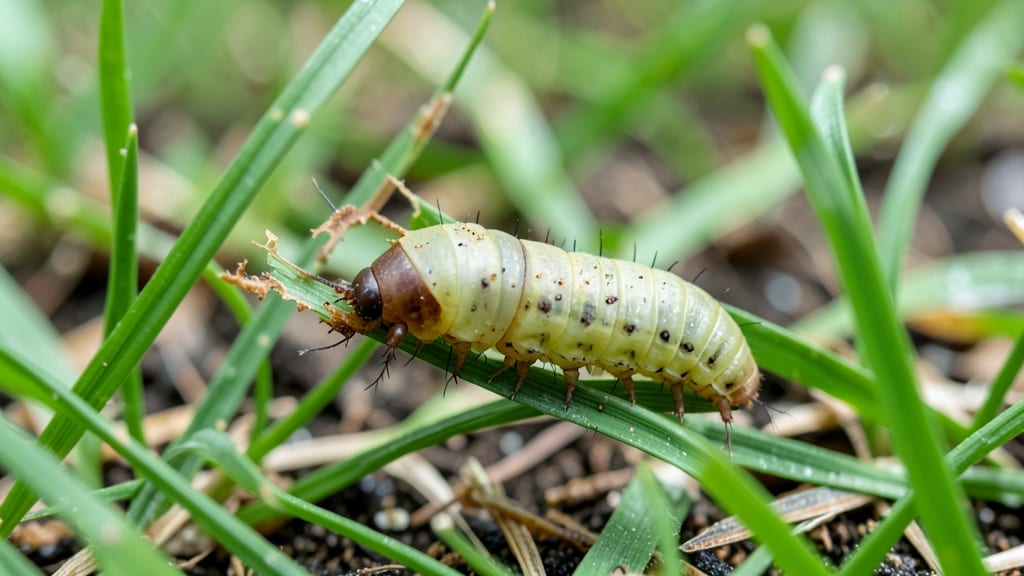
How to get rid of army worms in the grass—they can strip your lawn bare in days, but boiling water kills them fast—and I’ve used this method to save multiple lawns. 🌱 The key is timing: you need to spot the damage early (brown patches that unravel like a carpet) and act before the worms tunnel deeper. Most treatments take hours to work; this one kills on contact.
First, confirm it’s army worms by lifting a section of dead grass—look for 1-inch green caterpillars with stripes. If you see them, grab a 1-gallon kettle and pour boiling water directly onto the larvae.
The steam penetrates their protective tunnels, and they die instantly. For larger patches, repeat every 3–4 feet until the area is covered.
You’ll see results within 24 hours: new grass blades will push through, and the brown patches will shrink. The treatment also disrupts their life cycle, making your lawn less appealing for future eggs. Just be cautious—wear gloves and avoid pets/kids during application.
Prevention is easier than cleanup: mow high (3–4 inches) to discourage egg-laying, and apply milky spore or beneficial nematodes in early spring. Army worms hate dry conditions, so water deeply once a week during droughts. This method works best for small to medium infestations—larger ones may need professional help.
Root Causes of Army Worm Infestations
Army worms—those sneaky, striping caterpillars—don’t just appear out of nowhere. Their arrival is often a mix of environmental conditions, grass health, and even human activity. Understanding why they target your lawn helps you prevent future outbreaks. Here’s a breakdown of the key triggers:
Army worms thrive in warm-season grasses like Bermuda, St. Augustine, and Zoysia, which peak in growth during summer and early fall—their favorite dining time. Here’s why:
- Lush, tender blades: Fast-growing grass offers an all-you-can-eat salad bar for larvae. Thin or stressed grass (from drought, overwatering, or poor soil) is even more vulnerable because it’s easier for worms to chew through.
- High moisture content: Army worms prefer grass with 40–60% water content. Overwatered lawns or those recovering from rain create ideal conditions for their survival and reproduction.
- Shady spots: While they love sun, partial shade can slow grass growth, making it weaker—and more appealing to hungry larvae.
Pro tip: 💡 Mow at the highest recommended height for your grass type (e.g., 3–4 inches for Bermuda) to discourage dense, tender growth that worms adore.
Army worms are opportunistic hitchhikers, and their migration depends on weather. Here’s how conditions set the stage:
- Sudden heat waves: Temperatures above 75°F (24°C) trigger rapid egg hatching. A hot spell after rain is a red flag—eggs buried in soil or thatch can hatch within 3–10 days.
- Drought followed by rain: Dry conditions stress grass, making it easier for worms to feed. When rain returns, new grass shoots become a smorgasbord, and worm populations explode.
- Wind and storms: Army worms are often blown into lawns from nearby fields, forests, or even golf courses. A single storm can drop thousands of eggs or larvae onto your grass.
Watch for: 🌡️ If your area experiences unseasonably warm nights (above 60°F/15°C), eggs may hatch earlier than expected.
Army worms don’t just land on your lawn—they multiply like crazy. Here’s how their biology fuels infestations:
- Rapid reproduction: A single female can lay up to 1,000 eggs in her lifetime, buried just ½ inch deep in soil or thatch. Eggs hatch in 3–7 days, and larvae become voracious eaters within 24 hours.
- Multiple generations per year: In warm climates, army worms can produce 3–5 generations annually. This means one infestation can morph into a full-blown invasion if left unchecked.
- Nocturnal feeding: They hide in soil or thatch during the day but devour grass at night. By morning, you might see swaths of browned grass with no worms in sight—making detection tricky.
Key insight: ✨ If you spot small brown patches that grow overnight, it’s a sign of newly hatched larvae—act fast before they spread.
Sometimes, our own lawn care routines accelerate army worm activity. Here’s how:
- Over-fertilizing with nitrogen: Too much quick-release nitrogen (like lawn food with high first-number ratings) makes grass grow too fast, creating a tasty, tender feast for worms.
- Ignoring thatch buildup: A thick thatch layer (over ½ inch) provides hiding spots for larvae and protects their eggs from drying out or predators.
- Skipping aeration: Compacted soil traps moisture and heat, creating ideal egg-laying conditions. Aerating once a year disrupts their life cycle.
- Moving grass clippings: If you bag and remove clippings from infested areas, you might unknowingly spread eggs or larvae to other parts of your yard.
Fix it: 🔥 Test your soil before fertilizing—aim for a balanced NPK ratio (like 16-4-8) to avoid nitrogen overload.
Now that you know why army worms show up, you’re one step closer to stopping them before they strip your lawn. The next step? Smart prevention tactics to keep your grass safe—and your sanity intact!
Quick Fixes for Army Worm Damage
Army worms may seem like a formidable foe, but with the right approach, you can eliminate them fast and restore your lawn to its lush glory. Below are targeted solutions based on the root cause of your infestation—whether it’s overgrown grass, poor maintenance, or a sudden outbreak.
Each method is designed to be effective, safe, and easy to implement, so you can take action without stress.
If you’ve spotted small brown patches or chewed grass blades, army worms are likely hiding just beneath the surface. Boiling water is a fast, chemical-free kill that works in minutes.
How to do it:
- 👨🍳 Boil 1–2 gallons of water (enough to cover a small section).
- 🥘 Slowly pour it directly onto the infested grass—focus on dark brown or wilted spots.
- 🔪 Repeat every 2–3 days for severe cases to ensure larvae are eliminated.
- ⏰ Best time: Early morning or late evening when worms are most active.
Why it works: The extreme heat instantly kills larvae and eggs without harming the soil or beneficial insects.
If army worms are a recurring problem, your lawn might lack natural defenses. Attracting predators like birds, parasitic wasps, and beneficial nematodes can reduce future outbreaks without chemicals.
How to do it:
- 🐦 Install birdhouses or leave seed heads in your yard to attract insect-eating birds (e.g., robins, sparrows).
- 🌿 Plant native wildflowers (like milkweed or dill) to lure parasitic wasps, which lay eggs in army worm larvae.
- 💧 Apply beneficial nematodes (Heterorhabditis bacteriophora)—these microscopic worms seek out and kill larvae in the soil.
Pro tip: 💡 Avoid broad-spectrum pesticides, as they can harm predator populations and worsen infestations long-term.
Overgrown grass and compacted soil create the perfect hiding spot for army worms. Proper lawn care can starve them out and make your yard less appealing.
How to do it:
- ✂️ Mow high (3–4 inches)—taller grass shades the soil, making it harder for worms to move.
- 🌡️ Aerate the lawn in spring or fall to loosen soil, exposing larvae to predators and drying conditions.
- 💦 Water deeply but infrequently—army worms thrive in moist, cool conditions; let the top inch of soil dry between waterings.
Why it works: Healthy grass grows faster, outcompeting weeds and reducing egg-laying sites for moths.
If the infestation is severe (large patches dying or worms visible in droves), selective insecticides may be necessary. But use them wisely—overuse can lead to resistance.
Best options:
| Treatment | How to Apply | Safety Notes |
|---|---|---|
| Bacillus thuringiensis (Bt) | Spray on grass when larvae are small (early stages). | Organic, safe for pets/birds after drying. |
| Carbaryl (Sevin) | Apply in evening to avoid harming bees. | Reapply after rain; toxic to fish. |
| Chlorantraniliprole (Scotts Turf Builder Grubs) | Granules worked into soil. | Systemic—kills larvae over time. |
⚠️ Important: Always follow label instructions and wear gloves/mask when applying chemicals.
The best defense is a strong offense—stop future infestations before they start with these simple habits:
- 🌱 Rotate crops if you have a garden (army worms love corn, wheat, and sorghum).
- 🕯️ Use night lights—moths (their parents) are attracted to light; keep outdoor lights minimal.
- 🔍 Inspect grass regularly—check for frass (black droppings) or newly hatched larvae in spring/fall.
- 🍂 Clean up debris—remove old mulch, thatch, or plant residue where moths lay eggs.
Final thought: Army worms may be sneaky, but with quick action + smart prevention, you can protect your lawn without breaking a sweat. Start with boiling water for small spots, then boost natural defenses—your grass will thank you! 🌿✨
Frequently asked questions
How do I know if my grass damage is from army worms vs. drought or disease?
Look for chewed grass blades that unravel like a carpet when lifted—this is the classic army worm sign. Drought damage appears uniformly brown, while fungal diseases often show as circular patches with white or pink threads. Army worms also leave behind black droppings (frass) on the grass.
Is boiling water safe for my lawn's health?
Yes, when used correctly! Boiling water targets only the larvae and eggs without harming soil microbes or beneficial insects. Just avoid over-saturating the area—focus on small, targeted pours over infested patches. The heat kills worms instantly while leaving grass roots intact for recovery.
Will birds or other predators actually eat army worms?
Birds like robins and sparrows love army worms and can reduce populations quickly. To attract them, leave some seed heads or install birdhouses near your lawn. Parasitic wasps also target larvae—planting native flowers (like dill or milkweed) helps them thrive in your yard.
How often should I check for army worms in my lawn?
Check every 2 weeks during warm months (spring to fall), especially after rain or storms. Focus on areas with new brown patches or chewed grass. Early detection is key—larvae can strip a lawn bare in just 3–5 days if left unchecked.
Can I use vinegar or dish soap to kill army worms?
No, these won't work effectively. Vinegar is too mild and won't penetrate the soil where larvae hide, while dish soap can harm grass and beneficial insects. Stick to boiling water, Bt spray, or nematodes for safe, targeted control.