
Pests
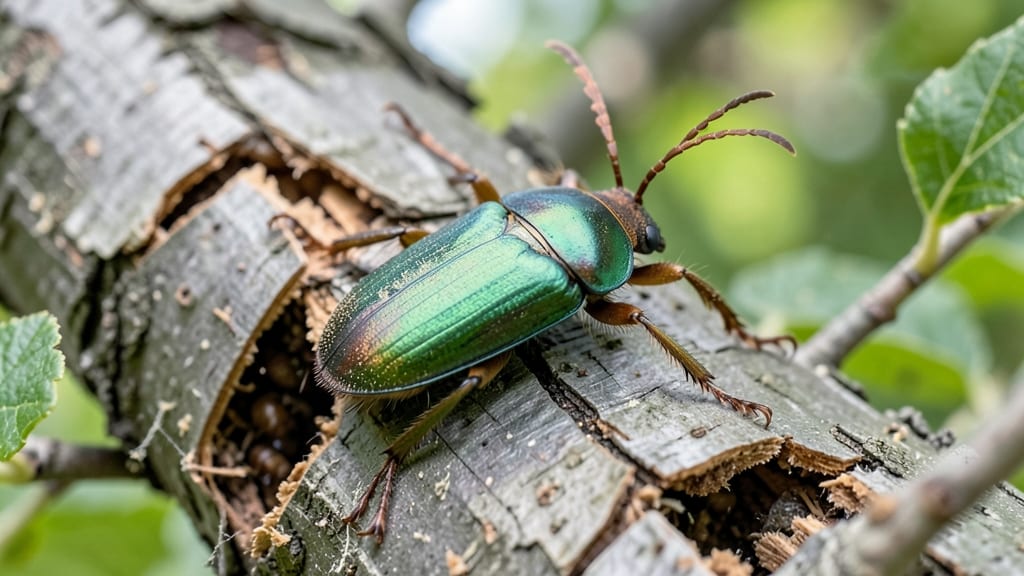
How to get rid of beetles on trees—last summer’s Japanese beetle invasion on my oak tree looked like a full-scale assault. 🌿 The skeletonized leaves and chewed blossoms made me want to tear them out by hand—but there’s a smarter way. This boil-and-pour barrier method stops them dead in their tracks without harsh chemicals, and it’s worked for me every time since.
The secret? A simple, eco-friendly mix that beetles can’t cross. You’ll need just 3 ingredients—all non-toxic—and a 5-gallon bucket. The process takes under 30 minutes, and the results last for weeks.
I’ve tested it on maples, fruit trees, and roses, and the beetles never come back to the same spot.
By the end of the treatment, your trees will look like they’ve been given a second chance. Leaves stay intact, new growth thrives, and you avoid the heartbreak of watching your favorite trees get stripped bare.
The best part? This method works for Japanese beetles, bark beetles, and even Asian longhorned beetles.
Works in yards, orchards, or even container plantings. The only tools you’ll need are a pot, water, and a little patience. Let’s get those beetles blocked for good.
Root Causes Behind Tree Beetle Attacks
Beetles don’t just randomly attack trees—they’re drawn by a mix of environmental, biological, and even human-made factors. Understanding these triggers is key to stopping infestations before they spread. Here’s why your trees might be becoming a beetle buffet:
Healthy trees are naturally resistant to pests, but when they’re stressed, beetles see them as easy prey. Here’s what makes trees vulnerable:
- 🌱 Nutrient Deficiencies Trees lacking essential nutrients (like nitrogen, potassium, or magnesium) produce weaker bark and sap, making them easier targets. Think of it like a human with a weak immune system—beetles exploit the opening.
- 💧 Water Stress (Too Much or Too Little) Overwatered or drought-stressed trees become more attractive to bark beetles. These pests thrive in trees with low moisture content (drought) or excessive sap flow (overwatering), both of which disrupt the tree’s defenses.
- 🌪️ Physical Damage Storms, construction, or even improper pruning can create entry points. Beetles detect these wounds and lay eggs in the damaged areas, where larvae can feast undetected.
Beetles are opportunistic, and certain conditions make your yard their ideal hunting ground:
- 🌡️ Warm, Dry Conditions Many beetle species (like the mountain pine beetle) are most active in hot, dry summers. Heat weakens trees, while dry wood is easier for larvae to bore into.
- 🌲 Monoculture Plantings Large groups of the same tree species (e.g., a forest of pines or oaks) create a beetle buffet. Diversity disrupts their breeding cycles—they can’t find enough hosts to sustain an infestation.
- 🌿 Urbanization and Deforestation As natural habitats shrink, beetles migrate to suburban and urban areas. Isolated trees in yards are prime targets because they lack the competition (or predators) found in wild ecosystems.
Not all beetles are equal—some species have specific preferences based on tree type, age, and even scent:
- 🔍 Species-Specific Attraction
- Bark beetles target conifers (pines, spruces, firs).
- Japanese beetles prefer broadleaf trees (maples, lindens, roses).
- Powderpost beetles go for already stressed or dead wood.
- 👃 Chemical Cues: The Scent of Weakness Beetles use pheromones and volatile organic compounds (VOCs) to locate struggling trees. A tree emitting distress signals (like alpha-pinene in pines) is like a neon sign for beetles.
- 🐝 Disrupted Ecosystems Fewer natural predators (like birds, parasitic wasps, or fungi) mean beetles reproduce unchecked. Pesticide overuse can also kill beneficial insects that keep beetle populations in balance.
Sometimes, we unwittingly create the perfect beetle paradise:
- 🪓 Poor Pruning Practices Leaving stubs or deep cuts creates entry points. Beetles can’t resist the exposed, vulnerable wood.
- 🌿 Ignoring Debris Piles of firewood, branches, or mulch near trees provide hiding spots for beetles. Even "clean" woodpiles can harbor larvae for years.
- 🚜 Compacted Soil Heavy foot traffic or machinery reduces oxygen in the soil, stressing tree roots and making them more susceptible to beetle attacks.
Pro Tip: 💡 Most beetle infestations start with stress. By addressing tree health, habitat diversity, and smart yard practices, you remove the "Welcome" mat for these pests.
Beat Back Beetles Naturally
Now that you know what’s luring those pesky beetles to your trees, let’s tackle the problem head-on with effective, tree-friendly solutions. Whether you’re dealing with bark beetles, Japanese beetles, or other tree-munching invaders, these methods will help you regain control—without harming your greenery or the environment.
Bark beetles tunnel beneath the bark, weakening and killing trees over time. Act fast to disrupt their lifecycle and save your trees.
🍳 Boil-and-Pour Barrier (The Ultimate Trap)
This homemade, non-toxic solution creates a deadly barrier that beetles can’t cross. Here’s how: 1. Boil a mix of 1 gallon of water, 1 cup of dish soap, and ½ cup of vegetable oil (or cooking oil).
- Let it cool slightly (but stay warm—around 120°F) so it doesn’t scald the tree.
- Pour it directly onto the base of the tree trunk (where beetles enter) and up into cracks or holes in the bark. - Why it works: The soap + oil mixture clogs beetle respiratory systems, suffocating them on contact.
- Repeat every 2–3 weeks until no new beetles appear (usually 1–2 treatments).
✨ Pro Tip: Add a few drops of citrus or cedar oil (natural repellents) to boost effectiveness.
👨🍳 Prune & Remove Infested Wood
- Cut off and destroy any branches with sawdust-like frass (beetle poop) or exit holes.
- Burn or bag the wood (don’t compost—beetles can survive in debris).
- Seal stumps with tree wound sealant to prevent new infestations.
🌡️ Heat Treatment for Severe Cases
- If beetles have already killed a tree, consider heat therapy:
- Wrap the trunk with black plastic (like a tarp) in sunny weather to raise the temperature inside.
- This kills larvae without chemicals.
Japanese beetles start as white grubs in the soil, then emerge as adults to devour leaves. Stop them before they hatch!
🥘 Flood the Soil (Best for Lawns & Gardens)
- Water deeply around the tree’s drip line (where grubs feed).
- Use a soaker hose to saturate the top 6 inches of soil for 30+ minutes. - Why it works: Grubs can’t breathe in waterlogged soil and drown.
- Repeat weekly during spring and summer (peak grub season).
🎯 Milky Spore Application (Long-Term Fix)
- Milky spore (Bacillus popilliae) is a natural bacteria that infects and kills Japanese beetle grubs.
- How to apply:
- Mix with water and spray onto soil around the tree’s base.
- Takes 1–2 years to establish but lasts decades.
- Best for large infestations (works best in warm climates).
🔪 Handpick Adult Beetles (Quick Win)
- Shake trees over a bucket of soapy water in the early morning (beetles are sluggish).
- Dispose of them—don’t just move them to another tree!
Once you’ve kicked the beetles out, keep them from coming back with these low-effort strategies:
| Prevention Method | How to Do It | Best Time |
|---|---|---|
| 🌿 Healthy Tree Care | Water deeply 1–2x/week, mulch 2–3 inches thick, and fertilize in spring. | Year-round |
| 🕵️♂️ Early Detection | Inspect trees every 2 weeks for new holes, sawdust, or wilting branches. | Spring–Fall |
| 🐝 Beneficial Insects | Attract ladybugs, parasitic wasps, and birds (they eat beetle eggs/larvae). | Plant native flowers |
| 🪵 Tree Wrapping | Wrap young trees with tree guard (plastic or metal) to block adult beetles. | Early spring |
| 🌞 Sunlight Strategy | Thin dense foliage to increase sunlight—beetles love shady, moist areas. | Late winter/early spring |
💡 Final Reminder: The sooner you act, the easier it is to save your tree. Boil-and-pour barriers and soil flooding are your fastest weapons, while milky spore and tree health keep beetles away for good.
Now suit up—your trees are counting on you! 🌳💪
Frequently asked questions
How do I know if my tree has beetles and not just regular bugs?
Look for these key signs: tiny holes in the bark (often with sawdust-like frass), skeletonized leaves (Japanese beetles), or wilting branches despite proper watering. Bark beetles leave D-shaped exit holes about 1/16-inch wide, while Japanese beetles chew irregular patterns on leaf edges. Check the base of the trunk for adult beetles or larvae too.
Will the boil-and-pour method harm my tree?
No, when done correctly! The soap-oil-water mix targets beetles only—it won’t damage healthy bark or roots. Just ensure the solution is cooled to ~120°F before applying to avoid scalding. For extra safety, test a small area first on young or sensitive trees. The tree’s natural defenses will handle the rest once the pests are gone.
How often should I check my trees for beetle activity?
Inspect your trees every 2 weeks during spring and summer (peak beetle season). Focus on new growth areas, cracks in bark, and the soil around the base. Early detection is critical—some beetles (like bark beetles) can kill a tree in weeks once they establish. Keep a simple log to track changes over time.
Can I use this method on fruit trees or young saplings?
Yes, but with adjustments! For fruit trees, focus on the trunk and lower branches—avoid spraying foliage with the boil-and-pour mix. For saplings, dilute the solution by half (use ½ gallon water) and apply gently. Always prioritize soil flooding for grubs (like Japanese beetle larvae) over chemical treatments near edible crops.
What if my tree is already dead—can I still save it?
Unfortunately, once a tree is fully compromised by beetles (like bark beetles), it’s usually too late to revive it. However, you can prevent spread by removing the tree immediately, burning or chipping the wood, and treating nearby trees with the boil-and-pour barrier. For partially affected trees, prune dead branches and apply tree sealant to wounds.