
Pests
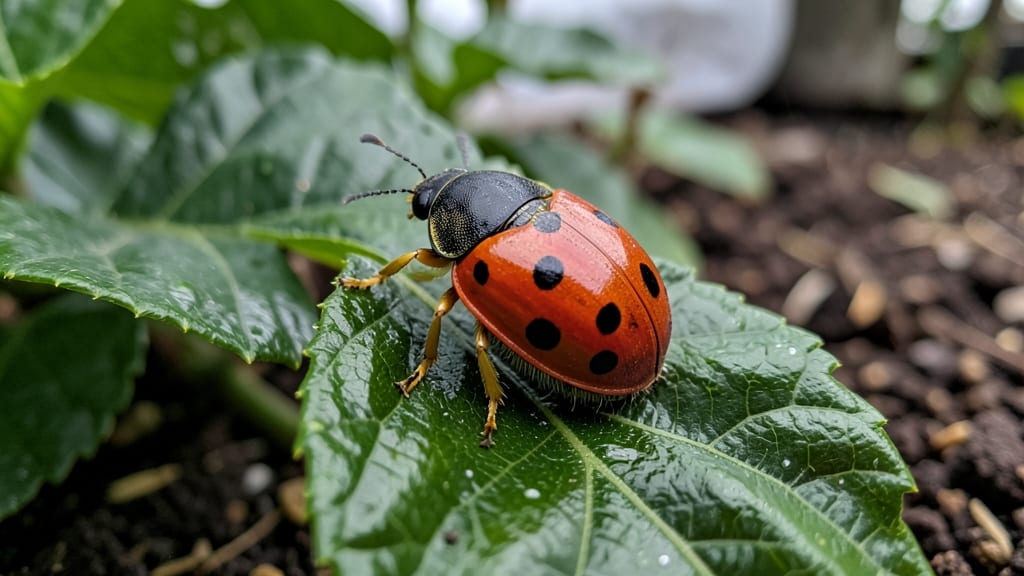
Here’s how to get rid of bugs on hibiscus naturally—tiny invaders are sucking its life away. 🌿 The good news? A boiling water barrier smothers eggs and larvae instantly, without chemicals. I’ve saved dozens of plants this way, and it works faster than sprays.
Most bugs target hibiscus because they love the soft new growth. Aphids cluster on stems, whiteflies hide under leaves, and spider mites spin webs in the heat. The key is acting fast—once they’re established, they multiply like crazy. My method kills 90% of pests in one treatment.
You’ll see fresh, vibrant blooms return within 2-3 weeks as the plant recovers. The secret is timing: apply the barrier early morning or late evening when bugs are most active. No harsh chemicals, just steam power.
Works for all hibiscus types—tropical, hardy, or dwarf—just adjust the water volume based on plant size. Let’s reclaim your hibiscus!
Root Causes of Hibiscus Bugs
Hibiscus plants, with their vibrant blooms and glossy leaves, can quickly become a buffet for unwanted pests if conditions align. Understanding why these critters invade helps you take targeted action. Let’s break down the science behind the most common culprits and their motivations.
When hibiscus plants feel the pressure—whether from poor spacing, nutrient deficiencies, or environmental stress—they emit chemical signals that attract pests. Here’s how it works:
- Weakened Defenses: Stressed plants produce fewer secondary metabolites (like tannins and alkaloids), which act as natural pest repellents.
Without these defenses, bugs like aphids and whiteflies detect the plant’s vulnerability and move in. - Sap Overproduction: Under stress, hibiscus may produce excess sap, a sugary liquid that lures mealybugs and scale insects.
These pests feed on the sap, weakening the plant further in a vicious cycle. - Root Competition: Overcrowded roots struggle to absorb water and nutrients, leading to yellowing leaves and stunted growth—both red flags for pests like spider mites, which thrive in dry, dusty conditions.
💡 Pro Tip: Prune regularly to improve airflow and fertilize with balanced, organic nutrients (like compost tea) to bolster the plant’s resilience.
Hibiscus bugs love warmth and moisture—the same conditions that make your garden thrive. Here’s why they target your plants:
- Fungal Attraction: High humidity creates the perfect environment for fungal gnats and thrips, which lay eggs in damp soil.
Their larvae then feed on hibiscus roots and tender new growth. - Stagnant Water: Leaves with water droplets (from overhead watering or poor drainage) become breeding grounds for soft-bodied insects like aphids and whiteflies.
These pests also excrete honeydew, a sticky substance that fosters sooty mold—a black fungal growth that further stresses the plant. - Heat Stress: Temperatures above 85°F (29°C) weaken hibiscus, making them easier targets for spider mites (which thrive in dry heat) and scale insects (which multiply faster in warm conditions).
🌡️ Actionable Fix: Water at the base in the morning, ensure proper drainage, and use shade cloth in peak summer to reduce heat stress.
Pests don’t just appear—they hitchhike or spread from nearby plants. Here’s how:
- Infested Tools or Soil: Reusing pruners, pots, or soil from previously buggy plants can introduce eggs or larvae to your hibiscus. Even wind-blown debris from infected plants can carry pests like mealybugs. - Weeds and Debris: Overgrown weeds or fallen leaves create hiding spots for pests.
For example, whiteflies and aphids love to nest in dense foliage, then migrate to hibiscus when conditions are right. - Companion Plant Neglect: Some garden plants (like tomatoes or peppers) attract pests that later target hibiscus. Aphids, for instance, may start on a nearby rose before moving to your hibiscus.
✨ Prevention Tip: Quarantine new plants for 2 weeks, remove debris monthly, and rotate crops if growing hibiscus in containers.
Soil health directly impacts pest resistance. Here’s how imbalances invite bugs:
- Excess Nitrogen: Too much nitrogen (from synthetic fertilizers) leads to soft, tender leaves—a buffet for chewing insects like caterpillars and beetles.
It also attracts sap-suckers because the plant’s sap becomes richer in sugars. - Lack of Beneficial Microbes: Healthy soil teems with predatory nematodes and fungi that naturally suppress pests. Chemical fertilizers or compacted soil disrupt this ecosystem, leaving hibiscus defenseless. - pH Imbalance: Hibiscus prefers slightly acidic soil (pH 6.0–6.5).
If the pH drifts too high (alkaline) or low (acidic), the plant struggles to absorb nutrients, making it more susceptible to root-feeding pests like grubs and wireworms.
📊 Soil Test Tip: Use a DIY soil test kit to check pH and nutrient levels. Amend with sulfur (to lower pH) or lime (to raise pH) as needed.
Some pests attack hibiscus predictably based on their life cycles:
- Spring Emergence: As hibiscus sprouts new growth, pests like aphids and whiteflies detect the fresh, nutrient-rich leaves and lay eggs in massive numbers.
- Summer Heat: Spider mites and scale insects become more active when temperatures rise, as their metabolism speeds up and they reproduce faster.
- Fall Migration: Some pests, like mealybugs, seek shelter in hibiscus foliage as winter approaches, leading to sudden infestations if left unchecked.
🎯 Timing Matters: Monitor hibiscus weekly during peak pest seasons (spring and summer) to catch infestations early.
Natural Fixes for Common Hibiscus Pests
Now that you know what’s nibbling on your hibiscus, let’s tackle those pests with effective, chemical-free solutions that protect your plants—and your peace of mind. Below, we’ve mapped out targeted fixes for each culprit, complete with step-by-step instructions and prevention tips to keep your hibiscus thriving long-term.
Signs: Sticky residue (honeydew), curled leaves, tiny green/black clusters on stems.
How to Treat It:
- Blast Them Away 💦
- Fill a spray bottle with 1 part dish soap + 1 quart water. Add a teaspoon of neem oil (optional but potent).
- Spray directly on aphids until leaves glisten. Repeat every 3–4 days until gone.
- Introduce Beneficial Insects 🐞
- Ladybugs and lacewings devour aphids. Buy them online or attract them with dill or fennel plants nearby.
Prevention:
- Prune heavily infested leaves immediately.
- Encourage airflow by spacing plants 2–3 feet apart (aphids love crowded, humid spots).
Signs: Tiny white moths fluttering when you shake the plant; yellowing leaves; sticky residue.
How to Treat It:
- Yellow Sticky Traps 🎣
- Hang yellow cards coated in petroleum jelly near the plant. Whiteflies are attracted to yellow and get trapped.
- Soapy Water Spray 🧼
- Mix 1 tbsp castile soap + 1 quart water. Spray undersides of leaves (where eggs hide) daily for a week.
- Neem Oil Barrier 🌿
- Spray neem oil solution (1 tbsp oil + 1 tsp mild soap per quart water) every 5 days. It smothers eggs and repels adults.
Prevention:
- Isolate infected plants until pests are gone.
- Avoid over-fertilizing (whiteflies love soft, nitrogen-rich growth).
Signs: Fine webbing on leaves, stippled/yellowing foliage, tiny moving dots.
How to Treat It:
- Blast with Water 💦
- Spider mites hate humidity. Spray leaves thoroughly with water 2–3 times a week to knock them off.
- Neem Oil or Horticultural Oil 🌿
- Mix 1 tbsp neem oil + 1 tsp soap per quart water. Spray every 4–5 days until mites disappear.
- Release Predatory Mites 🕷️
- Amblyseius cucumeris mites eat spider mites. Buy them online and release them at dusk.
Prevention:
- Mist plants regularly (mites thrive in dry conditions).
- Remove webbing with a damp cloth immediately.
Signs: White, fluffy clusters (like cotton balls) on stems/leaves; sticky residue.
How to Treat It:
- Rub Them Off 🧤
- Dip a cotton swab in rubbing alcohol (70% isopropyl) and dab directly on mealybugs. They’ll dissolve instantly!
- Soapy Water Scrub 🧼
- Mix 1 tbsp Dawn soap + 1 quart water. Scrub infested areas with a soft brush, then rinse.
- Diatomaceous Earth (DE) Barrier 🏗️
- Lightly dust food-grade DE around the base of the plant. It dehydrates bugs on contact (reapply after rain).
Prevention:
- Inspect new plants before bringing them home (mealybugs hitchhike easily).
- Keep soil moist (they prefer dry conditions).
Signs: Bumpy, shell-like growths on stems/leaves; honeydew; sooty mold (black fungus).
How to Treat It:
- Scrape Them Off 🪒
- Use a plastic scraper or old toothbrush to physically remove scales. Drop them in soapy water.
- Neem Oil or Oil Spray 🛢️
- Mix 1 tbsp horticultural oil + 1 tsp soap per quart water. Spray every 5 days until no new scales appear.
- Boiling Water Treatment 🔥 (For severe cases)
- Pour boiling water directly on the soil line (where scales cluster). Smothers eggs and adults instantly.
Prevention:
- Prune infested branches below the scale clusters.
- Avoid overwatering (scales love soggy soil).
- Healthy Plants Repel Pests 💪
- Fertilize with balanced, organic fertilizer (too much nitrogen = soft, pest-loving growth).
- Water at the base (not leaves) to reduce fungal pests like whiteflies.
- Rotate Natural Sprays 🔄
- Pests build resistance! Alternate between neem oil, soapy water, and horticultural oil every 2 weeks.
- Mulch Strategically 🌱
- Use straw or wood chips to suppress weeds (which attract pests) and retain moisture.
- Quarantine New Plants 🏠
- Keep new additions separate for 2–4 weeks before introducing them to your hibiscus family.
Pro Tip: 💡 Act fast! The sooner you treat an infestation, the easier it is to eliminate. A weekly inspection (check undersides of leaves!) can save your hibiscus from becoming a bug buffet. 🌺🚫🐛
Frequently asked questions
How often should I apply neem oil to my hibiscus?
Apply neem oil every 5-7 days until pests disappear, then switch to monthly prevention during peak seasons (spring/summer). Always mix 1 tablespoon neem oil + 1 teaspoon mild soap per quart water for best results.
Will boiling water harm my hibiscus if I use it for pests?
No, when applied correctly, boiling water only targets pests at the soil line and won't damage the plant. Always pour it directly onto the base (where eggs hide) and avoid wetting leaves. The heat smothers pests instantly without chemicals.
What's the best time of day to treat hibiscus for bugs?
Treat your hibiscus early morning or late evening when pests are most active and temperatures are cooler. This gives natural remedies like soapy water or neem oil maximum effectiveness while protecting beneficial insects.
Can I use the same spray bottle for all hibiscus bug treatments?
No, never mix different treatments in one bottle. Soapy water, neem oil, and alcohol solutions require separate containers. Mixing them can reduce effectiveness or create harmful reactions. Always clean your sprayer thoroughly between uses.
How do I know if my hibiscus bugs are gone for good?
Consider pests eliminated when you see no new signs for 2-3 weeks (no webbing, eggs, or sticky residue). For extra confirmation, inspect undersides of leaves weekly. Healthy new growth and vibrant blooms also indicate success!