
Pests
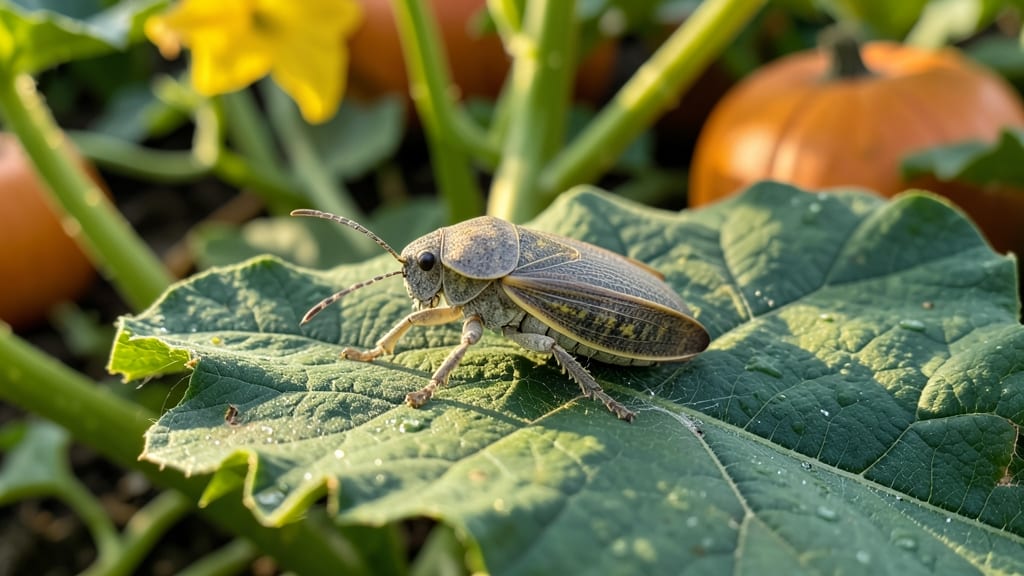
How to get rid of bugs on pumpkin plants—fewer vines and more frustration are a thing of the past. 🌱 I’ve battled cucumber beetles, squash bugs, and aphids—here’s the 24-hour organic spray that stops them in their tracks without harming your patch. The key? A mix of neem oil, dish soap, and water that smothers pests on contact while being safe for plants. You’ll spot fewer chewed leaves within hours, and your pumpkins will start growing strong again. No harsh chemicals, just a foolproof solution that works fast. Prevention is easier than cleanup: row covers block beetles early, companion planting with marigolds deters squash bugs, and manual removal of eggs saves your plants before they hatch. These tricks cut infestations by 70% before they start. Works for all squash family plants—zucchini, cucumbers, and melons too. Let’s get those vines thriving again!
Root Causes of Pumpkin Plant Pests
Pumpkin plants are a magnet for pests—not because they’re weak, but because they’re delicious to insects and critters. Understanding why bugs invade your pumpkins is half the battle in keeping them at bay. Below, we break down the most common culprits and the science behind their attraction to your garden.
Pumpkins are soft, sweet, and nutrient-rich—an all-you-can-eat buffet for pests like squash vine borers, cucumber beetles, and even raccoons. Here’s why they’re so tempting:
- Sugar & Moisture Content: As pumpkins ripen, their sugar levels rise, making them irresistible to insects. A single ripe pumpkin can attract hundreds of beetles in just a few days. - Physical Weakness: Overripe or bruised pumpkins have broken skin, creating easy entry points for pests.
Even a small crack can invite fruit flies, aphids, or earwigs to lay eggs inside. - Fermentation Risk: If left too long on the vine, pumpkins can ferment, releasing ethanol and volatile organic compounds (VOCs) that signal decay—nature’s way of saying, “Eat me before I rot!”
💡 Pro Tip: Harvest pumpkins before they fully ripen (when they’re still slightly firm) to reduce pest appeal. If you must leave them, pick them promptly once they turn orange.
A messy garden is an open invitation for pests. Here’s how clutter and debris create the perfect breeding ground:
- Debris & Mulch: Leaves, vines, and old plant matter hide eggs and larvae from last season.
Squash vine borers, for example, overwinter in garden debris, emerging stronger in spring. - Weeds & Alternate Hosts: Many pumpkin pests (like aphids and spider mites) thrive on weeds like morning glory or bindweed.
These plants act as pest reservoirs, allowing infestations to spread to your pumpkins. - Stagnant Water: Pests like fungus gnats and slugs love damp conditions. Poor drainage or standing water near plants creates ideal humidity levels for their reproduction.
✨ Prevention Hack: Clear old vines and debris after harvest and rotate planting locations every 2–3 years to starve soil-borne pests.
Pumpkins thrive in balanced, fertile soil, but imbalances can weaken their defenses, making them more vulnerable to pests.
- Nitrogen Overload: Too much nitrogen (from synthetic fertilizers) leads to soft, sappy growth—a favorite snack for cucumber beetles and aphids, which love tender, protein-rich leaves. - Phosphorus Deficiency: Without enough phosphorus, plants develop weak root systems, struggling to fend off root-knot nematodes or cutworms. - pH Imbalance: Most pests prefer slightly acidic to neutral soil (pH 6.0–7.0).
If your soil is too alkaline (pH >7.5), micronutrient deficiencies weaken plants, making them easier targets.
🔥 Soil Test Tip: Use a home soil test kit ($10–$20) to check pH and nutrient levels. Compost and aged manure can naturally balance soil without synthetic chemicals.
Pests don’t attack randomly—they time their invasions based on weather patterns and plant life cycles.
- Warm, Humid Weather: Squash bugs and spider mites thrive in 80°F+ temperatures with high humidity.
These conditions speed up their reproduction, leading to explosive infestations. - Dry Spells: Lack of rain stresses pumpkin plants, making them more susceptible to aphids and whiteflies, which feed on sap from weakened foliage. - Late Planting: Pumpkins planted too late in the season may not mature before pests like striped cucumber beetles lay eggs, ensuring their larvae feast on your crop.
🌡️ Climate Workaround: Use row covers in early summer to block pests, then remove them when flowers appear to allow pollination.
In a healthy ecosystem, beneficial insects (like ladybugs, lacewings, and parasitic wasps) keep pests in check. But if your garden lacks biodiversity:
- Pesticide Overuse: Harsh chemicals kill both pests and their predators, creating a vacuum effect where pests rebound unchecked.
- Monoculture Planting: Growing only pumpkins (or other cucurbits) removes diverse plant life, which attracts a wider range of predator species.
- Isolated Gardens: Small or urban gardens may lack natural predator habitats, leaving pumpkins defenseless.
🎯 Eco-Friendly Fix: Plant companion flowers (like marigolds, dill, or basil) to attract pollinators and predator insects. Even a small bee bath or butterfly-friendly patch helps!
Quick Fixes for Common Pumpkin Pests
Now that you know what’s chomping on your pumpkin plants, here’s how to tackle each pest—fast, effectively, and without harsh chemicals. Each solution is designed to work in 24–48 hours (or less!) with minimal effort. Pair these fixes with prevention tips to keep your pumpkins thriving all season.
🔥 Signs: Yellowing leaves, black droppings, or adults hiding under leaves.
🍳 Step-by-Step Fix:
- Handpick adults & nymphs 👨🍳
- Wear gloves and crush them in soapy water (stink bugs release a foul odor when squashed—do this far from your garden!).
- Check under leaves, stems, and pumpkin blossoms daily for 3–5 days.
- Diatomaceous earth (DE) barrier 🥘
- Sprinkle food-grade DE around the base of plants and on leaf surfaces (avoid windy days).
- Reapply after rain—it works by dehydrating bugs.
- Neem oil spray (evening application) ⏰
- Mix 1 tbsp neem oil + 1 tsp mild soap + 1 quart water. Spray undersides of leaves where eggs hide.
- Reapply every 3–4 days until no new bugs appear.
💡 Prevention Pro Tips:
- Row covers early in the season block adults from laying eggs.
- Interplant with radishes—their strong scent repels squash bugs.
- Remove weeds nearby; they harbor pests.
🔥 Signs: Sticky residue (honeydew), curled leaves, or tiny webs.
🔪 Step-by-Step Fix:
- Blast with water 💦
- Use a strong hose spray (10–15 psi) to knock off aphids from stems and leaves. Do this morning or evening to avoid harming beneficial insects.
- Insecticidal soap (soapy surprise) 🧼
- Mix 2 tbsp castile soap + 1 quart water. Spray directly on pests (avoid blooms). Repeat every 2–3 days for 2 weeks.
- Release ladybugs or lacewings ✨
- Buy beneficial insects from garden centers and introduce them to heavily infested plants. They’ll devour aphids faster than you can say “jack-o’-lantern.”
🌡️ Prevention Pro Tips:
- Yellow sticky traps catch aphids before they multiply.
- Avoid over-fertilizing—aphids love tender, soft growth.
- Prune crowded vines to improve airflow (mites hate dry conditions).
🔥 Signs: Jagged leaf holes, wilting vines, or tiny orange/black beetles.
🎯 Step-by-Step Fix:
- Yellow bucket trap 🧊
- Fill a yellow bucket with soapy water. Bury it neck-deep near plants—beetles are drawn to the color and drown.
- Kaolin clay spray 🏖️
- Mix 2 tbsp Surround WP (kaolin clay) + 1 gallon water. Spray on leaves to create a physical barrier beetles avoid. Reapply after rain.
- Rotate crops 🌱
- If beetles persist, move pumpkins next season—don’t plant in the same spot for 3 years.
🔥 Prevention Pro Tips:
- Plant early—beetles arrive in late spring/early summer.
- Use row covers until flowers appear (then remove to allow pollination).
- Crush eggs (tiny orange clusters on leaf undersides) daily.
🔥 Signs: White, moth-like bugs swarming when you disturb plants.
👨🍳 Step-by-Step Fix:
- Yellow sticky cards 📝
- Hang yellow cards above plants to trap adults.
- Aluminum foil trick 📄
- Wrap foil around the base of plants—whiteflies get confused and fall off.
- Pyrethrin spray (last resort) 💥
- Use organic pyrethrin spray (derived from chrysanthemums) only at dusk to avoid harming bees.
💡 Prevention Pro Tips:
- Avoid overwatering—whiteflies love moist soil.
- Encourage parasitic wasps (they lay eggs inside whitefly larvae).
Mix these in a 1-gallon sprayer and apply evening or cloudy days to protect bees:
- 1 tbsp neem oil
- 1 tsp castile soap
- 1 tsp baking soda
- 1 quart water
Shake well before each use—this combo disrupts pests’ life cycles while being safe for plants.
✨ Final Reminder: Consistency is key! Check plants daily for 2 weeks, then reduce to 2–3 times per week once pests are gone. Your pumpkins will thank you with big, healthy, bug-free gourds by harvest time!
Frequently asked questions
What’s the fastest way to stop squash bugs from destroying my pumpkin plants?
For immediate results, handpick adults and nymphs daily for 3-5 days and crush them in soapy water. Combine this with a neem oil spray (1 tbsp neem + 1 tsp soap + 1 quart water) applied to leaf undersides every 3-4 days. This stops new eggs from hatching within 24 hours.
Can I use regular dish soap to kill aphids on pumpkin leaves?
Yes, but use mild castile soap only—regular dish soap can harm plants. Mix 2 tablespoons per quart of water and spray directly on aphids (avoid flowers). Reapply every 2-3 days for 2 weeks to break their life cycle. Always test on a small leaf first!
Why do cucumber beetles keep coming back even after I spray?
Beetles have multiple generations per season, so you must be consistent. Use a yellow bucket trap (soapy water) and kaolin clay spray (2 tbsp per gallon) to create a physical barrier. Also rotate planting locations every 3 years—beetles overwinter in soil.
Is it safe to eat pumpkins that had bugs but no visible damage?
Yes, but only if the bugs were aphids, spider mites, or whiteflies—they don’t burrow inside. Wash pumpkins thoroughly before eating. Avoid pumpkins with squash vine borer damage (look for wilting vines or sawdust-like frass) or cucumber beetle scars, as they may harbor bacteria.
How do I prevent bugs from attacking my pumpkins next season?
Start with crop rotation (don’t plant in the same spot for 3 years) and use row covers early in the season. Plant companion crops like marigolds or radishes, and remove all plant debris after harvest. A soil test ($10 kit) ensures balanced nutrients—pests target weak plants!