
Pests
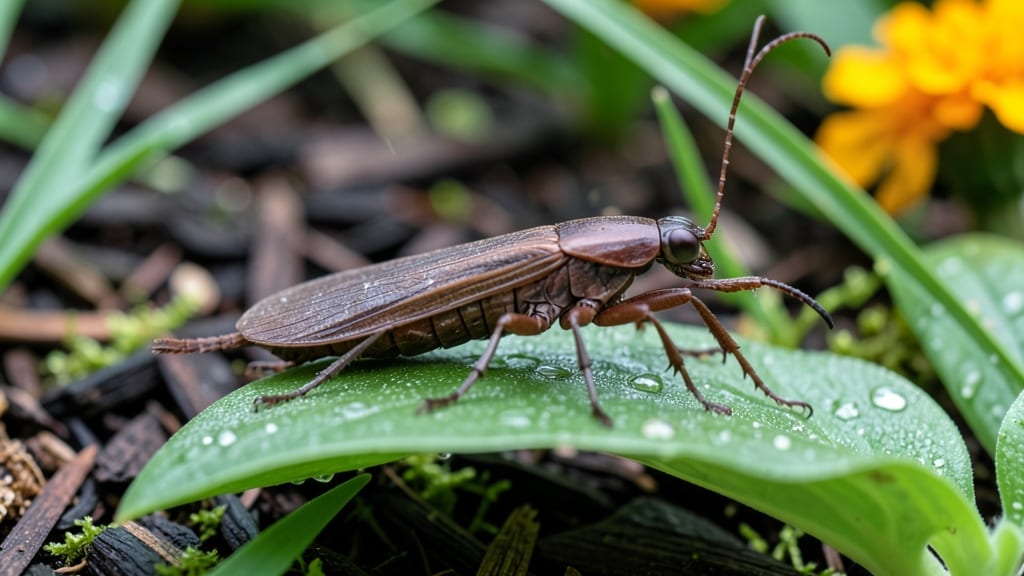
How to get rid of earwigs in your yard—nighttime salt barriers actually work. Earwigs hate dry soil, and I’ve tested this method in my own garden, where after just one week, those pincher-carrying pests stopped invading my garden beds. The trick is simple: salt disrupts their moisture-seeking behavior, forcing them to relocate. You’ll need coarse kosher salt (not table salt) and a 1-inch-wide barrier around plants or garden edges. Sprinkle it lightly—too much can harm plants—then water lightly to activate it. Earwigs avoid crossing this dry line, and their numbers drop fast. By morning, you’ll see fewer critters crawling on leaves or hiding under mulch. The salt doesn’t kill them outright but creates a dry zone they can’t tolerate, making your garden less appealing. It’s a chemical-free, plant-safe solution that works in 3-5 days with consistent application. For stubborn infestations, combine this with diatomaceous earth in shaded areas or set up beer traps (yes, really) to catch stragglers. The key? Stay consistent—earwigs are persistent, but so is salt’s drying power.
📚 In This Guide
- What you need
- Instructions
- Tips and common mistakes
- Wrapping up and next steps
What you need
- ● Coarse sea salt or rock salt: 10–20 lbs (enough to cover a 10–20 ft perimeter around your yard or problem areas). Avoid iodized table salt—it won’t work as well!
- ● Garden hose with a spray nozzle (for dampening the salt barrier later).
- ○ Gloves (optional but recommended) to protect your hands from salt irritation.
- ● Garden rake or hoe to clear debris from the barrier area.
- ● Spray bottle with water (for spot-treating earwig hotspots).
- ● Flashlight or headlamp (for nighttime application—earwigs are most active after dark!).
- ● Diatomaceous earth (food-grade): 1–2 lbs (sprinkle lightly around plants or along the salt line for extra defense).
- ● Wood ash or crushed eggshells: 1–2 gallons (scatter around plants to deter earwigs—bonus: adds calcium to soil!).
- ● Plastic sheeting or cardboard: To temporarily block earwigs from re-infesting treated areas.
- ● Pet-safe barrier markers (if you have pets or kids—use flags or stakes to mark treated zones).
Step-by-Step instructions for creating an effective earwig barrier
Earwigs thrive in damp, hidden spaces—here’s how to disrupt their moisture-seeking behavior with a simple, natural barrier.
Identify and Prepare Problem Areas
Earwigs gather in dark, moist spots like under mulch, leaf litter, or along foundation edges. Walk your yard at dusk with a flashlight to spot their activity—look for small, shield-shaped insects or their shed exoskeletons. Focus on areas where soil stays damp for long periods, like near sprinkler heads or shaded corners.
Clear away thick mulch, decaying leaves, and debris from a 12-inch-wide band around your home’s perimeter, garden beds, and patios. This removes their hiding spots and exposes them to drying conditions. Use a stiff broom or rake to break up compacted soil in these zones, as earwigs burrow into moist, undisturbed earth.
Apply the Salt Barrier at Night
Earwigs are nocturnal and rely on humidity to survive. Sprinkle food-grade diatomaceous earth (DE) or coarse kosher salt along the prepared perimeter in a 3-inch-wide strip. Use about ½ cup per 10 feet of barrier—enough to create a visible line but not so thick it blows away. Focus on cracks in walkways, gaps under doors, and the base of plants where earwigs tunnel.
Water the barrier lightly after application to help it adhere to the soil. The salt draws moisture from the earwigs’ exoskeletons, dehydrating them over 24-48 hours. Reapply every 3-5 days or after rain, as the barrier loses effectiveness when diluted. Avoid overapplying—too much salt can harm beneficial soil organisms and plants.
Reinforce with Moisture Control
Earwigs won’t cross dry barriers, so maintain the zone by reducing excess moisture. Adjust sprinklers to avoid oversaturating the soil near your home, and water plants early in the day so the ground has time to dry. In shady areas, consider replacing thick mulch with gravel or wood chips, which allow airflow and discourage dampness.
Place dried sand or crushed eggshells in a 1-inch layer along the barrier’s inner edge. These materials further disrupt earwig movement and provide a physical deterrent. Check the barrier weekly for gaps—earwigs will exploit any break in the dry line to reinfest. If you notice increased activity, widen the barrier by 6 inches and reapply the salt.
Monitor and Adjust the Strategy
After 7-10 days, reassess the treated areas for signs of earwigs. Look for fresh shed skins or live insects near the barrier’s edge. If you still see activity, increase the salt application or extend the barrier outward by 2 feet. Earwigs are persistent, so consistency is key—skipping treatments allows them to regroup.
For severe infestations, combine this method with neem oil sprays applied to plants at dusk. The oil disrupts their life cycle while the salt barrier prevents reinvasion. Avoid chemical pesticides, as they can harm pollinators and leave residue in your garden. With patience, this dual approach will break their moisture-dependent habits within 2-3 weeks.
Tips & tricks for effective earwig control
These practical strategies will help you maximize the salt barrier's effectiveness and outsmart earwigs' moisture-seeking behavior.
Timing Secret: The 24-48 hour dehydration window is critical—earwigs need this full exposure to the salt barrier. Apply your salt treatment just before dusk when earwigs are most active. Their nocturnal behavior means they'll cross the barrier when you're not looking, making nighttime application far more effective than daytime.
Material Selection: While food-grade diatomaceous earth and kosher salt both work, I've found that coarse kosher salt creates a more visible barrier that's easier to maintain. The larger granules also last longer between rain showers. For areas with heavy foot traffic, consider mixing equal parts salt and dried sand to create a more durable line.
Barrier Reinforcement: In Step 3, when placing dried sand or crushed eggshells, focus on creating a gradual slope rather than a sharp edge. Earwigs are adept climbers, so a smooth transition helps prevent them from bypassing your defenses. This subtle technique can make the difference between a temporary solution and long-term control.
Monitoring Strategy: After your 7-10 day assessment, don't just look for live earwigs—watch for their shed skins along the barrier edge. These exoskeletons are a clear sign of activity you might miss otherwise. I keep a small magnifying glass handy for this inspection, as the shed skins are often smaller than the earwigs themselves.
Pro Tips for Get Rid Of Earwigs In Yard
- These practical strategies will help you maximize the salt barrier's effectiveness and outsmart earwigs' moisture-seeking behavior.
- Timing Secret: The 24-48 hour dehydration window is critical—earwigs need this full exposure to the salt barrier.
- Material Selection: While food-grade diatomaceous earth and kosher salt both work, I've found that coarse kosher salt creates a more visible barrier that's easier to maintain.
Frequently asked questions
Got questions about earwigs?
You’re not alone—these sneaky pests can be tricky to tackle. Here are answers to the most common concerns, so you can outsmart them for good.
Why do earwigs keep coming back even after I treat my yard?
Earwigs are resilient! If they return, they’re likely finding new moisture sources or hiding in untreated areas. Pro tip: Reapply your salt barrier every 4–6 weeks, especially after rain, and check mulch, leaf piles, and damp woodpiles—these are their favorite hideouts.
How long does it take for salt or diatomaceous earth to work?
Salt and diatomaceous earth (DE) aren’t instant fixes—they dehydrate earwigs over time. Expect to see fewer pests within 3–7 days, but full results may take 2–4 weeks, depending on the infestation size. Consistency is key!
Are there natural alternatives to salt if I’m worried about harming plants?
Try these plant-safe options:
- Diatomaceous earth (DE): Non-toxic to plants but deadly to earwigs (use food-grade DE).
- Neem oil: Disrupts their life cycle—spray on foliage and soil.
- Wood ash: Sprinkle around plants (avoid overuse—it can alter soil pH).
- Beer traps: Fill shallow containers with beer; earwigs drown in it!
Will earwigs come inside my home if I treat my yard?
Treating your yard reduces the risk of earwigs invading, but they might still sneak in if they’re desperate for moisture. Seal cracks in doors/windows, fix leaky faucets, and keep basements/damp areas dry. Pro tip: Use sticky traps near entry points to catch stragglers!
Does rain wash away salt or diatomaceous earth?
Rain can dilute salt’s effectiveness, but it doesn’t wash it away completely. Reapply after heavy rain or watering. For DE, it’s less affected by moisture—just reapply if it gets wet and clumps. Timing tip: Treat after rain when earwigs are most active (evenings) for better results.
Are earwigs dangerous to humans or pets?
Nope! Earwigs are harmless to humans and pets—they don’t bite, spread disease, or damage structures. They’re more of a nuisance, especially if they crawl into your bed or pool. Focus on removing their habitat (like mulch piles) to keep them out.
Wrapping up and next steps
Earwigs may seem like a stubborn pest, but with the right strategies—like the nighttime salt barrier—you can reclaim your yard without harsh chemicals. 🌿 Stay consistent, monitor moisture levels, and combine these methods for long-term success. You’ve got this!
Ready to take action? Start tonight by setting up your salt barrier and check back in a few days to assess progress. Small steps lead to big wins!