
Pests
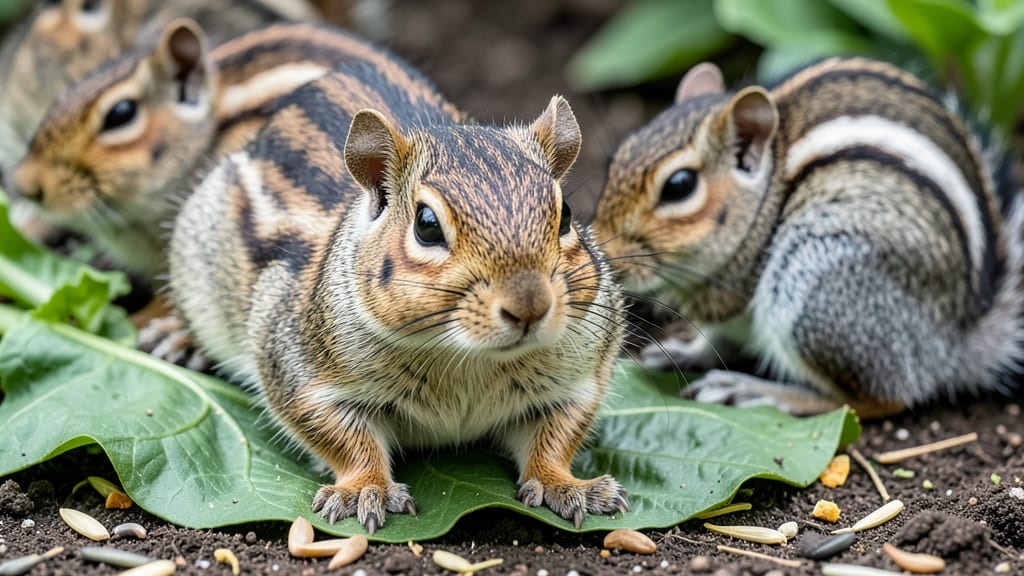
How to get rid of ground squirrels and chipmunks turning your garden into their personal buffet? 🌱 I’ve spent years testing humane solutions after watching them demolish my strawberry beds—and I’ve finally cracked the code on what actually works without harming them (or your conscience).
The key isn’t brute force—it’s outsmarting them with live traps, habitat tweaks, and natural deterrents that make your yard less appealing. Most commercial repellents fail because these critters just adapt, but combining exclusion, scent barriers, and strategic planting creates a multi-layered defense that sticks.
No more digging up bulbs or gnawed seedlings.
You’ll learn how to set traps without injury, modify their tunnels, and use plants they hate (like daffodils or alliums) as living barriers. The best part?
These methods protect pets, wildlife, and your garden’s long-term health—no poison, no cruelty. Your veggies stay yours, and the squirrels move on to less stubborn neighbors.
Works in backyards, raised beds, or even container gardens—just swap out the tactics for your specific setup. Let’s get those burrows sealed for good.
The Hidden Drawbacks of Yard
Ground squirrels and chipmunks don’t just pop up out of nowhere—they’re drawn to your property for very specific reasons. Understanding these triggers is the first step to reclaiming your space. These tiny but tenacious rodents are opportunistic, and their presence often signals an environment that’s unintentionally (or intentionally) inviting.
Let’s break down the key factors that turn your yard into a five-star hotel for them.
Ground squirrels and chipmunks are omnivorous scavengers, meaning they’ll eat almost anything—especially if it’s easy to access. Here’s what’s likely luring them in:
- Unsecured trash cans: Food scraps, pet food, and even crumbs left in open bins become a smorgasbord. These rodents have keen senses of smell and can detect food from up to 30 feet away. A single piece of fruit or a half-eaten sandwich can trigger a daily visit.
- Bird feeders: Seeds, nuts, and suet aren’t just for birds—chipmunks and squirrels will raid them, especially if they’re placed near trees or structures where the rodents can hide. A 2018 study in the Journal of Wildlife Management found that bird feeders increased rodent activity by up to 400% in suburban areas.
- Vegetable gardens: Squash, beans, and corn are particular favorites. Ground squirrels dig burrows near crops to access roots and tubers, while chipmunks gnaw on tender shoots. Even a small patch of greens can attract them if left unprotected.
- Pet food left outdoors: Dry kibble or wet food in bowls overnight is a magnet for these pests. They’ll not only eat it but also contaminate it with urine and feces, posing health risks to your pets.
Pro Tip: 💡 If you’ve noticed sudden rodent activity, do a 24-hour food audit of your yard. Walk around at dusk (their most active time) with a flashlight and note where they’re foraging. You’ll often find the problem areas within the first hour.
Ground squirrels and chipmunks seek out areas with dense cover, dry nesting material, and easy access to burrows. If your yard offers these, they’ll move in—permanently. Here’s what makes your property irresistible:
- Piles of debris or mulch: Leaf litter, wood chips, and compost heaps provide perfect nesting material. Chipmunks, in particular, will weave grass and leaves into nests under decks, sheds, or even in thick ground cover. A single pile can house dozens of rodents.
- Gaps in foundations or walls: Ground squirrels are expert engineers and can dig burrows with multiple entrances. They target cracks in concrete, gaps under doors, or loose siding to create underground tunnels. Once established, these burrows can compromise your home’s structural integrity over time.
- Thick vegetation or overgrown areas: Tall grass, ivy, or untrimmed shrubs offer hiding spots and pathways for rodents to move undetected. Chipmunks, especially, use these to cache food (bury it for later) and avoid predators.
- Rocks or logs: These provide natural cover and are often used as entry points for burrows. Ground squirrels will even stack rocks around their burrow entrances to create a fortress-like structure.
Fun Fact: 🐿️ Ground squirrels are highly social and often live in colonies. If you see one, there’s likely a network of burrows beneath your yard—sometimes stretching 20+ feet deep and connected to multiple entrances.
Rodents need water to survive, and they’re not picky about the source. Here’s how your yard might be providing it:
- Leaky hoses or sprinklers: A dripping faucet or broken irrigation line can create a steady water supply. Ground squirrels and chipmunks will dig near these spots to access moisture, especially during dry spells.
- Pet water bowls: Left outdoors overnight, these become oases in the landscape. Even a shallow dish of standing water can attract rodents looking to hydrate.
- Birdbaths or puddles: Stagnant water in containers or low-lying areas (like after rain) is a hotspot for activity. Chipmunks, in particular, will drink from these and even use them to cool off during hot days.
- Dehumidifiers or AC units: Condensation from outdoor HVAC systems can create micro-climates with high humidity, making your yard more appealing to moisture-seeking rodents.
Warning Sign: 🚨 If you notice muddy tracks leading to specific spots in your yard, it’s a sign they’re using those areas as water sources. Ground squirrels, in particular, will pat mud onto their burrows to reinforce them—another clue they’re nearby.
Sometimes, the issue isn’t your yard’s maintenance—it’s geography. Ground squirrels and chipmunks thrive in:
- Open fields or meadows: These provide unobstructed digging areas and easy access to food sources like grasses and seeds.
- Wooded edges or brush piles: Forests or thickets offer natural cover and are often connected to suburban areas via rodent highways (like overgrown trails or fencerows).
- Proximity to farmland or orchards: Agricultural areas with crops or stored grains act as super magnets for these pests. They’ll migrate into residential areas in search of food.
- Urban sprawl: As natural habitats shrink, rodents adapt to human spaces. Chipmunks, for example, have expanded their range by 30% in the last 50 years due to urbanization, according to the U.S. Geological Survey.
Key Insight: 🌍 If your neighbors have rodent issues, you likely do too. These pests travel in family groups and share resources, so a single infestation can spread quickly across properties.
Rodent activity isn’t random—it’s tied to natural cycles. Here’s when and why they become most noticeable:
| Season | Why They’re Active | What Attracts Them | ||||||||||||||||||
|---|---|---|---|---|---|---|---|---|---|---|---|---|---|---|---|---|---|---|---|---|
| Spring | Emerging from hibernation (chipmunks) or post-winter foraging (ground squirrels). | Newly sprouted plants, bird feeders refilled after winter, and damp soil for burrowing. | ||||||||||||||||||
| Summer | Breeding season—females need protein-rich foods for their young. | Vegetable gardens, pet food, and standing water for hydration.
Practical Ways to Outsmart PestsNow that you understand the why behind ground squirrel and chipmunk invasions, it’s time to tackle the how—with humane, effective, and long-lasting solutions. Below, we’ve mapped out targeted fixes for common causes, from habitat changes to food temptations, along with prevention tips to keep these critters out for good. Ground squirrels and chipmunks seek shelter in cozy, undisturbed spots. If your yard or home offers easy access, they’ll move in—fast. 🔨 Seal Entry Points
Chipmunks can climb, so add weighted bases to deter them. - Cover vents: Install fine mesh screens (¼-inch or smaller) over attic or foundation vents. 🌿 Remove Nesting Materials
💡 Pro Tip:Use gravel or crushed stone around foundations instead of mulch—it’s harder for burrowing pests to dig beneath. A well-fed squirrel or chipmunk is a happy (and persistent) one. Cut off their food supply to discourage visits. 🗑️ Secure Food Storage
Avoid adding meat or dairy—it attracts more pests. 🌾 Harvest & Store Crops Properly
🌡️ Use Natural Deterrents
The scent signals danger. - Essential oils: Mix peppermint or eucalyptus oil with water in a spray bottle and apply to perimeter areas (reapply weekly). If prevention isn’t enough, live traps are the most ethical way to remove pests without harming them. 🔥 Set Up Traps Correctly
👨🍳 Release Them Far Away
⏰ Seasonal Timing
Once you’ve evicted your unwanted guests, keep them out with these low-maintenance habits:
Remember: Consistency is key. Combine habitat modification, food removal, and trapping for the best results. With patience, you’ll reclaim your yard—without the tiny, bushy-tailed tenants! 🐿️🚫 Frequently asked questions
1
What’s the fastest way to stop chipmunks from digging up my garden?Use hardware cloth buried 6 inches deep around plant beds combined with daily cleanup of fallen seeds. For immediate results, sprinkle cayenne pepper along their tunnels—they’ll avoid the area until it washes away. Reapply after rain.
2
Can I use peppermint oil to keep squirrels away?Yes, but it needs frequent reapplication. Mix 10 drops of peppermint oil with 1 cup water in a spray bottle and apply to perimeter areas, burrow entrances, and garden edges. Spray every 3-4 days or after rain—it loses effectiveness quickly. For best results, combine with hardware cloth barriers.
3
How do I know if I have ground squirrels or chipmunks?Check for burrow size and activity patterns:
4
Are live traps safe for pets and wildlife?Yes, when used correctly. Choose humane traps with escape-proof doors and check them every 12 hours to prevent stress. Place traps away from pet areas and use high-value bait (like sunflower seeds) to avoid non-target animals. Always release captured animals 5+ miles away in suitable habitat.
5
Will removing one squirrel solve my problem?Probably not—these pests live in colonies. Removing one often means others will move in. Focus on eliminating food sources, sealing entry points, and modifying habitat first. Use traps to remove 2-3 individuals, then maintain prevention methods. Consistency is key—don’t expect overnight results. |