
Propagation
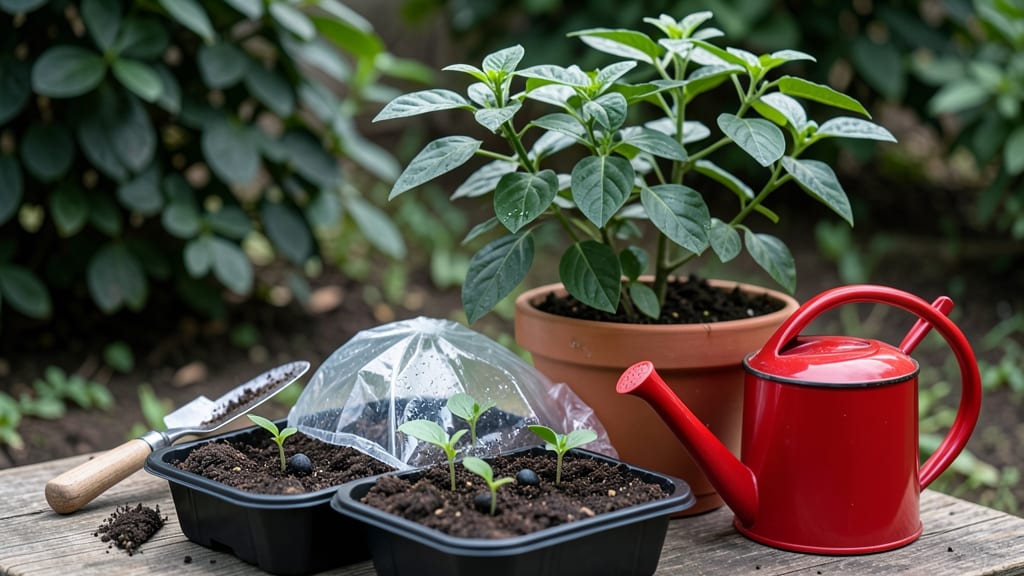
Your kitchen window could soon host a tropical vine that smells like your favorite spice rack. 🌿 Black pepper plants (Piper nigrum) are surprisingly easy to grow from seed—if you know their secret needs.
I’ve nurtured mine from tiny seeds into lush vines, and the journey starts with understanding their tropical roots, even if you’re in a cooler climate.
The key is mimicking their native humidity and warmth. Use a mix of peat moss and perlite to keep seeds moist but not soggy, and maintain 75-85°F temperatures.
Most seeds take 2-4 weeks to sprout, but patience is everything—these vines reward long-term care with fragrant leaves and, eventually, those coveted peppercorns.
By the time your seedlings hit 6 inches, they’ll need a sturdy trellis to climb, just like their jungle cousins. Prune regularly to encourage bushier growth, and watch as those glossy leaves fill your space with a fresh, peppery aroma.
The first harvest? 3-5 years away, but the journey is half the thrill.
Whether you’re in a sunny kitchen or a greenhouse, these vines adapt beautifully—just keep them warm and humid. Troubleshooting slow starts? Try soaking seeds overnight or using a heat mat. The payoff? A living spice rack that’s as rewarding to grow as it is to use.
📚 In This Guide
- What you need
- Instructions
- Tips and common mistakes
- Wrapping up and next steps
What you need
- ● Black pepper seeds – 5–10 fresh, high-quality seeds (preferably from a reputable supplier or organic source). Pro tip: 💡 Rinse seeds in warm water for 24 hours to soften the hard outer shell before planting!
- ● Seed-starting mix – 1 small container (4–6 inches deep) of well-draining, sterile potting soil (e.g., a mix of coconut coir, perlite, and compost). Avoid garden soil—it can harbor pests or diseases.
- ○ Planting container – A 4–6 inch pot with drainage holes (or a seed tray with individual cells) for germination. Optional: Use a clear plastic dome or plastic wrap to create a mini greenhouse effect.
- ● Spray bottle – For gentle watering (avoid over-saturating the soil).
- ● Humidity dome or plastic wrap – To maintain moisture and warmth during germination.
- ● Grow lights or sunny windowsill – A south-facing window (6+ hours of indirect light daily) or a grow light (12–16 hours/day) for seedlings.
- ● Fertilizer – A balanced, water-soluble fertilizer (e.g., 10-10-10) diluted to half-strength for young plants.
- ● Support structure – A trellis, bamboo stake, or small cage (for when your vine reaches 12+ inches tall).
- ● Pruning shears – Small, sharp scissors for trimming (once the plant matures).
- ● A heating mat (70–80°F) to speed up germination in cooler climates.
- ● Organic mulch (e.g., shredded leaves or straw) to retain moisture.
- ● A pH testing kit to ensure soil pH is between 6.0–7.0 (slightly acidic to neutral).
- ● Compost tea for an extra nutrient boost during transplanting.
Step-by-Step instructions for growing black pepper plants from seed
Here's how I turn tiny pepper seeds into thriving tropical vines—even in a sunny kitchen corner.
🌱 Step 1: Soak and Plant the Seeds
Black pepper seeds have a tough outer shell that slows germination. Soak them in warm water for 24 hours to soften it—this speeds up sprouting from 4-6 weeks to just 2-3 weeks. Use a small bowl and change the water halfway through to prevent mold.
After soaking, fill a 4-inch pot with moist, well-draining potting mix (I use a blend of peat moss and perlite). Plant 2-3 seeds per pot at a depth of about ½ inch. Press them gently into the soil—don't bury them too deep, or they'll struggle to push through. Water lightly until the soil feels damp but not soggy.
💧 Step 2: Create a Warm, Humid Environment
Black pepper plants love warmth and humidity—think tropical jungle, not chilly windowsill. Place the pot in a clear plastic bag or cover it with a humidity dome to trap moisture. Keep the soil temperature around 75-85°F using a seedling heat mat if needed. You'll see condensation form inside the bag—this is perfect.
Check the soil daily and water only when the top inch feels dry. Overwatering now will rot the seeds before they sprout. Place the pot in bright, indirect light—direct sun can heat the soil too much at this stage. You'll know it's working when you see tiny sprouts poking through the soil in 2-3 weeks.
☀️ Step 3: Provide Bright, Indirect Light and Support
Once seedlings emerge, remove the plastic bag and move them to a spot with bright, indirect light for 6-8 hours daily. A south-facing window works, but if the light is too harsh, use a sheer curtain to diffuse it. You'll notice the seedlings stretch toward the light—this is normal, but they need support to grow upright.
When the seedlings reach about 6 inches tall, install a small trellis or provide a bamboo stake to climb. Black pepper vines grow aggressively, so give them something to grip early. Rotate the pot a quarter turn weekly to prevent lopsided growth. You'll see new leaves emerging every 2-3 weeks—this means your plant is thriving.
🪴 Step 4: Transplant and Encourage Vigorous Growth
After 3-4 months, when the seedlings have 4-5 sets of leaves, transplant them into 12-inch pots with fresh potting mix. Choose containers with drainage holes—pepper plants hate soggy roots. Water deeply after transplanting to help the roots settle into their new home.
Fertilize lightly with a balanced liquid fertilizer (10-10-10) every 4-6 weeks during the growing season. Keep the soil consistently moist but not waterlogged—stick your finger in the soil to check. If the top inch feels dry, it's time to water. You'll see the vines grow faster and produce more leaves once they're established in their larger pots.
⏰ Step 5: Prune and Train for Maximum Yield
When the vines reach the top of your trellis, pinch off the tips to encourage bushier growth. This redirects energy from climbing to producing more leaves and future peppercorns. Prune any yellow or damaged leaves immediately—they drain the plant's energy and attract pests.
Black pepper plants are slow to fruit indoors, but with patience, you'll see small flower buds form after 1-2 years. If you live in a warm climate, you can eventually transplant them outdoors, but most growers keep them as houseplants. Keep the soil moist and the light bright, and your pepper plant will reward you with years of lush, tropical growth.
Tips & tricks for growing black pepper plants from seed
A few simple strategies can transform your pepper seeds from stubborn starters to thriving tropical vines. Here's what I've learned after growing my own for years.
Soaking Secret: For the 24-hour soak, use warm water that's around 85°F—this mimics the tropical conditions pepper seeds prefer. I place my bowl on top of my fridge to maintain the temperature. After soaking, rinse the seeds gently to remove any mold risk from the water change. This extra step can cut your germination time by half, so it's worth the effort.
Lighting Strategy: In Step 3, when providing bright indirect light for 6-8 hours daily, consider using a grow light if your window isn't ideal. Place it about 6-12 inches above the seedlings to prevent leggy growth. I rotate my plants every few days to ensure even growth—you'll notice the seedlings leaning toward the light if they're not getting enough exposure. This simple rotation keeps them growing straight and strong.
Transplanting Timing: The 3-4 month transplant window is perfect for establishing roots in larger pots. Before transplanting, give the seedlings a good drink of water—this helps reduce transplant shock. I always use pots with drainage holes and fill the bottom with pebbles to prevent soggy roots. After transplanting, place the pot in a shady spot for 24 hours to help the plant recover before introducing it back to bright light.
Patience with Pruning: When you reach Step 5 and see those first flower buds after 1-2 years, resist the urge to prune too aggressively. Pepper plants need time to establish their root systems before they'll produce significant yields. I focus on removing only yellow or damaged leaves—the healthy green leaves are where the plant stores energy for future peppercorns. This careful approach leads to stronger plants that produce better over time.
Pro Tips for Grow Black Pepper Plant From Seed
- A few simple strategies can transform your pepper seeds from stubborn starters to thriving tropical vines.
- Soaking Secret: For the 24-hour soak, use warm water that's around 85°F—this mimics the tropical conditions pepper seeds prefer.
- Lighting Strategy: In Step 3, when providing bright indirect light for 6-8 hours daily, consider using a grow light if your window isn't ideal.
Frequently asked questions
Got questions about growing black pepper from seed?
You’re not alone! Here are answers to the most common curiosities—so you can grow your own spicy success with confidence.
How long does it take for black pepper seeds to germinate?
Black pepper seeds can take 3 to 6 months to germinate—patience is key! Soak seeds in warm water for 24 hours first to speed things up. Keep the soil consistently moist (not soggy) and maintain temperatures between 70–80°F (21–27°C). Germination may be slow, but it’s worth the wait for those fragrant vines!
When will my black pepper plant start producing peppercorns?
If all goes well, your plant may take 3 to 5 years to bear fruit! Female plants (with flowers) are needed for peppercorns to form. Prune regularly to encourage bushier growth, and provide a trellis or support as vines can climb 10–20 feet. With proper care, you’ll eventually harvest those prized black (or green/red) peppercorns!
What if my black pepper plant’s leaves turn yellow?
Yellowing leaves often signal overwatering, poor drainage, or nutrient deficiencies. Check the soil—it should stay slightly moist but never waterlogged. Ensure your pot has drainage holes, and consider fertilizing with a balanced, organic fertilizer (like compost tea) every 4–6 weeks during growing season. Yellow edges? That’s likely low humidity—mist leaves or use a pebble tray!
Can I grow black pepper indoors year-round?
Black pepper thrives indoors with bright, indirect light (a south- or west-facing window is ideal). Supplement with a grow light 12–14 hours/day if natural light is limited. Keep humidity high (60–80%) using a humidifier or grouping plants together. Just avoid drafts and temperature drops below 60°F (15°C)—these tropical vines love warmth!
What if my seeds don’t sprout? Can I use store-bought peppercorns instead?
Store-bought peppercorns are dried and processed, so they won’t sprout. For seeds, buy fresh, organic black peppercorns from a specialty store or online supplier. If germination fails, try scarifying seeds (lightly sanding the outer layer) or soaking them in hydrogen peroxide (3%) for 24 hours to encourage breaking dormancy. Persistence pays off!
Wrapping up and next steps
Growing black pepper from seed is a rewarding journey that brings a taste of the tropics right into your home!
With patience, the right conditions, and a little care, you’ll soon enjoy fresh, aromatic peppers straight from your own vine. Now that you’ve got the know-how, why not start your first seed today? 🌱
Ready to take the next step? Plant your seeds, nurture your vine, and soon you’ll be harvesting your own spicy treasure!