
Pests
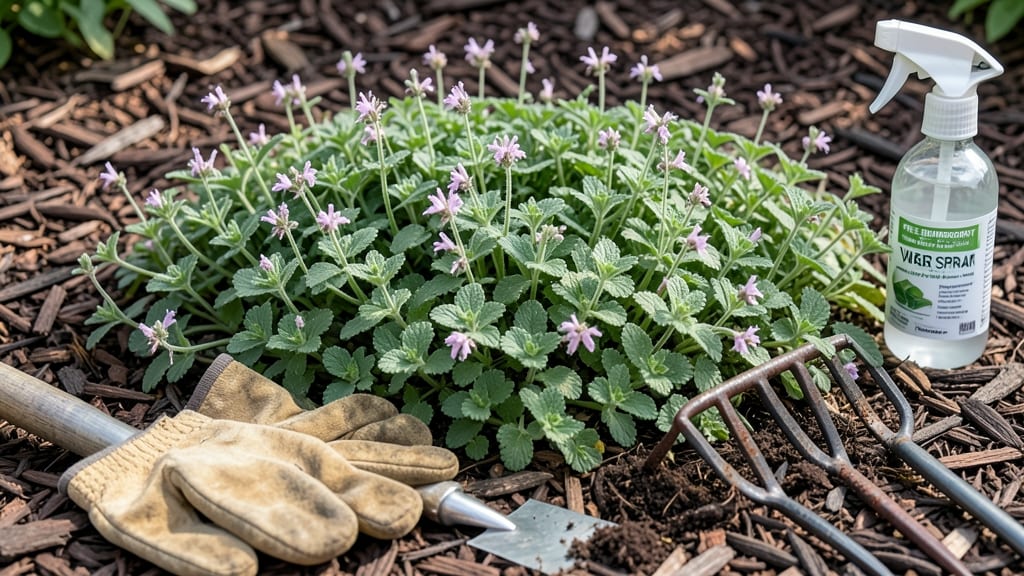
How to get rid of henbit deadnettle turns your lawn into a fuzzy, purple nightmare faster than you can say "spring cleanup." 🌱 I’ve battled this tenacious weed for years, and I’ll save you from the same frustration with a three-step system that actually works—no harsh chemicals required. The secret lies in timing and smothering. Pull when the soil is moist (roots come out cleaner), then cover the area with thick cardboard or landscape fabric to block sunlight. This starves the roots while preventing new seeds from sprouting. Most gardeners quit after one pull—don’t be one of them. By week three, you’ll see bare soil where weeds once ruled. The key is consistency: check weekly for new sprouts and repeat the smothering process until your lawn reclaims its dignity. No more purple carpets—just grass. This method works for lawns, garden beds, and even sidewalk cracks. The only tools you need are gloves, a sturdy trowel, and patience. Let’s get started—your yard will thank you.
📚 In This Guide
- What you need
- Instructions
- Tips and common mistakes
- Wrapping up and next steps
What you need
- ● Gloves: Heavy-duty gardening gloves (2 pairs, one for pulling and one for smothering)
- ● Garden Fork or Hoe: Sturdy, long-handled tool (1) for loosening soil and uprooting weeds
- ● Pruners or Shears: Sharp, clean pruners (1 pair) for cutting stubborn stems
- ● Cardboard or Thick Mulch: Enough to cover the affected area (at least 4-6 sheets of cardboard or 2-3 inches of mulch)
- ● Heavy-Duty Plastic Sheeting: Black or opaque plastic (1 roll, 4’x6’ or larger)
- ○ Stakes or Rocks: For securing the plastic sheet (optional but helpful)
- ● Water Hose or Sprayer: For wetting the area before smothering (1)
- ● Trash Bags: For disposal (2-3 large bags, 30+ gallons each)
- ● Vinegar Solution: 1 gallon white vinegar + 1 cup dish soap (for spot treatment)
- ● Boiling Water: 5+ gallons (for targeted pouring)
- ● Pre-Emergent Herbicide: Organic or chemical (follow label instructions)
- ● Knee Pads: For comfort during long sessions
- ● Sunscreen & Hat: If working in direct sunlight
Step-by-Step instructions for eliminating henbit deadnettle
Here's the proven method I use to banish this stubborn weed for good—no harsh chemicals needed.
🌱 Step 1: Identify and Pull When Soil Is Moist
Henbit deadnettle thrives in early spring, so act fast before it spreads. Grab the plants at the base where stems meet soil—they'll pull easiest when the ground is damp after rain or watering. I use a small hand fork to loosen stubborn roots without disturbing nearby plants. Pulling by hand works too, but be patient—these weeds have deep taproots.
Look for purple flowers and square stems—these are your targets. Don't skip the flowers; each one produces thousands of seeds. I fill a bucket with soapy water to collect pulled weeds, then dump them in the trash (never compost—those seeds will sprout!). Work in small sections to avoid missing any plants hidden in grass or mulch.
✂️ Step 2: Smother Remaining Growth with Cardboard or Mulch
After pulling, cover the area with 2-3 layers of cardboard or thick newspaper to block sunlight. Wet the cardboard first so it sticks to the ground—this prevents wind from blowing it away. For large areas, use 6-8 inches of organic mulch like wood chips or straw instead. The goal is to cut off light completely; henbit won't survive more than 4-6 weeks without it.
Check weekly for any sprouts poking through gaps. If you see new growth, pull those immediately and re-smother. I like to mark treated areas with small stakes so I don't accidentally till them later—disturbing the soil can wake up dormant seeds. For driveways or paths, a thick layer of gravel or landscape fabric works just as well.
☀️ Step 3: Maintain Vigilance Through Growing Season
Henbit deadnettle seeds can lay dormant for years, so stay alert. After smothering, keep the area free of debris where seeds might take hold. I water treated spots regularly to encourage grass or ground cover to fill in—dense plant growth naturally crowds out weeds. For bare soil, apply a pre-emergent herbicide in late summer to prevent next year's seeds from germinating.
Come fall, rake or till the area to expose any remaining seeds to winter kill. I've found that combining smothering with a thick layer of fall leaves works best—by spring, the area is usually weed-free. If henbit returns, repeat the pull-and-smother method. Persistence pays off; most gardens stay clear after 2-3 consistent treatments.
Tips & tricks for eliminating henbit deadnettle effectively
These battle-tested strategies will help you tackle henbit deadnettle with confidence—and keep it from coming back.
Timing is Everything: Early spring is your best window to tackle henbit deadnettle before it spreads. I've found that pulling after a light rain or morning dew makes the soil moist enough for easier extraction. The plants will also be more pliable at this time, reducing the risk of breaking stems that could regrow. Work in the cooler parts of the day to avoid wilting the plants before you can remove them completely.
Root Removal Strategy: In Step 1, don't settle for pulling just the visible stems—aim for the entire root system. I use a small hand fork to gently pry around the base, especially for plants with square stems. You'll know you've gotten the roots when you can't see any green tissue remaining in the soil. For stubborn roots, try soaking the area with water for 10 minutes before pulling to soften the soil.
Smothering Success: When covering pulled areas in Step 2, make sure your cardboard or mulch creates a completely light-blocking barrier. I've learned the hard way that even small gaps can let sunlight through, allowing new sprouts to emerge. For extra security, overlap your cardboard layers by at least 2 inches. In windy areas, secure the edges with rocks or landscape pins to prevent shifting.
Preventive Maintenance: The key to long-term success in Step 3 is consistent vigilance. I mark treated areas with small wooden stakes to remind myself not to till or disturb the soil. For high-traffic areas, consider installing edging to prevent soil from being brought up to the surface where seeds might germinate. Regular watering of treated spots helps establish grass or ground cover that naturally suppresses weed growth.
Pro Tips for Get Rid Of Henbit Deadnettle
- These battle-tested strategies will help you tackle henbit deadnettle with confidence—and keep it from coming back.
- Timing is Everything: Early spring is your best window to tackle henbit deadnettle before it spreads.
- Root Removal Strategy: In Step 1, don't settle for pulling just the visible stems—aim for the entire root system.
Frequently asked questions
about managing henbit deadnettle can save you time and frustration. Here are some common concerns—and their solutions!Is henbit deadnettle toxic to humans or pets?
Henbit deadnettle (Lamium amplexicaule) is generally not toxic to humans or pets, but its sap can irritate sensitive skin. While it’s not deadly, it’s still best to wear gloves when pulling it to avoid rashes. If ingested in large amounts, it may cause mild stomach upset in pets, so keep them away from heavily infested areas.
How long does it take to eliminate henbit deadnettle completely?
With consistent effort—like the pull-and-smother method—you can see significant reduction in 2–4 weeks. However, seeds can linger in the soil for years, so repeat treatments in spring and fall are key. Patience and persistence are your best tools!
Can I use vinegar or boiling water to kill henbit deadnettle?
Yes! A 20% vinegar solution (1 part vinegar to 4 parts water) or boiling water can kill henbit on contact. For best results, apply on a dry, sunny day to avoid diluting the solution. Reapply every 3–5 days until the plants are gone. Just avoid spraying desirable plants—vinegar is non-selective!
What’s the best time of year to tackle henbit deadnettle?
Target henbit in early spring (before it flowers) or late fall (after seeds drop but before frost). These windows minimize seed spread. Avoid treating in summer when heat stress can make plants resilient. Pro tip: Mulch heavily in winter to suppress regrowth.
Will henbit deadnettle come back if I don’t treat the soil?
Absolutely—this weed is a perennial nuisance! Even after pulling, dormant seeds in the soil will sprout. To break the cycle:
- Smother with cardboard + mulch for 6+ months.
- Use a pre-emergent herbicide (like corn gluten meal) in early spring.
- Improve soil health with competitive ground covers (e.g., clover or creeping thyme).
Bonus Tip:
If henbit keeps returning, check for compacted or nutrient-poor soil. Amending with compost and aerating can make your lawn less hospitable to weeds. Prevention is easier than eradication!
Wrapping up and next steps
Getting rid of henbit deadnettle doesn’t have to be a losing battle! With the right tools—like a sturdy pull, a thick layer of mulch, or a little vinegar—you can reclaim your yard in no time. Stay consistent, and soon your garden will be henbit-free and thriving. 🌱
Ready to take action? Start by inspecting your garden this weekend—pull what you can, then smother the rest. Small steps lead to big results! 💪