
Pests
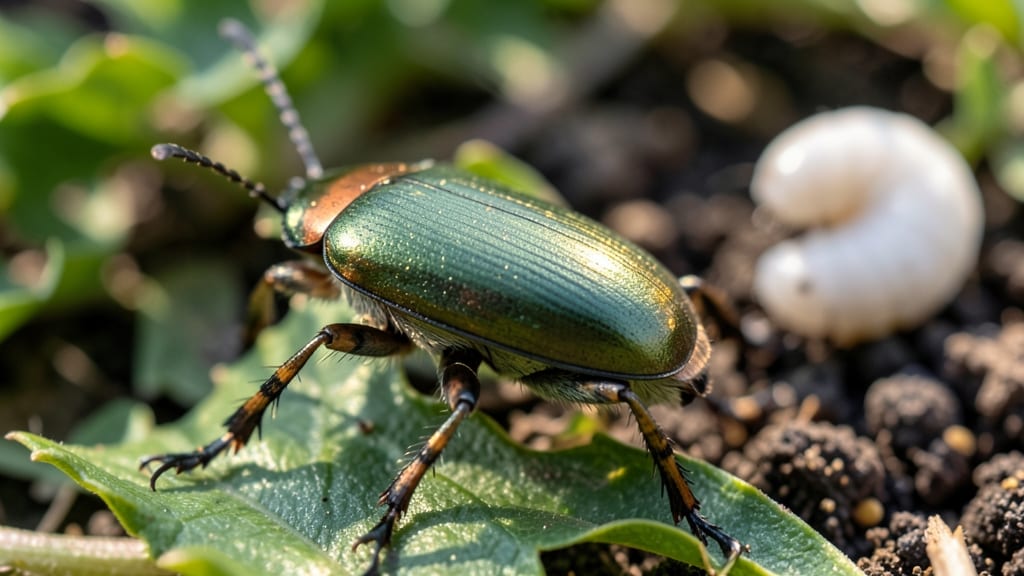
How to get rid of June bugs in your yard—these beetles turn your yard into a nighttime nuisance. 🌱 I’ve battled these beetles for years—until I discovered the boiling water barrier trick that wipes out their nests in minutes without chemicals. No more digging or traps; just targeted heat that works instantly.
The problem isn’t just the bugs—they chew leaves and damage plants, but their real crime is the grubs hiding underground. Most solutions miss the root issue. This method kills adults and larvae by pouring boiling water along their flight paths, where they return to nest. It’s brutal, but effective.
You’ll see results in one treatment—no waiting weeks for slow-acting sprays. The yard stays bug-free for weeks, and your lawn recovers faster because you’re not poisoning the soil. Plus, it’s pet-safe once cooled and plant-friendly.
Works best in late June through August when bugs are most active. For stubborn infestations, repeat every 2 weeks. No more swatting or squishing—just a hot water solution that actually solves the problem.
The Real Culprits Behind June Bugs
June bugs—those chunky, flying beetles—don’t just appear out of nowhere. Their presence in your yard is the result of a mix of environmental factors, lifecycle stages, and even human activity.
Understanding why they show up is the first step to stopping their takeover. Let’s break down the science behind their invasion.
June bugs thrive in yards that resemble their natural habitat: dense, unkempt grass and leaf litter. Here’s why:
- Moisture Retention: Thick grass and weeds trap moisture, creating the perfect breeding ground for June bug larvae (often called "grubs"). These larvae feed on grass roots in damp soil, and overwatering or poor drainage only worsens the problem.
- Food Source: Grubs munch on organic matter like decomposing leaves, clippings, and even mulch. A yard with thick thatch or compost piles becomes an all-you-can-eat buffet for them.
- Hiding Spots: Adult June bugs lay eggs in soil that’s soft and shaded—exactly what you get with tall grass or unraked leaves. They avoid sunny, bare patches, so a well-maintained lawn deters them.
Actionable insight: Regular mowing, dethatching, and removing leaf piles disrupt their lifecycle. Aim for a lawn height of 2–3 inches to reduce hiding spots.
June bugs are nocturnal and most active during warm summer evenings. Their behavior is tied to temperature and daylight cycles:
- Emergence Timing: Adult June bugs emerge from pupation in late spring to early summer when soil temperatures hit 60–70°F. If your yard stays consistently warm, they’ll stick around longer.
- Mating Flights: They’re attracted to lights (including porch lights and streetlights), which disrupts their natural mating patterns. Artificial lights can also lure them into your yard from neighboring areas.
- Slow Decomposition: Hot, humid weather speeds up organic decay, which attracts grubs. If your yard has compost piles or leaf litter, heat accelerates their growth.
Actionable insight: Use yellow bug lights (which are less attractive to June bugs) or motion-activated lights to reduce nighttime activity. Avoid overwatering in the evening, as damp soil keeps grubs active.
June bug larvae love soil that’s moist but not waterlogged. Here’s how drainage issues play a role:
- Waterlogged Patches: Areas with poor drainage create anaerobic (low-oxygen) zones where grubs can’t survive—but they thrive at the edges, where moisture is just right. This is why you might see them in low spots or near downspouts.
- Compacted Soil: Heavy foot traffic, machinery, or clay soil compresses the ground, making it harder for grass roots to grow. Grubs target stressed grass, and compacted areas become their favorite feeding grounds.
- Organic Buildup: If your soil has high organic matter (like old mulch or thatch), it holds moisture longer, extending the grubs’ feeding season.
Actionable insight: Aerate your lawn in late summer or early fall to relieve compaction. Improve drainage by grading low spots or installing French drains if needed.
June bugs don’t always originate in your yard—they can fly in from nearby properties. Here’s how:
- Wind Dispersal: Adult June bugs are strong fliers and can travel up to 3 miles in search of food and mates. If a neighbor’s yard is heavily infested, wind currents will carry them to yours.
- Lack of Natural Predators: Birds, toads, and beneficial insects (like ground beetles) keep June bug populations in check. If these predators are scarce in your area, the bugs multiply unchecked.
- Urban Sprawl Impact: As natural habitats shrink, June bugs adapt to suburban yards. Lawns with monoculture grass (like Kentucky bluegrass) provide easy meals with few defenses.
Actionable insight: Coordinate with neighbors to treat infestations simultaneously. Encourage native plants and wildlife-friendly features (like birdhouses or toad habitats) to boost natural pest control.
Believe it or not, some of your yard care routines might be inviting June bugs. Common culprits include:
- Over-Fertilizing: Excess nitrogen in lawn fertilizer creates lush, soft grass—grubs’ dream food. A slow-release, balanced fertilizer (like 16-4-8) is less appealing to them.
- Leaving Grass Clippings: Thatch and clippings create a cozy layer for grubs to hide and feed. Bagging clippings or mulching thinly reduces their shelter.
- Ignoring Bare Spots: June bugs avoid sunny, bare soil. If you have patches of dirt, they’ll fly elsewhere—but if the rest of your lawn is thick, they’ll stay.
Actionable insight: Switch to orgainc fertilizers (like compost or bone meal) to deter grubs. Overseed bare spots with clover or ryegrass, which are less susceptible to grub damage.
Quick Fixes for June Bug Havoc
June bugs can turn your yard into a chaotic battleground, but the good news? There are easy, effective ways to reclaim your space—whether you’re dealing with swarms, grubs, or nests.
Below, we break down targeted solutions based on the root cause, from immediate fixes to long-term prevention. No harsh chemicals required (unless you want them).
June bugs are most active after dusk, turning your porch light into a bug buffet. Stop the invasion fast with these tricks:
💡 Lighting Adjustments: Lure Them Away
- Switch to yellow or red bug lights (or cover existing lights with yellow cellophane).
These wavelengths are less attractive to June bugs than white or blue lights. - Use motion-activated lights—they only turn on when needed, reducing the bug magnet effect. - 🌡️ Pro Tip: If you must keep a white light on, place it near a door or window with a fan (directed outward).
The bugs will fly toward the light but get blown away.
🍳 DIY Traps: Catch and Release (or Kill)
- Beer trap: Bury a shallow dish (like a pie tin) filled with beer in the ground.
The bugs are drawn in and drown. Bonus: Works for other pests too! - Soapy water trap: Mix 1 gallon water + 1 tbsp dish soap in a bucket.
Place near problem areas—the soap breaks their wings, and they sink. - 🎯 Pro Tip: For a humane option, use a wet towel draped over a board. Bugs land on it, get stuck, and you can release them far from your yard.
⏰ Timing Is Everything
- Turn off outdoor lights by 10 PM—June bugs are less active after midnight. If you need security lighting, opt for solar-powered or timed LEDs.
June bug grubs munch on grass roots, leaving brown patches that look like drought damage. Kill them before they hatch with these methods:
🔪 Organic Grub Control
- Milky spore powder (Bacillus popilliae): A natural bacteria that targets Japanese beetle grubs (and some June bug grubs). Sprinkle on lawn in early spring (follow package rates).
- Nematodes (beneficial): Microscopic worms that paralyze and kill grubs.
Apply in early evening with a hose-end sprayer. Best in moist soil! - 💡 Pro Tip: Aerate your lawn in fall—this exposes grubs to predators (birds, toads) and improves treatment effectiveness.
🥘 Chemical-Free Lawn Care
- Encourage natural predators: Crows, skunks, and moles love grubs.
Plant native grasses and clover to support their ecosystems. - Overseed thin areas with tall fescue or Kentucky bluegrass—these grasses recover faster from grub damage. - 🌡️ Pro Tip: Water deeply but infrequently (1 inch per week). Healthy grass roots are less appealing to grubs.
⚠️ When to Call in the Big Guns
If grubs are widespread, a broad-spectrum grub killer (like imidacloprid or trichlorfon) may be needed. Apply in early summer (when grubs are young) and water lightly to activate.
A nest looks like a small, dome-shaped mound (usually near sidewalks or foundations). Destroy it fast before more bugs emerge:
🔥 Boiling Water Method (Instant Kill)
- Locate the nest—it’s often 1–2 feet wide and feels spongy when prodded.
- Pour 1–2 gallons of boiling water directly onto the mound. This kills adults, eggs, and larvae instantly.
- Repeat in 3–5 days if new bugs appear (they may have laid more eggs).
- 💡 Pro Tip: Wear gloves—some people report skin irritation from the bugs’ defensive chemicals.
🍳 Vinegar or Salt Solution (For Smaller Nests)
- Mix 1 part white vinegar + 1 part water in a spray bottle. Drench the nest—the acidity kills eggs and disrupts larvae.
- Salt method: Sprinkle coarse salt over the nest, then water it in. Avoid overusing salt—it harms soil long-term.
🌱 Post-Treatment Care
- Rake the area to expose any remaining eggs to predators.
- Plant marigolds or catnip nearby—these repel June bugs naturally.
- 🎯 Pro Tip: Check for nests in spring and fall—these are peak laying seasons.
Stop June bugs before they start with these low-effort strategies:
| Problem | Solution | When to Do It |
|---|---|---|
| Attractive lighting | Switch to yellow/red bulbs or motion sensors | Before summer begins |
| Grub-friendly lawn | Aerate + overseed with grub-resistant grass | Early fall |
| Moist, shady soil | Reduce watering in late summer | June–August |
| Weedy patches | Pull weeds (they hide grubs) | Spring & fall |
| Foundation cracks | Seal gaps with caulk (bugs nest here!) | Year-round |
🌿 Long-Term Yard Upgrades
- Plant bug-repelling flowers: Lavender, rosemary, mint, and basil deter June bugs.
- Keep grass short (but not scalped)—2–3 inches makes it harder for grubs to hide.
- 💡 Pro Tip: Mulch beds with cedar or citrus peels—both are natural repellents.
Final Thought: June bugs are a nuisance, not a crisis. With boiling water for nests, smart lighting, and a few organic tweaks, you can eliminate them without toxic sprays.
Start with one or two methods, monitor results, and adjust as needed—your yard (and sanity) will thank you!
Frequently asked questions
Why do June bugs keep coming back even after I treat them?
June bugs have a two-year lifecycle, so grubs may still be hiding underground. Repeat treatments every 3–5 days to catch new hatches, and focus on nests near sidewalks or foundations where they return to lay eggs. Also, check for nearby infested yards—adults can fly up to 3 miles!
Is boiling water safe for my lawn after treating nests?
Yes! Once cooled, boiling water won’t harm grass. The heat kills bugs instantly without chemicals. For extra safety, water the area lightly afterward to help recovery. Just avoid treating flower beds or delicate plants—stick to grassy areas where nests form.
Can I use vinegar to kill June bugs instead of boiling water?
Vinegar works for small nests or eggs, but it’s less effective than boiling water for adult bugs. Mix 1:1 vinegar and water, drench the nest, and repeat daily for 3 days. The acidity disrupts larvae, but it won’t kill adults as quickly. For best results, combine with other methods like traps or lighting changes.
How do I know if I have June bugs or Japanese beetles?
June bugs are chunky, brownish with clubbed antennae, while Japanese beetles are green and copper with straight antennae. June bugs also make a buzzing sound when flying, unlike the silent flight of Japanese beetles. Check for grubs—June bug grubs are C-shaped and white, while Japanese beetle grubs are grayish.
Will my pets be safe around boiling water-treated areas?
Yes! Once the water cools (after 10–15 minutes), the area is safe for pets. Avoid letting them walk through steaming water, but the treatment itself isn’t toxic. For extra caution, keep pets away until the ground is dry. Boiling water is a pet-friendly alternative to chemical sprays.