
Pests
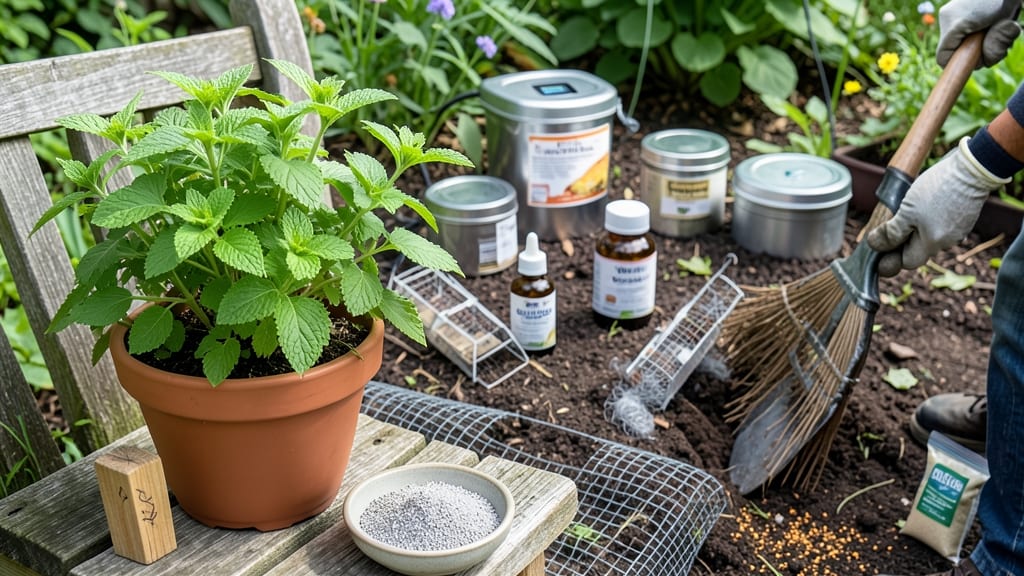
How to get rid of a mouse in your garden—before it turns your bulbs into a winter buffet. 🌱 I learned the hard way when my prized tulip bed became a winter snack spot. The key? A multi-pronged approach that works with nature, not against it.
First, seal their entry points—mice squeeze through gaps as small as a pencil. Steel wool and caulk are your best friends here. Then, disrupt their habitat. Remove leaf litter, secure compost bins, and store firewood away from garden edges.
These simple steps cut off their food and shelter sources before you even consider repellents.
For existing infestations, peppermint oil-soaked cotton balls near entry points creates a natural barrier they’ll avoid. Humane live traps with quick-release mechanisms let you relocate them far from your garden—no harm, just eviction. The steam-powered method? It’s all about making your garden less appealing than the neighbor’s.
Seasonal habits matter: mice nest underground in winter, so focus on sealing tunnels and burrows before cold sets in. Spring and fall are prime prevention times—stay proactive, and you’ll reclaim your garden without a single toxic bait in sight.
The Hidden Triggers Inviting Mice
Mice don’t just wander into your garden by accident—they’re drawn by a mix of food, shelter, and environmental cues. Understanding these triggers is the first step to outsmarting them. Let’s break down the science behind why these tiny invaders show up in your outdoor space.
Mice are opportunistic feeders with an insatiable appetite. Your garden likely offers more than you realize: - Fallen Fruits & Vegetables – Overripe tomatoes, dropped apples, or uneaten veggies from your harvest are mouse magnets.
A single piece of fruit can attract a whole colony. - Birdseed & Pet Food – If you feed birds or leave pet food outside, mice will raid it.
Even small spills or scattered seeds create a feast. - Compost Piles – Decaying organic matter isn’t just food; it’s a hotspot for nesting.
Mice love the warmth, moisture, and easy snacks. - Stored Garden Supplies – Wooden crates, seed packets, or even cardboard mulch provide both food (insects, seeds) and shelter.
Pro Tip: 💡 Mice can smell food from up to 30 feet away—so even hidden scraps in dense foliage won’t go unnoticed.
Mice seek cozy, protected spaces to nest, especially during cold or wet weather. Your garden may unknowingly offer: - Dense Shrubbery & Piles of Debris – Thick bushes, leaf litter, or stacked firewood create perfect hiding spots.
They chew through vines and mulch to build nests. - Gaps in Fences & Walls – Even a quarter-inch hole is enough for a mouse to squeeze in.
Check for cracks in garden structures, sheds, or wooden borders. - Under Decking & Porches – Dark, undisturbed areas under decks or patio furniture are prime real estate for nesting. - Hollow Stems & Tree Bases – Some plants (like bamboo or sunflowers) have hollow stems mice will inhabit.
Tree roots and stumps also provide shelter.
Warning: 🚨 A single female mouse can produce 5-14 babies every 3 weeks—so one nest can turn into an infestation fast!
Mice are highly sensitive to environmental changes, and your garden’s weather patterns play a role: - Fall & Winter – As temperatures drop, mice seek warmth in compost piles, sheds, or under mulch.
They also raid gardens for stored seeds before hibernation. - Spring & Early Summer – Nesting season kicks off, and mice scavenge for nesting materials (like shredded leaves or fabric scraps). - Rain & Humidity – Wet conditions make outdoor spaces more appealing.
Mice avoid flooded areas but love damp, sheltered spots like under tarps or in buried containers.
Fun Fact: 🐭 Mice can swim and climb—so even elevated gardens aren’t safe if they can reach a ledge or tree branch!
Some plants naturally attract mice because of their scent, texture, or the insects they harbor:
- Sweet-Smelling Herbs – Mint, parsley, and cilantro emit fragrances that mask human scents, making your garden smell like a mouse paradise.
- Soft, Moist Plants – Succulent leaves (like lettuce or basil) are easy to chew for nesting material.
- Insect-Rich Plants – Mice eat insects and larvae, so gardens with aphids, beetles, or slugs become unintentional buffets.
Solution: 🌱 Plant mouse-repelling herbs like rosemary, thyme, or lavender near problem areas to disrupt their scent trails.
Even well-maintained gardens can become mouse havens due to human habits:
- Improper Waste Disposal – Trash cans left open or compost bins without lids are open invitations.
- Water Sources – Leaky hoses, birdbaths, or standing water in saucers create hydration stations.
- Construction & Digging – Disturbed soil exposes tunnels and nests, forcing mice to relocate nearby.
Key Insight: 🔍 Mice are crepuscular (most active at dawn/dusk)—so they’re often spotted when you’re least likely to notice them!
By identifying which of these triggers apply to your garden, you can target the root cause—not just the mice themselves. The next step? Sealing entry points and removing attractions before they become a full-blown infestation.
Eliminate Mice from Your Garden
Mice in your garden aren’t just a nuisance—they can wreak havoc on plants, spread diseases, and even nest in sheds or compost piles. The good news? You can tackle this problem effectively with humane, practical, and long-term solutions tailored to the root cause.
Below, we break down the most common reasons mice invade gardens and how to fix them for good, plus prevention tips to keep them out.
Mice seek cozy, hidden spaces to nest, especially in dense foliage, woodpiles, or unsealed gaps in sheds, fences, or garden structures.
🔧 How to Fix It
- 🌿 Clear Debris & Overgrowth Remove tall grass, leaf piles, and dense shrubs near your home or garden edges.
Mice love hiding in these areas, so keeping the space open makes it less appealing. - Pro Tip: 💡 Trim back vines and ivy clinging to sheds or walls—they create perfect mouse highways.
- 🏠 Seal Entry Points Inspect your shed, garage, or patio for gaps larger than a dime (yes, mice can squeeze through that!).
Use steel wool + caulk or hardware cloth to block holes in foundations, vents, and pipes. - Pro Tip: ✨ Check for gaps around utility lines—mice can enter through these too!
- 🪵 Store Firewood & Mulch Properly Keep woodpiles at least 20 feet from your home and elevate them off the ground with bricks or pallets. Store mulch in metal containers with tight-fitting lids.
Mice are scavengers—they’ll munch on seeds, fruits, veggies, and even pet food left outdoors.
🍴 How to Fix It
- 🥕 Secure Your Harvest Use bird netting or row covers to protect ripe fruits and vegetables. Store produce in airtight containers when not in use.
- Pro Tip: 🌡️ Harvest crops promptly—overripe or fallen produce is a mouse magnet!
- 🐶 Manage Pet Food & Scraps Never leave pet food outside overnight. Use feeders with lids and clean up spills immediately.
Store trash in metal cans with tight lids and take it out frequently. - Pro Tip: 🎯 Avoid composting meat or dairy—stick to plant-based scraps to deter mice.
- 🌱 Use Natural Deterrents Mice dislike certain scents. Place peppermint oil-soaked cotton balls in problem areas (reapply every few days) or sprinkle black pepper near entry points.
Mice need water to survive, and standing water, leaky hoses, or pet bowls can attract them.
💦 How to Fix It
- 🚰 Fix Leaks & Remove Standing Water Check for dripping faucets, clogged gutters, or birdbaths that collect water. Empty and clean birdbaths weekly.
- Pro Tip: ⏰ If you have a dehumidifier in your shed, run it occasionally—mice seek damp areas.
- 🐶 Limit Outdoor Pet Water If you must leave pet water outside, use a heavy, tip-proof bowl that mice can’t easily climb into. Bring it in at night.
Natural predators (owls, cats, snakes) keep mouse populations in check. If your garden lacks these, mice thrive.
🦉 How to Fix It
- 🐈 Encourage Natural Predators
- Install a birdhouse for owls or kestrels (they hunt mice!).
- If you have a cat, let it patrol the garden at dawn/dusk when mice are most active.
- Pro Tip: 🔥 Avoid pesticides—they can harm predators and make your garden less balanced.
- 🌿 Plant Mouse-Repelling Flora Mice dislike the scent of mint, garlic, daffodils, and marigolds. Plant these near garden edges or entry points.
Even after removing mice, they may return if scent markers or nesting materials remain.
🧹 How to Fix It
- 🧼 Deep Clean Infested Areas Remove old nests, droppings, and urine with vinegar or bleach solution (1:10 ratio).
Mice return to familiar scents, so thorough cleaning disrupts their memory. - Pro Tip: 💡 Use an enzyme cleaner for pet urine—it eliminates odors that attract mice.
- 🔥 Use Humane Traps Strategically If mice persist, try live traps (like the Victor Mouse Trap) baited with peanut butter or oats. Release them at least 5 miles away in a wooded area.
- Pro Tip: ⏰ Check traps daily—mice reproduce quickly, so don’t delay!
Once you’ve evicted the mice, prevent reinfestation with these habits:
- 🌿 Maintain a tidy garden (weekly debris removal).
- 🏠 Conduct seasonal inspections (check for new gaps before winter).
- 🍃 Store firewood and compost properly (away from structures).
- 🐕 Supervise pets outdoors (they can accidentally attract mice).
- 🌱 Plant mouse-repelling herbs (like lavender or rosemary) near vulnerable spots.
By addressing the specific reasons mice invade your garden and combining elimination + prevention, you’ll create an environment that’s unwelcoming to these tiny troublemakers—without harming them or your plants. 🚫🐭
Frequently asked questions
What’s the fastest way to tell if mice are in my garden?
Look for droppings (tiny, dark, rice-sized pellets), chewed plants, or greasy rub marks along walls and fences. Listen for scratching sounds at dawn/dusk—their most active times. Check for nests made of shredded leaves or fabric in dense shrubs or under decks.
Are peppermint oil repellents safe for plants?
Yes! Peppermint oil is non-toxic to plants when used properly. Dilute 10-15 drops in 1 cup water and spray around entry points or problem areas. Reapply every 3-5 days or after rain. Avoid spraying directly on edible plants you harvest within 24 hours of treatment.
How do I keep mice out of my compost pile?
Use a metal compost bin with a tight-fitting lid and avoid adding meat, dairy, or oily foods. Sprinkle dried blood meal (a natural repellent) around the base, or place a hardware cloth barrier between the bin and soil. Bury compost at least 12 inches deep to deter digging.
Will cats really keep mice away from my garden?
Cats help, but they’re not foolproof! Free-roaming cats catch mice, but they may also bring them closer to your home. For better results, let cats patrol dawn/dusk (mouse peak activity) and combine this with sealing entry points. Consider installing owl boxes—owls are natural mouse predators that won’t disrupt your garden.
What should I do if I find a mouse nest?
Remove the nest carefully (wear gloves!) and relocate the mice using a humane live trap baited with peanut butter. Seal the nest area with steel wool to block re-entry, then deep clean the spot with vinegar solution to eliminate scent markers. Never disturb nests during breeding season (spring/summer)—wait until young are independent.