
How To
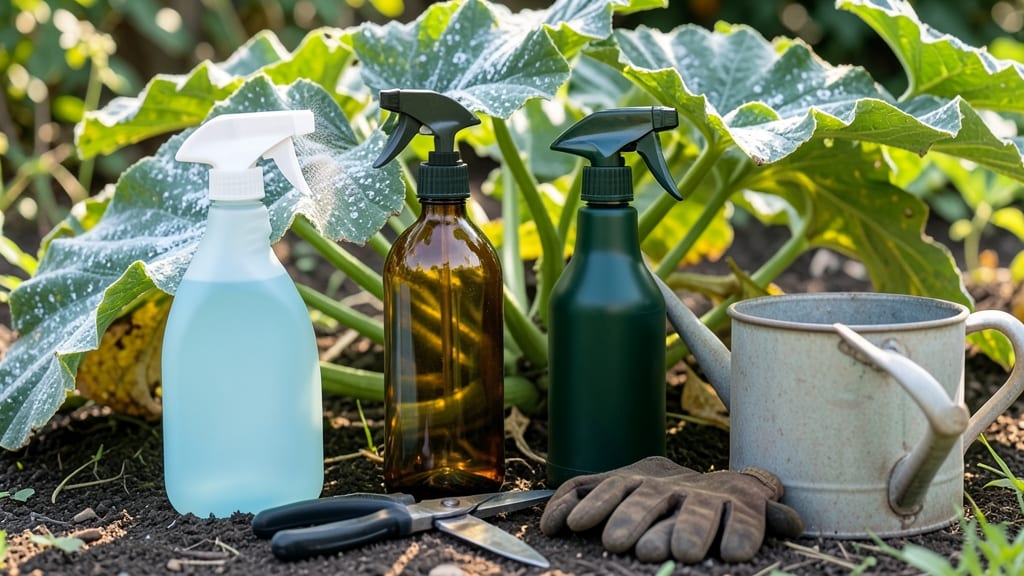
That first sight of the powdery mildew on your pumpkin leaves? It spreads fast, but a boiling water drench can stop it in its tracks. ✨ I’ve saved multiple harvests using this method—it’s fast, organic, and works when other treatments fail.
The key is timing and technique, not just pouring hot water everywhere. You’ll need a kettle, a watering can, and a sunny afternoon. The boiling water kills spores on contact, but you must apply it carefully to avoid burning foliage.
Start early in the season when mildew first appears, and repeat every 7-10 days until the plants mature. It’s not pretty, but it works—my pumpkins went from wilted to thriving in under a week.
What you’ll end up with is healthy, disease-free vines producing the biggest, most vibrant pumpkins your neighbors will be jealous of. The treatment is simple, but the results are undeniable: fewer spots, stronger stems, and a harvest that lasts all season. Works for squash, cucumbers, and melons too.
Here’s exactly how to do it—safely and effectively—without losing a single plant.
The Hidden Triggers Behind Mildew
Powdery mildew isn’t just a random nuisance—it’s a sneaky fungal invader that thrives under specific conditions. Understanding why it targets your pumpkins (and how to starve it out) is the first step to reclaiming your garden.
Below, we break down the key culprits behind this grayish-white menace, backed by science and actionable insights.
Powdery mildew loves humidity—think of it as a fungal sauna. The ideal conditions for spore germination and growth are:
- Relative humidity above 75%: Spores need moisture in the air to land and latch onto plant surfaces. If your mornings are foggy or your afternoons linger with dampness, you’re rolling out the welcome mat.
- Poor airflow: Stagnant air traps humidity near leaves and vines. Crowded pumpkin patches or dense foliage create microclimates where mildew spreads like wildfire.
- Evening dew: While morning dew isn’t usually a problem, lingering dew (especially in shaded areas) keeps leaves damp for hours—prime time for spores to colonize.
Science note: The fungus Podosphaera xanthii (a common culprit) produces appressoria—tiny suction-cup-like structures—that pierce plant cells when humidity is high. Once attached, it excretes enzymes to break down cell walls and feast.
Pumpkins are sun-worshippers, and shade is their kryptonite. When plants don’t get enough light:
- Chlorophyll production drops, making leaves less efficient at photosynthesis. Weakened plants can’t fight off pathogens as effectively.
- Leaves become thinner and more susceptible to damage, creating easy entry points for spores.
- Temperature fluctuations increase: Shaded areas cool down slower at night and heat up slower during the day, creating the perfect 60–80°F (15–27°C) range that mildew adores.
Pro tip: If your pumpkins are growing under trees or tall crops, prune nearby foliage to let in at least 6–8 hours of direct sunlight per day. A simple south-facing orientation can work wonders.
Overwatering isn’t just about soggy soil—it’s about creating a fungal buffet. Here’s how excess moisture fuels mildew:
- Splashing spores: Water droplets can sling mildew spores from infected leaves onto healthy ones (like a fungal game of telephone). This is why overhead watering is a no-go.
- Soil-borne spores: Mildew spores often lurk in the soil. When you water heavily, they’re suspended in the air and ready to hitch a ride on your plants.
- Root stress: Overly wet soil prevents roots from absorbing nutrients, weakening the plant’s immune response. A stressed pumpkin is a milkshake for mildew.
Science deep dive: The fungus thrives in film-forming moisture—think of it like a thin layer of water on leaves. This creates an anaerobic environment (low oxygen) that spores crave for germination.
Pumpkins under stress are like open doors for powdery mildew. Common stressors include:
- Nutrient deficiencies: Low nitrogen or phosphorus weakens cell walls, making them easier targets. Yellowing leaves? That’s a red flag.
- Pests: Bugs like aphids or spider mites damage leaves, creating wounds where spores can land and take hold.
- Transplant shock: Recently transplanted pumpkins are vulnerable until their roots establish. Mulch properly to reduce stress.
- Extreme temperatures: Heatwaves or sudden cold snaps shock plants, lowering their resistance.
Key takeaway: A healthy pumpkin is your best defense. Rotate crops to prevent soil-borne diseases, and use balanced fertilizer (like 10-10-10) to keep plants robust.
Tight spaces = trapped humidity + poor airflow = mildew paradise. Here’s why spacing matters:
- Reduced airflow: Crowded plants create a microclimate where humidity lingers. Mildew spores float in still air, landing on nearby leaves.
- Shaded lower leaves: In dense patches, lower leaves get less light and stay damp longer, becoming hotspots for infection.
- Spores hitchhike: Wind or even garden tools can transfer spores from plant to plant in a crowded bed.
Rule of thumb: Space pumpkin vines 3–5 feet apart (depending on variety) and prune suckers to improve airflow. Think of it as giving your plants personal space to breathe.
Bottom line: Powdery mildew doesn’t just appear—it’s invited by the perfect storm of humidity, stress, and poor growing conditions. But now that you know the why, you’re armed to flip the script and create an environment where mildew can’t survive. Stay tuned for proactive strategies to kick this fungus to the curb!
Fix Powdery Mildew Fast
Powdery mildew may seem stubborn, but with the right approach, you can save your pumpkins and prevent future outbreaks. Below, we’ve mapped common causes to practical fixes, including a boiling water drench (the star of this article!) and other organic, chemical-free solutions.
Plus, we’ll share prevention tips to keep your pumpkin patch mildew-free all season.
Powdery mildew thrives in humid, stagnant air, so if your pumpkins are packed too closely, spores spread like wildfire. Here’s how to break the cycle:
- 🔥 Prune & Space Out Remove any dead or infected leaves (compost them far from your garden). Thin out vines so they’re 12–18 inches apart—this lets air circulate and dries foliage faster.
- 🌬️ Elevate Plants Use cucumber trellises or stakes to lift pumpkins off the ground. This reduces soil-borne moisture from splashing onto leaves.
- ⏰ Water Wisely Morning watering (before 10 AM) gives leaves time to dry. Avoid overhead sprinklers—water at the base instead.
Powdery mildew loves dampness, so if your garden stays soggy, it’s an open invitation for spores. Try these quick fixes:
- 🌡️ Boost Airflow with Fans Place a small oscillating fan on low speed near your pumpkins. The gentle breeze dries leaves faster and disrupts spore growth.
- ☀️ Increase Sunlight If your pumpkins are in shade, move them to a sunnier spot or trim nearby tall plants blocking light. 6+ hours of sun helps leaves dry out.
- 🌧️ Use Mulch (But the Right Kind!) Straw or pine needles (not wet hay!) keep soil dry while allowing airflow. Avoid thick layers—just 2–3 inches is enough.
If mildew is already on your pumpkins, act now before it spreads. Here’s how to eliminate it—starting with our boiling water drench (the fastest fix!):
🔥 Boiling Water Drench (Kills Spores in Minutes)
Why it works: The sudden heat shock bursts fungal spores on contact. No chemicals, no residue—just pure, effective action.
👨🍳 How to Do It:
- Boil 1 gallon of water in a kettle or pot.
- Let it cool for 30 seconds (so you don’t scald leaves).
- Pour directly over infected leaves, focusing on white powdery patches.
- Repeat every 3–5 days until mildew disappears.
✨ Pro Tip: Do this early in the morning so leaves dry quickly. Wear gloves—hot water can sting!
🌿 Organic Sprays (For Larger Infestations)
If mildew covers multiple plants, try these DIY sprays (apply in the morning for best results):
| Solution | How to Mix | How Often |
|---|---|---|
| Baking Soda Spray | 1 tsp baking soda + 1 tbsp oil + 1 tsp soap in 1 gallon water | Every 7–10 days |
| Neem Oil Spray | 1 tbsp neem oil + 1 tsp soap in 1 quart water | Every 5–7 days |
| Milk Spray | 1 part milk + 9 parts water | Every 3–5 days |
💡 Pro Tip: Rotate sprays to prevent resistance. Neem oil works best for prevention, while baking soda is great for quick fixes.
🧴 Chemical-Free Fungicide (Last Resort)
If organics aren’t cutting it, try copper fungicide (like Copper Soap). Follow label instructions—it’s safe for edibles but must be reapplied after rain.
The best defense? Stop mildew before it starts. Here’s how to future-proof your pumpkins:
- 🌱 Choose Resistant Varieties Look for powdery mildew-resistant pumpkin seeds (e.g., ‘Howden’, ‘Jack Be Little’). Check seed packets for disease-resistant labels.
- 🌿 Crop Rotation Don’t plant pumpkins (or squash) in the same spot two years in a row. Rotate with beans, corn, or tomatoes to break the fungal cycle.
- 🌱 Start Strong with Healthy Plants Buy disease-free seedlings or grow from certified organic seeds. Weak plants are vulnerable to mildew.
- 🕵️ Monitor & Act Early Check leaves weekly—catch mildew before it turns white. Isolate infected plants immediately.
If a pumpkin is severely infected (more than 50% of leaves covered), it’s often best to remove it. Dig up the plant roots and all to prevent spores from lingering in the soil.
Final Thought: Powdery mildew is annoying but beatable—especially with boiling water, airflow tricks, and prevention. Try one method today, and your pumpkins will thank you with healthy, mildew-free growth! 🎃💪
Frequently asked questions
Can I use boiling water on young pumpkin seedlings?
No, avoid boiling water on seedlings or tender new growth. The heat can burn delicate leaves and stems. For young plants, use a 1:9 milk-water spray instead—it’s safe and effective. Wait until vines are established before trying the boiling water method.
How soon will I see results from the boiling water treatment?
You may notice improvements within 3-5 days if applied correctly. For stubborn cases, repeat every 3-5 days until the white powder disappears. Consistency is key—don't expect miracles from a single treatment.
Will copper fungicide harm beneficial insects like bees?
Copper fungicides are generally safe for bees when used as directed, but apply them after sunset when pollinators aren't active. Avoid spraying directly on flowers. Organic options like neem oil are even safer for your garden ecosystem.
Can I save pumpkins that already have mildew on the fruit itself?
If the mildew is only on the rind, you can still use the pumpkin for cooking (peel first). However, discard any pumpkins with soft spots or moldy flesh. For storage pumpkins, remove all infected leaves immediately to prevent further spread.
Why does mildew keep coming back even after treatment?
Mildew often returns when conditions remain favorable (high humidity, poor airflow). Check for these common causes: overcrowded plants, watering at night, or shaded growing areas. Combine treatments with proper spacing and airflow improvements for long-term control.