
Pests
Here’s your rewritten text with the updated opening:
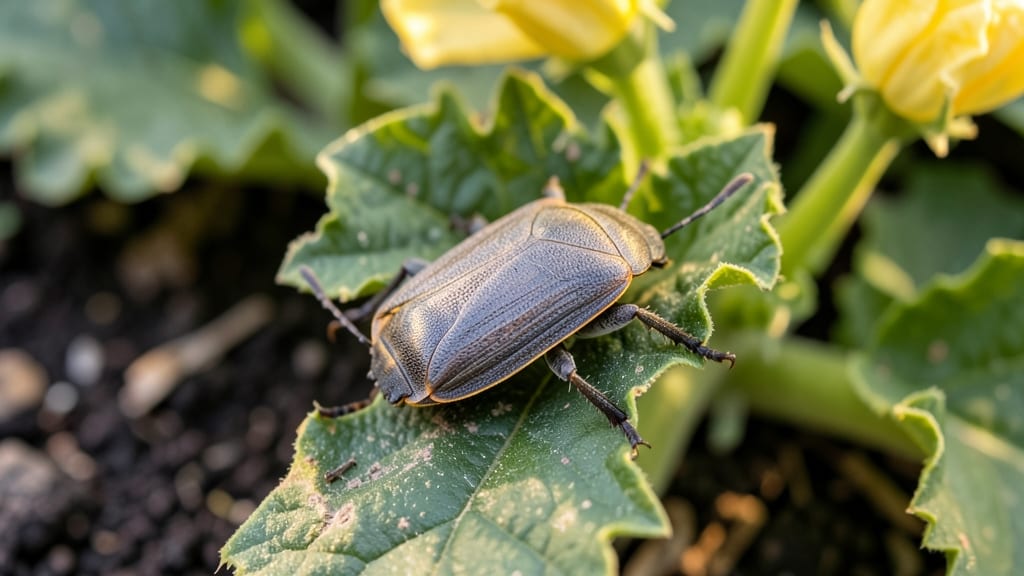
How to get rid of squash bugs in the garden—these armored pests are the sneakiest saboteurs of summer harvests. 🌿 I’ve lost entire rows of zucchini to these pests, but I finally cracked their life cycle with an organic spray that stops them before they start.
The secret isn’t just killing adults—it’s targeting their eggs and nymphs before they hatch. Most gardeners miss this step, which is why infestations spiral out of control. My spray uses neem oil and insecticidal soap to smother eggs while disrupting the adults’ feeding patterns.
Within 48 hours, you’ll see fewer adults laying eggs, and new growth stays vibrant and undamaged. The key is timing: apply it twice weekly during peak squash bug season (late spring to early summer).
Works for all squash family plants—zucchini, pumpkins, cucumbers, and even melons. Let’s break their cycle for good.
Root Causes of Squash Bug Infestations
Squash bugs (Anasa tristis) may seem like they appear out of nowhere, but their invasion is rarely random. Understanding the why behind their presence in your garden is the first step to stopping them in their tracks.
These pests don’t just show up—they’re drawn by specific conditions that turn your squash, pumpkin, or zucchini patch into an all-you-can-eat buffet. Let’s break down the science-backed reasons these shield-backed invaders take over your plants.
Squash bugs thrive where plants are weak, and overcrowding is a major stressor. When vines grow too close together, airflow is restricted, creating a humid microclimate that these pests adore. Poor air circulation also slows down plant recovery, making them more vulnerable to damage.
Why it happens:
- Competition for nutrients weakens plants, reducing their ability to produce bitter compounds that deter squash bugs.
- Shaded, damp leaves provide the perfect hiding spot for eggs and nymphs, shielding them from natural predators and weather.
- Root competition leads to stunted growth, making plants easier targets for feeding.
Actionable insight: Space your squash plants 4–6 feet apart (depending on the variety) to improve airflow and reduce humidity. Prune excess foliage to expose leaves to sunlight and speed up drying.
Squash bugs are prolific layers, and their eggs can survive winter if left undisturbed in garden debris. A single female can lay 10–20 eggs per clutch, and some species produce multiple generations per season.
If you missed cleaning up last year’s plant remnants, you’re essentially inviting next year’s infestation to arrive early.
Why it happens:
- Eggs are laid on stems, leaves, or soil near host plants and are camouflaged to avoid detection.
- Organic mulch or leaf litter provides insulation, protecting eggs from freezing temperatures.
- Spring warmth triggers hatching, often before gardeners notice the problem.
Actionable insight: In late fall or early spring, remove all plant debris (including vines, leaves, and mulch) from the garden bed. Composting is fine, but avoid leaving anything near squash plants—even small stems can harbor eggs.
Squash bugs are specialized feeders—they only attack plants in the Cucurbitaceae family, which includes:
- Squash (butternut, acorn, zucchini)
- Pumpkins
- Cucumbers
- Melons (watermelon, cantaloupe)
- Gourds
If you’ve planted these crops year after year in the same spot, you’ve created a permanent buffet for squash bugs. Their sharp, piercing mouthparts allow them to suck plant sap, causing wilting, yellowing, and eventual death of vines.
Why it happens:
- Monoculture planting (growing only one type of plant) removes natural diversity, making it easier for pests to find and stay.
- Volatile organic compounds (VOCs) emitted by stressed cucurbit plants attract squash bugs from miles away.
- Weedy hosts like wild gourds or buffalo gourds can also harbor squash bugs, acting as a reservoir for your garden.
Actionable insight: Practice crop rotation—avoid planting cucurbits in the same spot for at least 3 years. Interplant with non-host crops (like herbs, beans, or brassicas) to disrupt their feeding patterns.
Squash bugs love heat and humidity, and they’re opportunistic hitchhikers. If your garden has protected spots—like under black plastic mulch, in dense mulch beds, or near stone walls—they’ll thrive there without natural predators keeping them in check.
Why it happens:
- Black plastic mulch retains heat and moisture, creating a tropical environment that speeds up their life cycle.
- Stone borders or dense mulch provide shade and shelter, protecting eggs and nymphs from drying out.
- Lack of natural predators (like birds, parasitic wasps, or ground beetles) in urban or suburban gardens gives squash bugs an unfair advantage.
Actionable insight:
- Use straw or grass mulch instead of black plastic to moderate temperature and improve predator access.
- Remove hiding spots like thick mulch piles or debris near plant bases.
- Encourage beneficial insects by planting dill, fennel, or yarrow nearby—they attract predatory wasps that hunt squash bug eggs.
Even well-meaning gardening practices can accidentally spread squash bugs. If you reuse containers, tools, or compost without proper sanitation, you might be unwittingly transporting these pests from one part of your garden—or even your neighbor’s—to another.
Why it happens:
- Contaminated pots or flats from previous years can carry eggs or nymphs.
- Shared gardening tools (like pruners or trowels) may transfer squash bugs to healthy plants.
- Compost piles that aren’t hot enough (above 140°F) can preserve squash bug eggs instead of killing them.
Actionable insight:
- Disinfect tools with rubbing alcohol or a 10% bleach solution between uses.
- Avoid composting cucurbit debris—instead, bag and trash it to prevent reinfestation.
- Inspect new plants before transplanting—check undersides of leaves and stems for eggs or bugs.
Quick Fixes for Squash Bug Havoc
Squash bugs are relentless, but with the right strategies, you can reclaim your garden without resorting to harsh chemicals. The key is to act fast—these pests multiply quickly, and early intervention saves your plants.
Below, we’ll break down the most effective fixes based on the root cause of your infestation, from physical removal to organic sprays and long-term prevention. Let’s tackle this step by step!
If you’ve spotted adult squash bugs (those shield-shaped, grayish-brown beetles) or their eggs (tiny, shiny clusters under leaves), your first line of defense is manual removal. This is especially critical in early spring when populations are small.
- 👨🍳 How to do it:
- Morning is best—squash bugs are sluggish in cool temps (before 9 AM).
- Shake plants gently over a bucket of soapy water (1 tbsp dish soap + 1 gallon water) to dislodge adults and nymphs.
- Scrape off egg masses with a stiff brush or your fingernail (they look like tiny yellow blobs glued to stems or leaf undersides).
- Crush adults with a gloved hand or step on them—no mercy! (Their crushed bodies release a foul odor that deters others.)
- ✨ Pro tip: Use a drop cloth under plants to collect bugs for easy disposal. Double-bag them in plastic to prevent escape.
Squash bugs are vulnerable to neem oil, insecticidal soap, and kaolin clay, which disrupt their feeding, mating, and egg-laying. These sprays are safe for plants, pets, and kids when used correctly.
| Spray Type | How to Use | Best For |
|---|---|---|
| Neem Oil | Mix 2 tbsp neem oil + 1 tsp mild soap + 1 quart water. Spray evenly (top/bottom of leaves). Repeat every 5–7 days. | Eggs, nymphs, adults (disrupts hormones) |
| Insecticidal Soap | 2 tbsp soap (like Dr. Bronner’s) + 1 quart water. Spray directly on bugs (avoid blooms). Reapply after rain. | Nymphs, soft-bodied adults |
| Kaolin Clay | 2 tbsp Surround WP + 1 quart water. Shake well and spray all plant surfaces. | Deters adults from laying eggs |
- 💡 Pro tip: Add a little horticultural oil (1 tsp per quart) to neem sprays for extra smothering power. Spray in the evening to avoid harming bees.
Squash bugs love moisture and mulch, so drying out their habitat and blocking entry points can starve them out.
- 🍅 Trap Crops:
- Plant radishes or nasturtiums near squash plants. Bugs prefer these, luring them away from your main crops.
- Sacrifice a few plants—let them get infested, then remove and destroy them.
- 🛡️ Physical Barriers:
- Row covers (floating fabric) over young plants block adults from laying eggs.
- Copper tape wrapped around stems can repel crawling bugs (they dislike the metal’s charge).
- 🌡️ Mulch Management:
- Remove old mulch from around squash plants—bugs hide in it over winter.
- Use straw or pine needles instead of wood chips (less attractive to squash bugs).
The best defense? Preventing squash bugs from moving in at all. Here’s how to future-proof your garden:
- 🌱 Crop Rotation:
- Squash bugs target cucurbits (squash, pumpkins, cucumbers, melons). Rotate planting locations yearly to break their cycle.
- 🌿 Companion Planting:
- Marigolds, basil, and thyme repel squash bugs with their strong scents.
- Interplant with onions or garlic—their smell confuses bugs.
- 🚫 Clean Up Debris:
- Remove all plant debris in fall (especially squash vines). Burn or bag it—eggs overwinter in dead leaves!
- 🎯 Early Planting Trick:
- Start squash indoors and transplant after the last frost when soil is warm. Bugs emerge later in the season, giving plants a head start.
If your garden is overrun (dozens of bugs, wilting plants), consider: - Beneficial insects: Spined soldier bugs and big-eyed bugs eat squash bug eggs. Release them in early summer. - Diatomaceous earth (DE): Sprinkle food-grade DE around plant bases (reapply after rain).
It dehydrates bugs on contact. - Professional help: For large-scale farms, pyrethrin-based sprays (organic insecticide) can be a last resort—use only as directed.
Final Thought: Squash bugs are tough, but consistency is your superpower. Combine hand-picking, sprays, and prevention, and you’ll starve out the infestation before it takes over. Check plants weekly—early action means fewer battles later! 🚜🌱
Frequently asked questions about squash bug control
What do squash bug eggs look like, and where should I check for them?
Squash bug eggs are tiny, shiny, and yellowish-brown, often laid in clusters on the undersides of leaves or along stems. Check near leaf veins, leaf edges, and the main stems of your squash plants. They’re about the size of a pinhead and look like tiny footballs glued to the plant.
Can I use vinegar spray to kill squash bugs?
Yes, but it’s not the most effective method. A 1:1 vinegar and water solution with a drop of dish soap can kill adults on contact, but it won’t harm eggs or nymphs. For better results, use it as a spot treatment for visible bugs rather than a full spray. Reapply every 2-3 days during peak infestation.
How long does it take for neem oil to work on squash bugs?
Neem oil works within 24-48 hours for adults and nymphs, but it may take 3-5 days to fully disrupt their life cycle. For best results, apply it in the evening when bees are less active, and repeat every 5-7 days until the infestation is under control.
Will squash bugs go away on their own if I ignore them?
Unlikely. Squash bugs reproduce rapidly, and a single female can lay 10-20 eggs per clutch. Without intervention, they’ll multiply and damage your plants. Early action—like hand-picking or sprays—is critical to prevent a full-blown infestation that could destroy your harvest.
Can I use coffee grounds to repel squash bugs?
Coffee grounds can help slightly by improving soil health, but they’re not a reliable squash bug repellent. For better results, mix them with kaolin clay (like Surround WP) to create a barrier that deters adults. Sprinkle around plant bases and reapply after rain.