
Pests
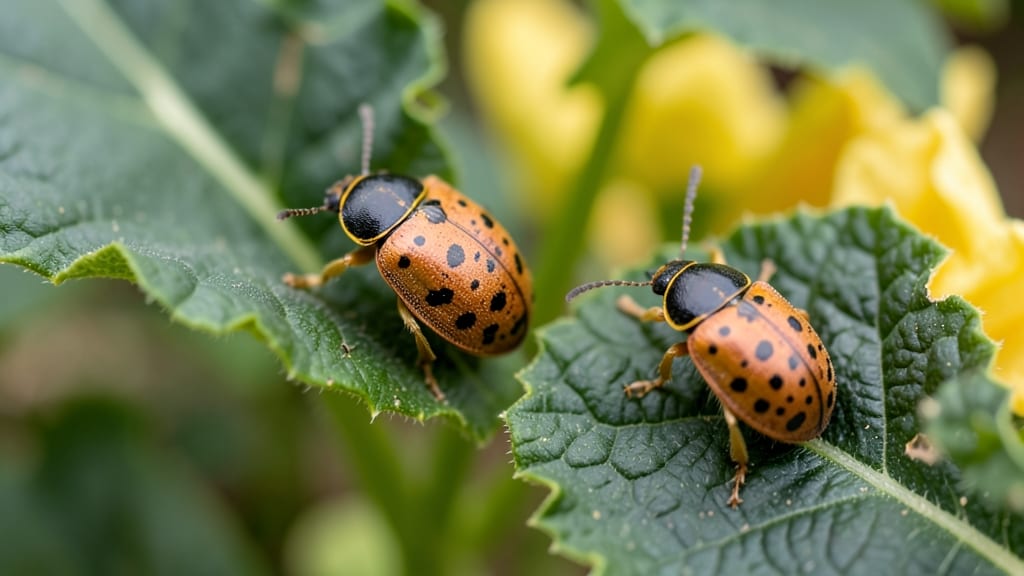
How to get rid of squash lady beetles—those striped garden wreckers—before they turn your plants into defoliated disasters. 🌱 I learned the hard way: my zucchini plants went from lush to skeletonized in 48 hours. These aren’t your typical ladybugs; they’re plant-eating machines that multiply fast. The boiling water trick works like a charm: pour it directly on their egg clusters (tiny yellow specks on leaf undersides) to smother them instantly. Pair this with handpicking adults into soapy water, and you’ll reclaim your garden without chemicals. My plants bounced back within a week. You’ll spot the damage first—ragged leaves and tiny black droppings. The key is acting fast: these beetles lay 100+ eggs at a time, and they hatch in days. Prevention means checking plants daily and removing eggs before they hatch. This method works for any squash family (cucumbers, melons, pumpkins) and keeps your harvest safe for the table. Let’s get those beetles under control—naturally.
The Real Culprits Behind Beetle Infestations
Squash lady beetles—those tiny, vibrant invaders—don’t just appear out of nowhere. Their presence in your garden or home is usually a sign of underlying conditions that make your space an irresistible buffet or breeding ground.
Understanding why these beetles show up is the first step to stopping them in their tracks. Let’s break down the science-backed reasons these pests decide to crash your party.
Squash lady beetles (also called squash bugs or Anasa tristis) are drawn to soft, rotting, or overripe squash. Why? Because their eggs and nymphs thrive in environments where the plant tissue is breaking down—it provides easy access to nutrients and shelter from predators.
Here’s the science:
- Sugar and moisture: Overripe squash releases simple sugars and high moisture levels, which signal to beetles that it’s a prime spot to lay eggs. The beetles’ antennae detect these chemical cues from yards away.
- Weakened plant defenses: As squash softens, its natural chemical defenses (like cucurbitacins) weaken, making it easier for beetle larvae to feed and grow.
- Microclimate perfection: Decaying squash creates a humid, shaded microclimate—ideal for beetle eggs to hatch and nymphs to develop without drying out.
Actionable insight: If you’ve ever left squash on the vine too long or noticed bruised spots, you’ve essentially built a beetle nursery. Pro tip: Harvest squash promptly and remove any damaged or fallen fruit immediately—don’t let it sit on the ground for even a day.
Squash lady beetles are opportunistic survivors. In cooler months, they seek out protected, insulated spots to overwinter—like leaf litter, mulch piles, or even cracks in your home’s foundation. If your garden or home provides these cozy hideouts, you’ll see them re-emerge in spring, hungry and ready to reproduce.
Key triggers:
- Thick mulch or debris: Organic mulch (especially thick layers) traps heat and moisture, creating a beetle-friendly hibernation zone. Leaf litter and grass clippings piled near plants do the same.
- Cracks and crevices: Gaps in siding, under eaves, or around windowsills offer shelter from predators and temperature swings—perfect for adult beetles to wait out winter.
- Undisturbed soil: Tilled or compacted soil retains heat and moisture longer, making it a magnet for overwintering beetles.
Actionable insight: Before winter, clear debris from garden beds and store mulch away from plants. Seal cracks in your home’s exterior with caulk or weatherstripping to deny them shelter. Pro tip: 🌡️ In fall, rake up leaf litter and dispose of it in sealed bags—beetles can survive in dried leaves for months!
Squash lady beetles are host-specific, meaning they target plants in the Cucurbitaceae family (squash, pumpkins, cucumbers, melons, and zucchini). If your garden is a cucurbit paradise, you’re essentially rolling out the welcome mat for these pests.
Why this happens:
- Chemical signaling: Cucurbit plants release volatile organic compounds (VOCs) when stressed or damaged. Beetles detect these signals and follow the scent trail straight to your garden.
- Lack of natural predators: While birds and parasitic wasps may eat some beetles, monoculture gardens (planting only cucurbits) reduce biodiversity, giving beetles an edge.
- Plant vulnerability: Young, tender cucurbit seedlings are especially attractive because their thin stems are easy for beetle mouthparts to penetrate.
Actionable insight: If you grow cucurbits, interplant them with beetle-repelling companions like basil, marigolds, or nasturtiums. Rotate crops yearly to disrupt beetle life cycles. Pro tip: 🎯 Avoid planting cucurbits in the same spot for 3+ years—this breaks the beetle’s “home turf” advantage.
Squash lady beetles are highly sensitive to weather. Certain conditions create a perfect storm for their reproduction and survival, leading to explosive population growth.
Critical weather factors:
- Warm, humid springs: Eggs hatch faster in temperatures above 60°F (15°C) with high humidity. A wet spring also softens plant tissue, making it easier for nymphs to feed.
- Drought stress: When cucurbit plants wilt or show signs of drought, their chemical composition changes, attracting more beetles as they perceive the plants as “weak.”
- Cool, dry summers: While adults may slow down, eggs and nymphs can still develop if shelter (like mulch) is present. Dry conditions also reduce natural predators like ground beetles.
Actionable insight: Monitor weather forecasts and adjust irrigation to keep cucurbits healthy but not stressed. Use drip irrigation to avoid wetting foliage (which can spread fungal diseases that weaken plants). Pro tip: 💡 If a heatwave is forecasted, shade young plants with row covers to prevent wilting.
Now that you know why squash lady beetles throw a party in your garden, the next step is to turn the tables and make your space unwelcoming. Stay tuned for science-backed strategies to evict them—for good!
Practical Fixes for Squash Lady Beetles
Now that you understand why these pesky invaders target your squash plants, it’s time to tackle them head-on with effective, garden-friendly solutions. Below, we’ve mapped out targeted fixes based on the most common causes—from egg-laying hotspots to adult beetle infestations—along with prevention tips to keep them away for good.
Squash lady beetles (also called squash bugs) lay eggs in clusters on the undersides of leaves and stems. Boiling water is your secret weapon—it smothers eggs instantly without harming your plants.
How to do it: 🔥 Step 1: Identify egg clusters (tiny, flat, tan or gray ovals). 🍳 Step 2: Boil water in a small pot or kettle. 👨🍳 Step 3: Carefully pour the boiling water directly over the eggs (aim for the underside of leaves). ⏰ Step 4: Repeat every 3–4 days until no new eggs appear.
Pro tip: 💡 Do this in the early morning when beetles are less active, so you catch more eggs.
Adult squash lady beetles are tough but can be physically removed with minimal effort.
How to do it: 🔪 Step 1: Wear gloves (they secrete a foul-smelling fluid when crushed). 🍃 Step 2: Handpick beetles from leaves and stems—drop them into soapy water to kill them instantly. 🌡️ Step 3: Check plants daily for new adults, especially after rain (they’re most active then).
Pro tip: ✨ Use a shop vacuum for large infestations—it’s faster and less messy!
Once you’ve eliminated existing beetles, keep them away with these low-maintenance strategies:
| Method | How to Use It | Best For |
|---|---|---|
| Row Covers | Lightweight fabric draped over plants to block adults from laying eggs. | Early season prevention |
| Yellow Sticky Traps | Hang traps near plants—beetles are attracted to yellow and get stuck. | Monitoring & reducing adults |
| Diatomaceous Earth | Sprinkle food-grade DE around plant bases (kills eggs & soft-bodied beetles). | Organic, long-term defense |
| Neem Oil Spray | Spray on leaves (follow package instructions) to repel and disrupt egg-laying. | Organic control |
Pro tip: 🎯 Rotate methods—beetles can develop resistance, so mix up your approach!
Healthy squash plants are less appealing to squash lady beetles. Boost resilience with:
- Proper spacing (avoids overcrowding, which attracts pests).
- Regular pruning (removes hiding spots for eggs).
- Companion planting (marigolds and nasturtiums repel beetles naturally).
Final reminder: Consistency is key! Check your plants weekly, especially after rain, and act fast—early intervention prevents full-blown infestations. With these tactics, your squash patch will stay beetle-free and thriving! 🍉💪
Frequently asked questions
Are squash lady beetles the same as regular ladybugs?
No—they're completely different! Regular ladybugs (lady beetles) are beneficial predators that eat garden pests, while squash lady beetles (or squash bugs) are plant-eating pests that target cucurbit crops. The key difference: beneficial ladybugs have rounded, dome-shaped backs, while squash bugs are flat and striped.
How do I know if I have squash lady beetle eggs?
Look for tiny, flat, tan or gray oval clusters on the undersides of leaves and stems—these are their eggs. They're about 1/16-inch long and often hidden near leaf veins. Check daily after rain, as this triggers egg-laying. Early detection is crucial since these eggs hatch in just 5-10 days.
Will neem oil harm my squash plants?
When used correctly, neem oil is safe for squash plants! Always mix it with a drop of dish soap (1 teaspoon per quart of water) to help it stick. Apply in early morning on a cloudy day to avoid burning leaves. Avoid spraying when flowers are open to protect pollinators.
Can I use boiling water on mature squash plants?
Yes, but with caution—only target the undersides of leaves where eggs hide. Avoid pouring near stems or flowers. For mature plants, use a small, narrow stream to minimize leaf damage. Test on one leaf first to check for sensitivity.
What should I do if beetles keep coming back?
Rotate your methods! Try alternating between handpicking, boiling water, and diatomaceous earth. Also check for hidden eggs in mulch or leaf litter. Consider adding companion plants like marigolds or nasturtiums—their strong scents naturally repel beetles.