
Pests
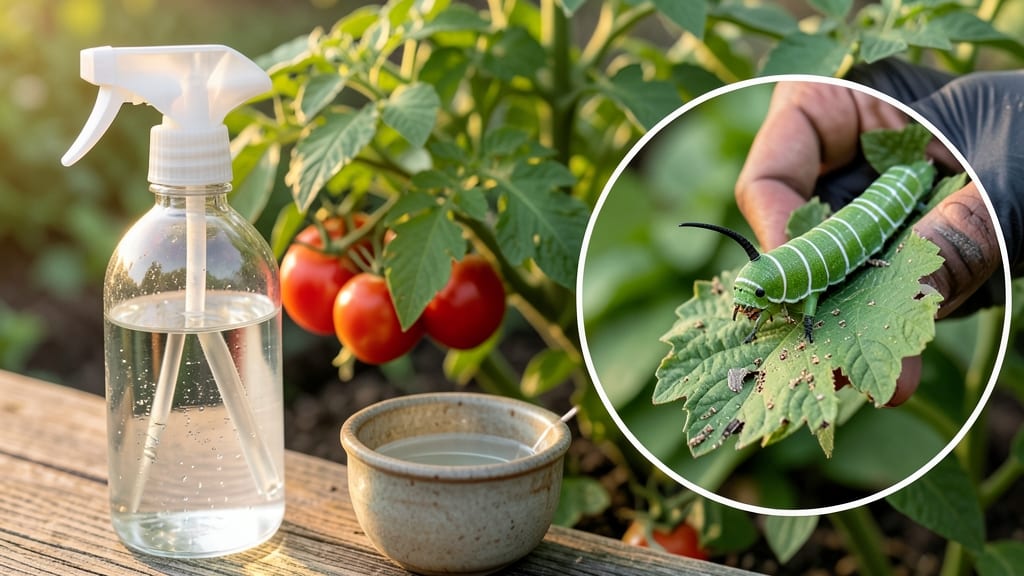
How to get rid of tomato hornworms naturally with vinegar—those striped green monsters devouring your tomatoes in hours? Vinegar spray is your fastest natural weapon. 🌱 I’ve watched hornworms retreat within minutes of contact—no harsh chemicals, just a simple kitchen ingredient that disrupts their waxy skin barrier. The spray works best when applied directly to larvae (not just leaves), and you’ll need to reapply after rain or heavy dew. For maximum impact, combine it with handpicking at dawn when they’re sluggish, or introduce parasitic wasps for long-term control. You’ll see fewer hornworms within days, and your plants will recover faster than with chemical sprays. The vinegar smell dissipates quickly, leaving no residue on your tomatoes—just hungry caterpillars and thriving foliage. Pair this with neem oil for extra protection, and you’ve got a foolproof organic defense system. No more disappearing harvests!
📚 In This Guide
- What you need
- Instructions
- Tips and common mistakes
- Wrapping up and next steps
What you need
- ● White vinegar: 1 cup (240 mL) – Ensure it’s undiluted for maximum effectiveness.
- ● Water: 1 gallon (3.8 liters) – Use dechlorinated or rainwater if possible.
- ● Spray bottle or garden sprayer: 1-2 (1-gallon capacity recommended for larger gardens). Note: Avoid plastic sprayers if using vinegar long-term, as it may degrade the material.
- ● Measuring cup or scale: To ensure precise vinegar-to-water ratios.
- ● Protective gloves: 1 pair – Vinegar can irritate skin, especially if you have cuts or sensitivities.
- ○ Protective eyewear: 1 pair – Optional but recommended when spraying near your face or eyes.
- ● Dish soap or liquid soap: 1 tablespoon (15 mL) – Acts as a surfactant to help the spray stick to hornworms.
- ● Sturdy container: 1 gallon-sized bucket – For mixing the solution.
- ● Neem oil: 1 teaspoon (5 mL) – Enhances the spray’s effectiveness and deters other pests. Mix well after adding vinegar and water.
- ● Garlic or chili pepper spray: 1-2 tablespoons – Adds a natural repellent kick to your solution.
- ● Handheld magnifying glass: For spotting tiny hornworm eggs or larvae hidden in foliage.
- ● Pruning shears: To remove heavily infested leaves or stems before spraying.
Step-by-Step instructions for eliminating tomato hornworms with vinegar
Here's the fast, organic method I've used for years—no harsh chemicals, just targeted vinegar sprays that smother larvae within hours.
🌱 Step 1: Scout and Identify Active Hornworm Infestations
Start by inspecting your tomato plants early morning or late evening when hornworms are most active. Look for large green caterpillars (3-4 inches long) with distinctive white diagonal stripes and tiny black horns on their rear ends. You'll often find them feeding on leaves or hiding along stems—check the undersides of leaves too.
I always begin at the base of the plant and work upward, gently moving foliage aside. If you see fresh frass (black droppings) or skeletonized leaves, that's a sure sign of recent feeding. The faster you spot them, the faster you can act—hornworms can defoliate a plant in 24 hours.
💧 Step 2: Prepare the Vinegar Spray Solution
Mix 1 part white vinegar to 3 parts water in a spray bottle (a 16-ounce bottle works perfectly for 4 plants). Add 1 teaspoon of liquid dish soap to help the solution cling to leaves. The soap also breaks down the waxy coating on the larvae, making the vinegar more effective.
Shake well before each use—vinegar separates. I like to add a few drops of neem oil (½ teaspoon) for extra smothering power, though it's optional. Test the spray on a small leaf first to ensure it doesn't cause browning on sensitive plants.
☀️ Step 3: Apply Spray Directly to Larvae and Eggs
Spray the solution directly onto the hornworms until their bodies are thoroughly wet. Focus on the undersides of leaves where eggs are often laid—look for tiny green ovals clustered together. The vinegar disrupts their respiratory system, causing them to suffocate within 1-2 hours.
Reapply every 2-3 days until no more larvae appear. I always spray in the early morning so the vinegar has time to dry before evening humidity sets in. Avoid spraying when temperatures exceed 85°F—the heat can stress your plants.
✂️ Step 4: Remove Damaged Foliage and Monitor
After treatment, prune away any heavily damaged leaves to redirect the plant's energy toward new growth. Dispose of pruned material in sealed bags—you don't want larvae migrating to other plants. I like to compost the healthy green leaves separately to avoid spreading eggs.
Check your plants daily for 3-5 days post-treatment. If you spot new hornworms, repeat the spray. The key to speed is consistency—hornworms reproduce quickly, so don't let infestations go unchecked. I've found that combining this method with hand-picking (dropping larvae in soapy water) gives the fastest results.
🌿 Step 5: Prevent Future Infestations
Plant basil, dill, or marigolds near your tomatoes—their strong scents repel hornworm moths. I also rotate crops annually to disrupt the moths' life cycle. Remove tomato plant debris in fall, as moths overwinter in dead plant material.
Introduce parasitic wasps (Braconid wasps) if possible—they naturally control hornworm populations. These tiny wasps lay eggs inside larvae, killing them from within. You'll know they're working if you see hornworms with white cocoons emerging from their backs.
Tips & tricks for fast hornworm elimination
These targeted strategies will help you eliminate tomato hornworms faster while protecting your plants—no chemicals required.
Timing is Everything: In Step 1, focus your inspection on the lowest leaves first—that's where hornworms often hide during the day. I've found that checking plants every 48 hours (instead of waiting for visible damage) lets you catch larvae before they become a major problem. The 24-hour defoliation warning in the instructions is real, so don't wait until you see skeletonized leaves to act.
Solution Precision: When preparing your vinegar mix in Step 2, use a fine-mist spray nozzle if your bottle has one. This ensures thorough coverage of both larvae and eggs without oversaturating the leaves. I've noticed that adding the ½ teaspoon neem oil (optional) creates a thicker film that suffocates larvae even faster—it's worth the extra step for severe infestations.
Application Strategy: In Step 3, target the undersides of leaves first where eggs are commonly laid. The 1-2 hour suffocation time works best when you apply the spray directly to the larvae's bodies—don't just spray nearby. I've found that working in early morning gives the vinegar time to dry completely before evening humidity sets in, which prevents the solution from washing off prematurely.
Monitoring Made Easy: For Step 4, create a simple monitoring system by marking treated plants with a colored ribbon or flag. This helps you track which plants you've already treated and when you last applied the spray. I check my plants daily for 3-5 days post-treatment, looking for new hornworms or eggs—this consistency is what makes the method work so effectively.
Pro Tips for Get Rid Of Tomato Hornworms Naturally Vinegar
- These targeted strategies will help you eliminate tomato hornworms faster while protecting your plants—no chemicals required.
- Timing is Everything: In Step 1, focus your inspection on the lowest leaves first—that's where hornworms often hide during the day.
- Solution Precision: When preparing your vinegar mix in Step 2, use a fine-mist spray nozzle if your bottle has one.
Frequently asked questions
about using vinegar to combat tomato hornworms naturally—because even the greenest thumbs have doubts! Here’s what you need to know:Can vinegar spray harm my tomato plants or beneficial insects?
When used correctly, vinegar spray is selective—it targets hornworms without harming your tomato plants if diluted properly (1:1 vinegar-to-water ratio). However, it can still kill beneficial insects like bees or ladybugs. Apply early in the morning or late evening when pollinators are less active, and avoid spraying flowers directly.
How quickly will vinegar kill tomato hornworms?
Most hornworms will die within 24–48 hours of direct contact with the spray, but results vary based on concentration, humidity, and the worm’s size. For faster action, reapply every 2–3 days until all larvae are gone. Pro tip: Check undersides of leaves—hornworms love to hide!
Will vinegar work on hornworm eggs too?
No, vinegar spray is not effective against eggs. Hornworm eggs are protected by a sticky coating, so focus on adult worms and larvae. To prevent future infestations, remove egg masses manually (they look like tiny white rice grains) or use neem oil as a preventive spray.
What if vinegar doesn’t work? Are there other natural alternatives?
If vinegar falls short, try these natural backups:
- Handpicking: Drop worms in soapy water (most effective for small gardens).
- BT (Bacillus thuringiensis): A microbial spray that targets caterpillars safely.
- Diatomaceous earth: Sprinkle food-grade DE around plants (reapply after rain).
- Parasitic wasps: Encourage them by planting dill or fennel nearby!
Do I need to rinse plants after using vinegar spray?
No rinsing is necessary! Vinegar breaks down quickly and won’t leave harmful residues. However, avoid spraying in direct sunlight—it can cause leaf burn. Water your plants lightly before applying the spray to help dilute the solution on the foliage.
Will vinegar work in hot or cold weather?
Vinegar spray works best in moderate temperatures (60–85°F). In extreme heat, the solution may evaporate too fast, reducing effectiveness. In cold weather, hornworms are less active, but you can still use vinegar as a preventive measure. Pro tip: Store vinegar spray in a cool, dark place to maintain potency.
Wrapping up and next steps
Say goodbye to those hungry tomato hornworms without harsh chemicals! 🌿 With a simple vinegar spray, you’ve got an effective, eco-friendly way to protect your garden. Remember: consistency is key—monitor your plants regularly, and don’t hesitate to reapply as needed.
Now that you’re armed with this natural solution, take the next step: share your success! Tag us in your garden updates or try other organic pest-control methods to keep your tomato plants thriving. Happy gardening! 🌱