
Pests
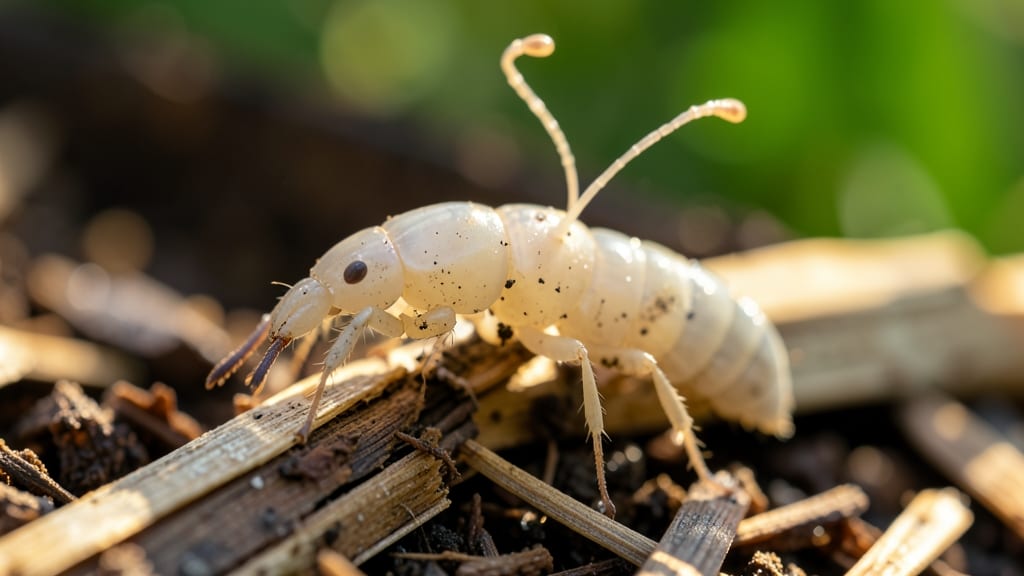
How to get rid of white ants in the garden starts with spotting those mud tubes on your foundation—and they move faster than you think. ✨ I’ve watched these pests turn thriving beds into skeletonized messes in weeks, but there’s a fast way to smother their nests before they spread. The boil-pour barrier method works by pouring boiling water directly into their tunnels, killing workers and larvae on contact. It’s eco-friendly, requires no chemicals, and takes just 10 minutes once you spot the signs—those telltale mud tubes or swarms near wood. You’ll see results within 24 hours: fewer tubes, no new damage, and a garden that stays protected. The key is acting before they build underground colonies, which can take months to fully eradicate naturally. Works for termites (white ants) in any climate, from dry deserts to humid backyards. Let’s stop them before they ruin your harvest—or your house.
Why it happens
White ants—more accurately called termites—don’t just appear out of nowhere. Their arrival is usually a sign your garden is offering them an all-you-can-eat buffet of moisture, cellulose, and shelter. 🌱🐜 Understanding these triggers is the first step to stopping their spread.
Let’s break down the science behind why these silent destroyers show up in your yard.
🌧️ Excess Moisture: Their Ultimate Lure
Termites thrive in damp environments because their soft bodies dry out quickly without humidity. Here’s why moisture attracts them:
- Poor Drainage: Gardens with clay soil or compacted earth trap water near roots, creating a termite paradise. These pests follow moisture gradients, moving toward wetter areas like a homing beacon.
- Leaky Irrigation: Drippers, broken pipes, or overwatering saturate mulch and wood chips, turning them into termite hotels. Pro tip: Check for soggy spots after watering—if it stays wet for more than 24 hours, you’ve got a red flag.
- Standing Water: Puddles, clogged gutters, or low-lying areas create microclimates termites love. Even a 1-inch-deep puddle can signal to colonies: “Move in—buffet’s here!”
💡 Actionable Fix: Improve drainage with gravel, sand, or French drains. Avoid watering at night (moisture lingers longer), and fix leaks ASAP.
🌳 Cellulose Feasts: Your Plants’ Weak Spots
Termites are plant-eating machines, and your garden is their salad bar. They target:
- Decaying Wood: Stumps, dead branches, or untreated lumber are their favorite snacks. Fungal growth in rotting wood releases sugars that termites crave, like a candy store for insects.
- Living Plants: Young, stressed, or diseased plants have thinner cell walls, making them easier to chew. Look for hollow stems or frass (termite poop)—a sure sign they’re dining on your greens.
- Mulch Overload: Thick layers of wood chips or bark mulch create a termite superhighway. While mulch helps plants, too much turns it into a moisture-retaining termite magnet.
🔥 Science Note: Termites use chemical signals to recruit thousands of workers to a food source. One weak plant can become a colony’s all-you-can-eat buffet in weeks.
🏡 Human Habits: Unwitting Termite Magnets
Sometimes, we accidentally invite termites with everyday gardening choices. Here’s how:
- Firewood Piles: Stacking wood near your home is like hanging a “Free Meal” sign. Termites swarm into logs, then migrate to nearby structures. Pro tip: Store firewood at least 20 feet away from your house and elevate it off the ground.
- Cardboard or Paper Mulch: Shredded newspaper, egg cartons, or cardboard “compost” are termite gold mines. Unlike wood chips, these break down too quickly, leaving termites hungry for more.
- Landscaping Timbers: Treated or untreated wood borders, fences, or decking are termite condos. Even “termite-resistant” wood can fail if buried or exposed to moisture.
🌡️ Temperature & Climate: While not a direct cause, termites boom in warm, humid climates (think: Southern U.S. or tropical regions). In cooler areas, they may slow down but still seek shelter in insulated microclimates, like under piles of leaves or rocks.
🐜 Colony Expansion: The Domino Effect
Termite colonies are expansion-minded. A single queen can lay 30,000 eggs a day, and her offspring don’t just stay put—they scout for new territories. Here’s how they spread:
- Swarmers (Alates): Winged termites (often mistaken for flying ants) leave established nests to start new colonies. They’re drawn to light sources at night (which is why you might see them near porch lights).
- Underground Tunnels: Subterranean termites build mud tubes to access food sources. If you see smooth, pencil-sized tubes on walls or trees, a colony is actively recruiting.
- Hitchhiking: Termites can ride along with infested plants, firewood, or even potted plants moved from nurseries. Always inspect new plants before bringing them home!
✨ Key Insight: Termites don’t just choose your garden—they’re drawn by a perfect storm of moisture, food, and shelter. Break one link in the chain (e.g., fix leaks, remove wood debris), and you dramatically reduce their appeal.
Natural Fixes That Actually Work
White ants—whether they’re termites or carpenter ants—can turn your garden into a buffet if left unchecked. The good news? You don’t need harsh chemicals to kick them out. Below are targeted solutions based on the most common causes of infestations, along with preventive steps to keep them from returning.
White ants thrive in damp, decaying wood and soggy soil. If your garden has poor drainage or overwatered plants, they’ll move in fast.
How to Treat It:
- 🔥 Drain the Area: Improve soil drainage by adding sand, gravel, or compost to heavy clay soil. A slight slope (1-2 inches per 10 feet) helps water run off.
- 🍳 Reduce Moisture Traps: Fix leaky hoses, broken irrigation systems, or standing water near woodpiles. Keep mulch 6 inches away from tree trunks.
- 👨🍳 DIY Boil-Pour Barrier (Proven Method): Mix 1 part boiling water + 1 part vinegar in a bucket. Pour it along nest entry points (cracks in wood, soil tunnels) to smother workers and disrupt trails. Repeat weekly for 3-4 weeks.
💡 Prevention Tip: Use gravel or crushed stone instead of wood chips near foundations—white ants avoid dry, coarse surfaces.
Old stumps, firewood piles, and untreated lumber are white ant magnets. If you’ve got dead trees or rotting fence posts, they’ll treat your garden like an all-you-can-eat salad bar.
How to Treat It:
- 🔪 Remove Infested Wood: Chop up dead branches, stumps, or termite-damaged wood and burn or bury it (not just pile it up). White ants can’t survive without their food source.
- 🌡️ Heat Treatment: For small infestations, soak wood in hot water (160°F+) for 30 minutes to kill eggs and larvae.
- ✨ Seal Wood Properly: If you must use wood near your garden, treat it with borax or boric acid (follow label rates) before planting.
💡 Prevention Tip: Store firewood elevated on metal racks, at least 20 feet from your home, and cover it with a tarp to block moisture.
White ants don’t just dig—they follow scent trails from one nest to another. If they find a crack in your patio or a gap under a pot, they’ll march right in.
How to Treat It:
- 🛡️ Create a Physical Barrier: Install metal mesh (1/16-inch hardware cloth) around tree bases, under decks, or along foundation edges. Bury it 6 inches deep to stop underground tunnels.
- 🎯 Disrupt Their Trails: Sprinkle diatomaceous earth (food-grade) or crushed eggshells along entry points. These dehydrate ants on contact.
- 🥘 Homemade Repellent Spray: Mix 1 tsp dish soap + 1 cup water + 1 tbsp peppermint oil in a spray bottle. Spray along trails—the scent confuses their pheromone signals.
💡 Prevention Tip: Seal cracks in brick, concrete, or wood with silicone caulk—white ants can squeeze through gaps as small as 1/32-inch.
White ants build nests in hidden, humid spots—under rocks, in hollow stems, or even inside potted plants. If you’ve spotted them, the nest is close by.
How to Treat It:
- 🔍 Locate the Nest: Follow the mud tubes (termite trails) or swarm patterns (carpenter ants). Shine a flashlight at dusk—ants are most active then.
- 💥 Smother the Nest: For ground nests, pour the boil-pour barrier (hot water + vinegar) directly into tunnels. For wood nests, drill 1/8-inch holes and inject vinegar or undiluted orange oil (natural insecticide).
- 🌡️ Solarize the Soil (For Stubborn Nests): Cover the infested area with clear plastic sheeting for 4-6 weeks in hot sun (120°F+). The heat cooks the colony.
💡 Prevention Tip: Rotate plant locations yearly—old root systems left in soil can harbor eggs.
Final Note: Consistency is key! White ants are persistent, so combine methods (barriers + moisture control + nest treatment) for the best results. Once your garden is dry, sealed, and free of decaying wood, they’ll lose interest fast. 🚫🐜
Frequently asked questions
Are white ants the same as termites?
Not exactly! While often called white ants, they’re actually termites—a different insect family. True white ants (like carpenter ants) have elbowed antennae and a narrow waist, while termites have straight antennae and equal-width body segments. The key difference? Termites eat wood from the inside out, while carpenter ants just hollow it out.
How do I know if my garden has termites vs. carpenter ants?
Check for these clues: Termites leave behind mud tubes on walls or wood, swarm in large numbers (often at night), and create frass (sawdust-like droppings). Carpenter ants leave sawdust piles near entry holes, have winged swarmers with bent antennae, and rarely build mud tubes. Shine a flashlight at dusk—their behavior differs!
Will the boil-pour method harm my plants?
No, the boiling water + vinegar mix is safe for most plants when applied correctly. Just avoid pouring it directly on roots or foliage—target only the mud tubes or soil cracks. For delicate plants, water the area first to dilute any potential acidity. Always test a small patch first if you’re unsure.
How often should I reapply natural treatments like diatomaceous earth?
Reapply diatomaceous earth every 2-3 weeks or after rain (it loses effectiveness when wet). For orange oil or peppermint sprays, reapply every 7-10 days since these break down faster. Consistency is key—termites rebuild trails quickly if left untreated!
Can I use chemical termite baits in my garden?
Chemical baits (like fipronil or hexafuron) can work but pose risks to pets, kids, and beneficial insects. If you choose them, use slow-release stations buried 6+ inches deep and away from plant roots. For gardens, natural methods (like nematodes or borax) are safer long-term solutions.