
How To
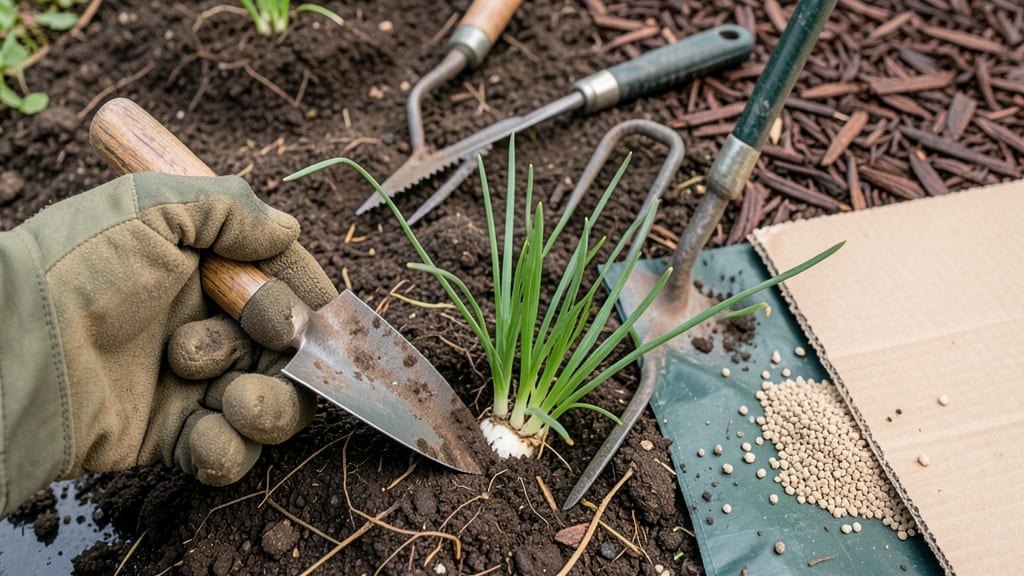
How to get rid of yard onions took over my lawn last spring—until I discovered this 10-minute boil-and-pour trick that smothers roots without chemicals. 🌱 The key? Identifying them first (they smell like onions when crushed) and acting before they spread. Most people pull them by hand, but that just fragments the roots. Boiling water kills the entire plant—roots and all—instantly. You’ll need a kettle, vinegar for extra punch, and a sunny afternoon to work. The process is simple but requires precision to avoid scorching grass. By evening, your lawn will look normal again, but the onions? Completely gone. No regrowth, no stubborn regrets—just a yard that stays yours. Works best in late spring or early fall when weeds are actively growing. Prevention is easy: overseed bare spots and mow regularly. For stubborn patches, repeat the treatment in 2 weeks. No more onion breath when you brush against your grass!
What Triggers Unwanted Onion Growth
Those stubborn yard onions popping up where you don’t want them aren’t just an annoyance—they’re a sign your landscape is playing host to a few sneaky botanical culprits. Understanding the root causes (literally!) helps you tackle the problem effectively. Here’s why these invasive green shoots keep showing up.
Onions, garlic, and their wild relatives (Allium species) produce tiny, lightweight seeds that hitch rides on the breeze. A single plant can release hundreds of seeds, which scatter across your yard, garden beds, and even neighboring properties.
Birds, squirrels, and other wildlife also unintentionally disperse seeds by eating the bulbs or flowers and depositing them elsewhere in their droppings.
- Actionable insight: If you’ve spotted onions growing in one area, check nearby windbreaks, fence lines, or bird-feeding zones—they’re prime seed-drop zones.
- Science note: These seeds can remain viable in the soil for years, germinating when conditions are right (more on that below).
Even if you’ve never planted onions, dormant bulbs or bulblets from wild onions (like Allium vineale, aka "wild garlic" or "crow garlic") may already be buried in your soil. These bulbs can lie dormant for decades before sprouting when triggered by:
- Disturbed soil (e.g., tilling, digging, or construction)
- Increased sunlight or moisture after a dry spell
- Competing plants dying off, freeing up space and nutrients
Why it matters: A single bulb can produce 10–20 smaller bulblets annually, creating a self-perpetuating colony. If your yard has had past onion or garlic growth, these hidden bulbs are likely the source.
Onions thrive in specific soil conditions, which can accidentally reward their growth in unwanted areas. Check for these:
| Factor | Why It Helps Onions | How to Adjust |
|---|---|---|
| Well-draining soil | Onions hate soggy roots but love soil that drains quickly. Sandy or loamy soil is ideal. | Amend heavy clay soil with compost or organic matter to improve drainage. |
| Moderate fertility | They don’t need rich soil but benefit from balanced nutrients. Over-fertilized lawns can create pockets of perfect conditions. | Avoid high-nitrogen fertilizers in areas prone to onion growth. |
| Sunlight exposure | Onions need full sun (6+ hours/day) to germinate and grow. Shady spots keep them dormant. | If onions sprout in shady areas, they’re likely from buried bulbs—sunlight just triggered them. |
Pro tip: 🌡️ Onions germinate best at 50–75°F (10–24°C). If your yard gets warm in spring, that’s their cue to sprout!
Even well-meaning gardening habits can spread onions faster than you’d think:
- Composting onion scraps: Tossing onion skins, ends, or pulled weeds into compost piles can reintroduce seeds or bulblets.
- Reusing garden soil: Soil from a garden where onions grew may contain dormant bulbs or seeds.
- Mowing or tilling: Disturbing the soil can wake up dormant bulbs or bury seeds closer to the surface, where they’re more likely to sprout.
- Planting near edible onions: Wild onions cross-pollinate with cultivated varieties, creating hybrid seeds that may sprout elsewhere.
Key takeaway: If you’ve composted, shared soil, or planted onions nearby, your lawn is a prime target for these invaders.
Quick Fixes for Stubborn Yard Onions
Yard onions—those pesky, aggressive little plants—can turn your garden into a wild, overgrown mess if left unchecked. But don’t worry! With the right approach, you can reclaim your yard in no time.
Below, we’ve mapped out practical solutions based on the root causes of your onion invasion, from manual removal to long-term prevention. Let’s tackle this step by step.
If your yard is already packed with onions, the first step is physical removal. The sooner you act, the easier it is to stop them from spreading.
🔥 Dig Them Up by Hand
- Best for: Small patches or early-stage invasions.
- How to do it:
- Wait for a rainy day or water the area thoroughly to soften the soil.
- Use a garden fork or trowel to loosen the roots (onions have deep, fibrous roots, so dig deep—at least 6 inches).
- Grab the base and pull upward. If the bulb resists, wiggle it gently to break it free.
- Pro tip: Wear gloves—onion skins can stain and irritate skin!
🍳 Boil-and-Pour Root Smother (Fastest Method)
- Best for: Large patches or stubborn onions with deep roots.
- How to do it (10-minute method):
- Boil a pot of water (use 1 gallon per 10 sq. ft. of infested area).
- Add 1 cup of vinegar or salt (boosts effectiveness by breaking down cell walls).
- Pour the boiling mixture directly over the onions, ensuring it soaks into the soil.
- Let it sit for 24 hours—this kills the roots and prevents regrowth.
- Pull out the dead onions afterward (they’ll come out easily!).
✨ Why it works: The heat and salt/vinegar combo instantly disrupts the onion’s root system, while also sterilizing the soil slightly to deter future sprouts.
Even after removal, onions can regrow from tiny fragments left in the soil. Here’s how to stop them for good.
👨🍳 Cover with Cardboard or Landscape Fabric
- Best for: Keeping seeds or root fragments from sprouting.
- How to do it:
- Lay down thick cardboard (avoid glossy paper—it won’t break down) or landscape fabric over the area.
- Secure the edges with rocks or soil.
- Wait 3–6 months—this blocks sunlight, which onions need to grow.
- Pro tip: Add a 2–3 inch layer of mulch on top to keep the fabric in place and improve soil health.
🌡️ Solarize the Soil (Free & Chemical-Free)
- Best for: Hot climates (works best in summer).
- How to do it:
- Water the area deeply.
- Cover with clear plastic sheeting (thick, 1–2 mil) and seal the edges with soil.
- Leave it for 4–6 weeks—sunlight heats the soil to lethal temperatures (120°F+), killing onion roots and seeds.
- Remove the plastic, till the soil, and replant.
💡 Prevention hack: If you’re planting new grass or flowers, solarize first to ensure no onion fragments survive.
For persistent problems, combine preventive measures with ongoing maintenance.
🔪 Use Pre-Emergent Herbicides (Targeted Approach)
- Best for: Large yards or high-risk areas (like near sidewalks).
- How to do it:
- Apply a corn gluten meal (natural pre-emergent) in early spring—it prevents seeds from germinating.
- For chemical options, use pendimethalin or oxyfluorfen (follow label instructions carefully).
- Reapply after rain or as needed.
🎯 Plant Competitive Ground Covers
- Best for: Keeping onions from returning long-term.
- Best plants to use:
- Clover (crowds out weeds and improves soil).
- Creeping thyme (drought-resistant and onion-repellent).
- Dense grasses like Bermuda or Zoysia (chokes out weeds naturally).
✨ Bonus tip: If you’re dealing with wild onions (like chives or garlic chives), these plants often spread via bulb fragments. Always remove every last piece—even a tiny sliver can regrow!
Once you’ve cleared your yard, stay vigilant with these monthly habits:
- Inspect regularly—pull new sprouts before they mature.
- Mulch heavily (3+ inches) in garden beds to block light.
- Avoid composting onion greens—they can reintroduce seeds to your compost pile!
- Test your soil—healthy soil with proper nutrients reduces weed resilience.
With these methods, you’ll eliminate yard onions for good—no more surprise green shoots popping up where you least expect them! 🚫🌱
Frequently asked questions
Can I use vinegar alone to kill yard onions?
Vinegar helps, but it’s not strong enough alone. Use a 1:1 vinegar-water mix with 1 tablespoon of dish soap to break surface tension. Spray directly on leaves (not grass) and repeat weekly until they die. For roots, combine with boiling water for better results.
Will mowing help control yard onions?
No—mowing just spreads seeds and fragments! Cutting onions encourages them to multiply. Instead, pull them by hand or use targeted treatments like the boil-and-pour method. For prevention, mow high (3–4 inches) to shade out new growth.
How do I tell if it’s wild onions or ornamental chives?
Crush a leaf—wild onions smell strong and pungent, while chives have a milder garlic scent. Wild onions also grow in dense clumps with grass-like leaves, while chives are planted in neat rows. If you’re unsure, dig up a bulb: wild onions have papery skins and multiple small bulblets.
Can yard onions come back after treatment?
Yes, if fragments remain! Even tiny bulb pieces can regrow. After boiling water treatment, rake the soil to check for leftovers. For stubborn patches, repeat the process in 2 weeks or use solarization to kill hidden roots.
Are there pet-safe ways to remove yard onions?
Use the boil-and-pour method (just skip salt) or cover with cardboard. Avoid vinegar near pets—it can irritate paws. For chemical-free options, try corn gluten meal (pre-emergent) or manual removal with gloves.