
Size
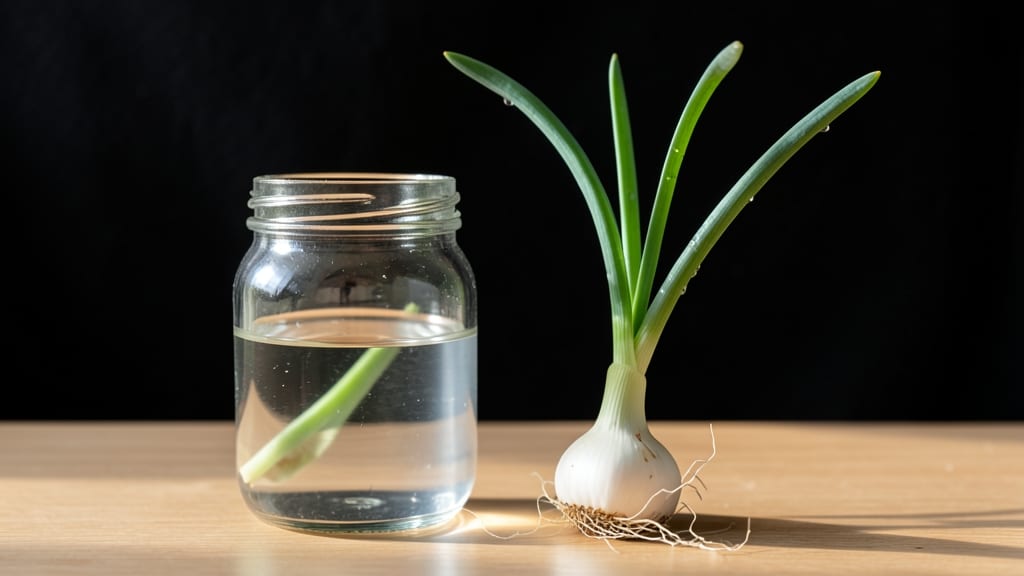
That onion in your fridge has hidden growing power—how to grow onion roots in water is easier than you think. 🌱 I’ve regrown green onions from scraps so many times that my kitchen counter now has a permanent little onion farm—no dirt, no fuss, just fresh greens in 7 days or less.
The secret is simple: just the base of the onion, a shallow container, and a windowsill. No special soil, no fancy tools—just water and patience.
Even my first attempt (which I nearly drowned) taught me the basics: change the water every 2-3 days, keep it in bright light, and watch those roots and shoots appear like magic.
By day 7, you’ll have 3-4 inches of fresh green onions—tender, crisp, and packed with flavor. Snip what you need, and the roots keep growing. It’s the ultimate zero-waste hack that turns grocery scraps into a pantry staple.
Works for any green onion or shallot, and you can even transplant the roots to soil later if you want a permanent harvest. Here’s exactly how to make it happen—no green thumb required.
📚 In This Guide
- What you need
- Instructions
- Tips and common mistakes
- Wrapping up and next steps
What you need
- ● Onion scraps: 2–3 inches of the white and green root ends (save the bulb for cooking!).
- ● Clean water: 1–2 cups of room-temperature tap or filtered water (avoid chlorinated water if possible).
- ● Container: A small glass, jar, or bowl (at least 2–3 inches wide to hold the scraps securely).
- ○ Optional light source: A sunny windowsill or grow light (if natural light is limited).
- ● Fresh water: Change every 2–3 days to prevent bacteria.
- ● Twine or rubber band: To secure scraps if they wobble.
- ● Scissors: For trimming scraps to 1–2 inches if needed.
- ○ Organic fertilizer (diluted): 1 tsp per gallon of water (optional boost for faster growth!).
Step-by-Step instructions for growing green onions in water
Here's how to regrow fresh green onions in just a week using nothing but water.
🪴 Step 1: Select and Prepare Your Onion Stumps
Grab 4 fresh white or yellow onions from your kitchen—these are the perfect candidates for regrowth. The key is to cut them just right: leave 1-2 inches of the root end intact (the white bulb part). The roots need to stay attached to absorb water and nutrients. I like to make the cut at an angle—it gives the roots more surface area to spread out later.
Don't use onions that have sprouted green shoots already; those are past their prime for this method. Also, skip any onions with soft spots or mold—they won't regrow properly. Rinse the cut ends under cool water to remove any dirt or debris, then set them aside to dry for 5-10 minutes. You'll know they're ready when the cut surface looks slightly damp but not wet.
💧 Step 2: Submerge Roots in Water
Fill a shallow container—like a small glass or jar—with enough water to cover the roots by about ½ inch. I use a clear glass so I can monitor the water level and root growth easily. Place the onion stumps in the water, making sure the white bulb sits above the waterline. The roots should dangle freely without touching the sides of the container.
Change the water every 2-3 days to prevent bacterial growth. You'll notice tiny white root hairs sprouting within 24-48 hours—that's your first sign of success. If the water turns cloudy or smells funky before then, dump it and refresh with clean water. Keep the container in a spot with bright, indirect light (like a kitchen windowsill) for now—direct sun can scorch the new growth.
☀️ Step 3: Encourage Leaf Growth
After 3-4 days, you'll see the first green shoots poking through the top of the onion. This is the moment that matters: move the container to a location with 4-6 hours of direct sunlight daily. A south-facing window is ideal, but a grow light works too if natural light is limited. You'll know the light is right when the new leaves stay upright and bright green—not leggy or pale.
Keep the water level consistent—just enough to cover the roots by ½ inch. Over time, the roots will thicken and spread out, so you may need to trim any that touch the container sides. Within 7 days, you'll have 2-3 inches of fresh green onion tops ready to harvest. The secret? Consistency. Don't let the water level drop too low, and don't let it pool too high—both can stunt growth.
✂️ Step 4: Harvest and Maintain
When the green tops reach 3-4 inches, it's time to harvest. Use clean scissors to snip just above the waterline, leaving the onion stump intact. You can regrow the same stump 2-3 more times by simply placing it back in fresh water. Each regrowth will be slightly smaller, but you'll still get usable greens for weeks.
Here's the thing—once you start, you won't want to stop. I keep a small jar of onion stumps on my counter and rotate them weekly. Just remember: the water must stay clean, and the light must stay bright. If the leaves turn yellow or wilt, it's usually a sign of too much water or not enough light. Adjust accordingly, and you'll have a steady supply of fresh green onions without buying another bulb.
Tips & tricks for regrowing green onions in water
Here's what nobody tells you about getting the most out of your onion regrowth experiment.
Cutting Technique: That angled cut in Step 1 isn't just for looks—it creates more surface area for the roots to spread out. I've found using a sharp knife at a 45-degree angle gives the best results. If you're worried about making a perfect angle, just aim for about 1/3 of the onion's diameter remaining intact. The key is keeping the root end intact while maximizing the cutting surface for new root growth.
Water Level Watch: Maintaining that ½-inch water level is crucial, especially after the 24-48 hour mark when roots start thickening. I've ruined several batches by letting the water evaporate completely—always check before you leave for work. A clear container makes this easy to monitor. If the roots start touching the sides, they'll grow in strange directions, so trim them back occasionally with clean scissors.
Light Transition: The move from indirect to direct light after 3-4 days is where most people mess up. I've seen regrowth fail because someone kept their onions in dim light too long. Look for the first green shoots as your signal—once they appear, move to that sunny spot immediately. If you don't have direct sunlight, a simple LED grow light on a timer works perfectly for the 4-6 hours needed daily.
Harvesting Hack: When harvesting those 3-4 inch tops, don't just grab and pull! Use clean kitchen scissors to snip just above the waterline. This prevents damaging the stump for future regrowths. I've found that storing harvested greens in a glass of water in the fridge keeps them fresh for up to a week—just like fresh-cut onions from the store.
Pro Tips for Grow Onion Roots In Water
- Here's what nobody tells you about getting the most out of your onion regrowth experiment.
- Cutting Technique: That angled cut in Step 1 isn't just for looks—it creates more surface area for the roots to spread out.
- Water Level Watch: Maintaining that ½-inch water level is crucial, especially after the 24-48 hour mark when roots start thickening.
Frequently asked questions
Got questions about growing onion roots in water? You’re not alone! Here are some of the most common queries—and quick, easy answers to help you succeed.
How long does it take for onion roots to grow in water?
With the right conditions, you’ll see tiny roots in just 3–5 days, but full regrowth (with 3–4-inch greens) takes about 7–14 days. Patience pays off—keep the water fresh and your onions happy!
Can I reuse the water when growing onion roots?
Nope! Change the water every 1–2 days to prevent bacteria or mold. Stale water = sad roots. Use a shallow container (like a glass) and top off with fresh, room-temperature water to keep things clean.
What if my onion roots turn brown or mushy?
Brown/mushy roots? Overwatering or rot is likely. Drain excess water immediately and let the base dry slightly between refills. If the bulb itself softens, toss it—regrowth won’t fix that!
Can I eat the regrown onions from water?
Yes, they’re safe and tasty
—just rinse well before using. The greens are mild and perfect for salads, stir-fries, or garnishes. The bulb may shrink slightly but stays usable for cooking.
Will this method work for other veggies, like garlic or leeks?
Garlic and leeks
can regrow in water too, but the process is slower. Try it with green garlic (scallions) for best results—they’re the easiest to revive!
Wrapping up and next steps
Growing onion roots in water is a simple, rewarding way to regrow fresh green onions in just 7 days—no soil or garden required! 🌱 With just a few basic supplies and a little patience, you can enjoy crisp, flavorful greens straight from your kitchen counter.
Whether you're a beginner or a seasoned plant enthusiast, this method is perfect for saving money and reducing waste.
Ready to take the next step? Experiment with different water changes or lighting conditions to see what works best for your setup. Once your roots and greens are thriving, why not try growing other herbs or veggies in water? Happy growing! 🌟