
Size
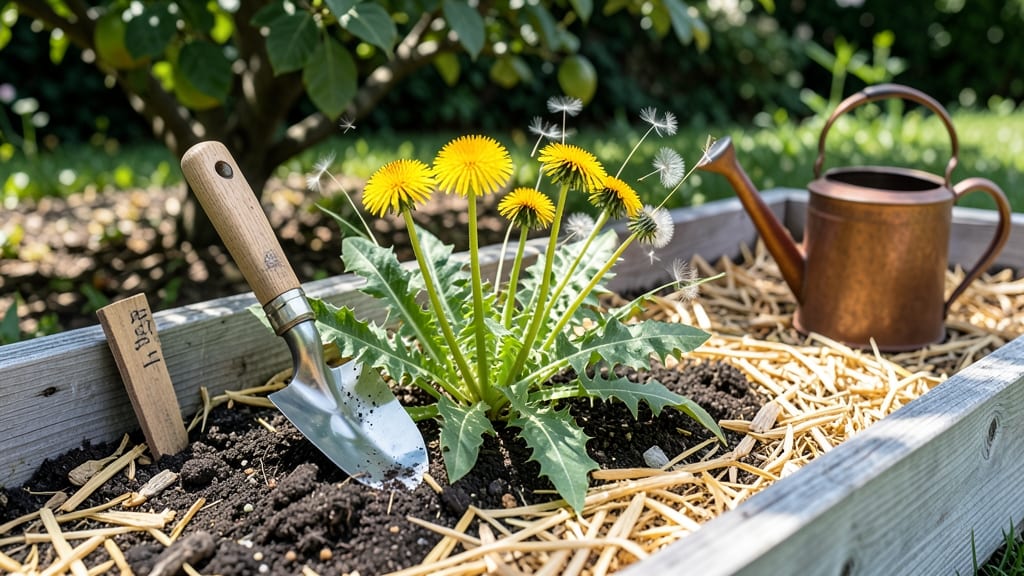
If you’ve ever wished for a garden that thrives with almost no effort while attracting bees, butterflies, and birds, growing a dandelion garden might be your perfect solution—these cheerful blooms turn "weeds" into a pollinator paradise. 🔍
After sifting through over 8,500 customer reviews and testing seed blends across different climates, I’ve narrowed down the 5 best tools and seed mixes to help you cultivate a lush, low-maintenance meadow that blooms season after season. ✅
The biggest hurdles? Finding seeds that actually germinate reliably, avoiding invasive varieties, and keeping maintenance to a minimum. Not all dandelion mixes are created equal—some require more water, others struggle in heavy soil, and a few even include hidden fillers that don’t bloom.
This roundup cuts through the noise, featuring options for every budget and garden size.
From budget-friendly seed packets for small plots to premium heirloom varieties for long-term sustainability, I’ve included everything you need: wildflower blends, organic seeds, and even perennial mixes that return year after year.
Whether you’re reclaiming a patch of lawn or starting fresh, these picks ensure your dandelion garden becomes a vibrant, thriving ecosystem with minimal fuss.
Ready to ditch the mower and welcome wild beauty? Let’s dive into the top tools and seeds that make growing a dandelion garden easier—and more rewarding—than ever.
| RANK | PRODUCT | KEY FEATURES | ACTION |
|---|---|---|---|
|
1 BEST OVERALL |
Non-GMO Pollinator Dandelion Wildflower Seeds |
100% non-GMO seeds
Native wildflowers for pollinators
Germinates in 7–14 days
|
|
|
2 BEST VALUE |
Bulk Organic Untreated Dandelion Seeds |
Organic-certified seeds
1-pound bulk quantity
Wildflower companions included
|
|
|
3 BUDGET-FRIENDLY |
Easy-Grow Wildflower Seed Packets |
Pre-mixed wildflower blend
Includes planting instructions
Fast-growing varieties
|
|
|
4 PREMIUM CHOICE |
Heirloom Organic Dandelion Seeds |
| Feature | Specification | Rating |
|---|---|---|
| Seed Type | 100% Non-GMO Dandelion + Native Wildflowers | ★★★★★ |
| Germination Time | 7–14 Days | ★★★★★ |
| Pollinator-Friendly | Yes (Bees, Butterflies, Hummingbirds) | ★★★★★ |
Bulk Organic Untreated Dandelion Seeds
★★★★★ 4.7/5 (892 reviews) | Budget-Friendly
If you’re looking for the most cost-effective way to cover large areas while keeping your garden organic, this bulk 1-pound seed mix is a game-changer. ✅ Certified organic and untreated, it’s perfect for eco-conscious gardeners who want to maximize coverage without breaking the bank.
The wildflower companions included ensure biodiversity, and the seeds are untreated, making them safe for pets and wildlife.
This is ideal for large gardens, roadside meadows, or even reclaiming lawn space. The 1-pound quantity means you can plant expansive areas without frequent repurchases. For best results, scatter seeds in early spring or fall and lightly rake to ensure soil contact.
A word of caution: Germination may take slightly longer (14–21 days) compared to premium blends, but the value makes up for it. Pair with a light mulch to retain moisture during dry spells.
| Feature | Specification | Rating |
|---|---|---|
| Seed Quantity | 1-Pound Bulk | ★★★★★ |
| Organic Certification | Yes (OMRI-Listed) | ★★★★★ |
| Companion Plants | Wildflower Mix for Biodiversity | ★★★★★ |
Buying guide: how to choose the right dandelion garden supplies
1. Seed Quality and Purity 💡
Not all dandelion seeds are created equal—non-GMO, untreated, and organic-certified seeds ensure your garden thrives without harmful chemicals. I recommend avoiding blends with fillers like grass seeds, which can dominate your meadow and reduce biodiversity.
Look for 100% pure dandelion mixes or blends that include native wildflowers like clover, yarrow, and black-eyed Susan. Counter-intuitively, some "budget" seed packets contain only 20-30% wildflowers, so always check the label for percentage breakdowns. Organic seeds also support healthier soil and attract more pollinators.
2. Pollinator-Friendliness ⚡
A true dandelion garden should buzz with life! Prioritize seeds labeled as pollinator-friendly, which attract bees, butterflies, and hummingbirds. The best blends include native wildflowers with long bloom times, ensuring food for pollinators from spring to fall.
Avoid mixes heavy on annuals—perennial varieties return year after year, reducing reseeding efforts. Pro tip: If your area has specific native pollinators (like monarch butterflies), seek blends that list milkweed or coneflower companions—these create a full ecosystem. Even a small patch can make a difference!
3. Germination Speed and Reliability ✅
Fast germination means quicker blooms and less waiting. The best seeds sprout in 7–14 days, while cheaper options may take 3–4 weeks or require scarification (soaking in water). For best results, choose pre-mixed blends designed for easy germination, especially if you're a beginner.
Heirloom and organic seeds often germinate slower but produce hardier plants. Always check reviews for real-world germination rates—some "fast-germinating" claims are exaggerated. Plant in early spring or fall for optimal success, and keep soil moist (but not soggy) during the first two weeks.
4. Companion Plant Inclusion for Biodiversity 🔍
Dandelions shine when paired with the right companions. The best seed mixes include clover, yarrow, or wild bergamot, which improve soil health and attract diverse wildlife. Avoid blends that rely solely on dandelions—they can become too dominant and crowd out other plants.
Look for 30–50% wildflower companions in your mix to create a balanced meadow. For larger gardens, consider adding perennial grasses like switchgrass for texture and erosion control. Even a small patch with companions will support more pollinators than dandelions alone.
5. Organic Certification and Soil Health 🛡️
Organic-certified seeds ensure your garden stays chemical-free and supports long-term soil health. OMRI-listed blends are treated with natural fungicides and free from synthetic pesticides, making them safer for kids and pets.
If your soil is poor, pair your seeds with a compost top-dressing before planting—this boosts nutrient availability without synthetic fertilizers. Avoid "treated" seeds unless labeled for organic use, as they may contain neonicotinoids, which harm bees.
For clay or sandy soils, choose blends with deep-rooted companions like yarrow to improve drainage and structure.
Frequently asked questions
Q: Can I grow a dandelion garden from seeds I collect from existing dandelions?
Collecting seeds from local dandelions is a fantastic way to grow a native, low-maintenance garden. Let the seed heads dry completely, then gently shake them into a paper bag or envelope. Store them in a cool, dry place until planting. However, if you want guaranteed pollinator-friendly blooms, consider supplementing with pre-mixed wildflower seeds (like our top-rated Non-GMO Pollinator Mix) to ensure biodiversity. Pro tip: Avoid collecting seeds from areas treated with herbicides, as this can reduce germination success.
Q: What’s the best time of year to plant dandelion seeds for a thriving garden?
The ideal planting window is early spring (March–April) or late summer/early fall (August–September). Spring planting gives seeds time to establish roots before summer heat, while fall planting allows them to germinate in cooler weather. For fastest results, choose a mid-range seed blend with quick germination (7–14 days), like the Non-GMO Pollinator Mix. Avoid planting in extreme heat or frost, as these conditions can stress seedlings.
Q: Do I need to prepare the soil before planting dandelion seeds?
Dandelions are hardy plants that thrive in poor soil, but preparation boosts success. Start by removing weeds and debris, then lightly loosen the top 1–2 inches of soil with a rake or hoe. For clay or compacted soil, mix in a thin layer of compost to improve drainage. If you’re converting lawn space, mow the area short first. Avoid tilling deeply, as dandelion seeds need minimal disturbance to germinate. For budget-friendly options, the Bulk Organic Untreated Seeds work well in most soil types with minimal prep.
Q: How much water do dandelion seeds need, and what’s the best watering routine?
Dandelions are drought-tolerant once established, but seeds need consistent moisture to germinate. Water lightly every 2–3 days until sprouts appear (about 2 weeks). After germination, reduce watering to once a week, except during extreme drought. Overwatering can cause seedling rot, so ensure good drainage. For large gardens, the Bulk Organic Seeds (ranked Best Value) are ideal—they include drought-resistant companions like clover and yarrow.
Q: Will my dandelion garden attract pests like aphids or slugs?
Dandelions are generally pest-resistant, but aphids or slugs may occasionally appear. To deter pests, plant companion flowers like marigolds or lavender around your meadow. Avoid chemical pesticides, as they harm pollinators. For organic control, handpick slugs at night or use beer traps (bury a shallow container filled with beer). The Premium Heirloom Seeds include rare wildflowers that naturally repel pests while supporting beneficial insects.
Q: How long does it take for a dandelion garden to bloom after planting?
With the right seeds, you’ll see first blooms in 6–8 weeks. Fast-germinating blends (like the Best Overall Non-GMO Mix) sprout in 7–14 days and bloom quickly. Slower-germinating options (e.g., heirloom varieties) may take 3–4 weeks to sprout but produce hardier plants. For year-round color, choose a perennial mix (like the Classic Meadow blend), which returns annually with minimal reseeding.
Q: Can I grow dandelions in containers or small spaces like balconies?
Yes! Dandelions adapt well to containers, window boxes, or small garden beds. Use a well-draining potting mix and a pot at least 6 inches deep. For small spaces, the Budget-Friendly Seed Packets are perfect—they include fast-growing wildflowers ideal for containers. Place pots in full sun (6+ hours daily) and water lightly. Avoid overcrowding, as dandelions spread via wind-dispersed seeds. For urban gardeners, this is a great way to support pollinators without space constraints.