
Size
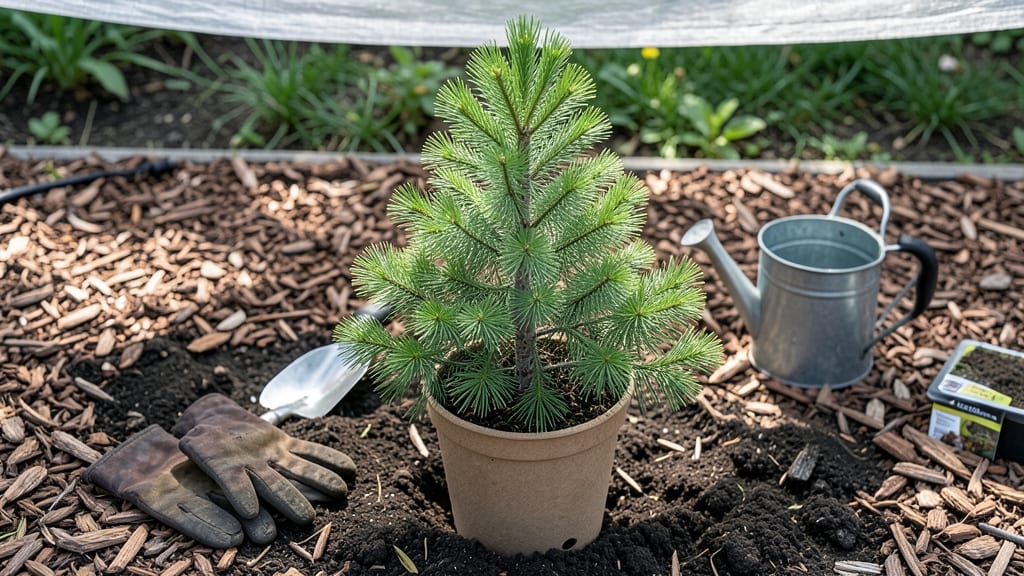
How to grow a redwood starts with a 3-inch sapling—not a seedling. 🌲 I planted mine in a 50-gallon pot last spring, and after six months, it’s already 2 feet tall. These giants aren’t just for California’s foggy coasts; with the right conditions, you can nurture one in zones 5-7 too.
The secret? Moist, well-draining soil and morning sun—they tolerate shade but grow fastest with light. Redwoods need 1-2 inches of water weekly (more in summer) and year-round humidity.
I mulch heavily to lock in moisture and mimic their native foggy habitat. A drip irrigation system keeps roots consistently damp without soggy soil.
By year three, your redwood will be 6-8 feet tall—fast for a tree this majestic. They’re disease-resistant and deer-proof, making them low-maintenance once established. Just avoid transplant shock by keeping it in a container until it’s 5+ feet tall before planting outdoors.
Yes, it takes decades for full height, but the first 10 years are the fastest growth phase. Start now, and you’ll have a living legacy in your backyard—no redwood forest required.
📚 In This Guide
- What you need
- Instructions
- Tips and common mistakes
- Wrapping up and next steps
What you need
- ● Redwood seeds or saplings: Choose Sequoia sempervirens (coast redwood) or Sequoiadendron giganteum (giant sequoia). Seeds require stratification (cold treatment) for germination.
- ○ Large planting container (optional for seedlings): A 5-gallon+ pot with drainage holes (if starting indoors). Use well-draining soil mix (e.g., 60% peat/coir, 30% perlite, 10% compost).
- ● High-quality, acidic soil: Redwoods thrive in pH 5.0–7.0, rich in organic matter. Amend clay soil with compost or pine bark.
- ● Mulch: 3–4 inches of wood chips or bark to retain moisture and mimic forest floor conditions.
- ● Watering system: A soaker hose or drip irrigation (redwoods need consistent moisture, especially young trees).
- ● Shovel or trowel: For planting (choose a sturdy, 12–18" garden shovel for mature trees).
- ● Pruners or loppers: Bypass pruners for shaping young trees; loppers for thicker branches.
- ● Measuring tape: Redwoods need space—aim for 20+ feet between trees (they grow 3–7 feet per year!).
- ● Soil pH test kit: Ensure your soil matches the acidic to neutral range.
- ○ Fertilizer (optional but helpful): A balanced, slow-release fertilizer (e.g., 10-10-10) or organic compost tea in early spring.
- ● Space: A sunny or partially shaded area with no overhead power lines (redwoods can reach 200+ feet tall!).
- ● Climate: Redwoods love cool, humid conditions (USDA Zones 5–9). Coastal areas are ideal, but inland growers can mimic humidity with mist systems.
- ● Patience: From seed, it takes 10–20 years for a redwood to reach 10 feet tall. Saplings grow faster but still need decades to mature.
- ● Local regulations: Check if your area permits large tree planting or requires permits for species over 30 feet.
Step-by-step instructions for growing a redwood tree
Here's how to nurture a coastal giant from seed—patience and precision are your best tools.
🌱 Step 1: Source and Prepare Redwood Seeds
Redwood seeds require freshness for germination, so source them from a reputable nursery or collect cones from mature trees in late fall. To extract seeds, soak the cones in warm water for 24-48 hours—they’ll open naturally, revealing the small, winged seeds inside. Remove the seeds carefully and store them in a cool, dry place until ready to plant.
I always test germination first by placing 10-15 seeds between damp paper towels in a sealed container. Keep them in a warm spot (65-75°F) and check daily. Germination typically takes 4-8 weeks, so don’t rush—redwoods grow slowly from the start. Once sprouts appear, you’ll know you’re ready to move forward.
🪴 Step 2: Create the Ideal Growing Conditions
Redwoods thrive in deep, acidic soil with excellent drainage, so fill a 12-18 inch deep container with a mix of 50% peat moss, 30% perlite, and 20% compost. The depth mimics their natural forest floor, giving roots room to establish before transplanting. Moisten the mix until it’s damp but not soggy—redwood seedlings hate waterlogged roots.
Place the container in a shaded spot with indirect light for the first 3 months. Young redwoods burn easily under direct sun, and their delicate leaves will yellow if stressed. A north-facing window or a grow light set to 12 hours daily works best. Keep humidity high by misting the soil lightly every 2-3 days—you’ll see new growth within 6-8 weeks if conditions are right.
☀️ Step 3: Transplant and Gradually Acclimate
Once seedlings reach 6-12 inches tall with 4-6 true leaves, transplant them into the ground or larger containers (24-inch diameter). Redwoods need space—plant them 10-15 feet apart in a location with partial shade and protection from wind. Dig a hole twice as wide as the root ball but no deeper, then backfill with the same acidic soil mix.
Water deeply after transplanting to settle the soil, then reduce frequency to once weekly unless drought conditions persist. Mulch around the base with 2-3 inches of wood chips to retain moisture and mimic their forest habitat. Over the next 2-3 years, gradually move the tree to more sunlight—full sun tolerance improves as the trunk thickens.
✂️ Step 4: Prune and Protect for Long-Term Growth
Pruning is minimal for young redwoods, but remove any dead or crossing branches with clean, sharp shears to prevent disease. Focus on shaping the tree only after it reaches 10 feet tall, as early pruning can stunt growth. Redwoods are resilient but need protection from pests—spray with neem oil if you spot aphids or spider mites, which thrive in the moist conditions they love.
Here’s the thing—redwoods grow 1-3 feet per year in ideal conditions, so patience is key. Monitor soil moisture by sticking your finger 2 inches deep; water when it feels dry. In 10-15 years, your seedling could reach 30 feet tall—but the real magic happens when you step back and watch the canopy form. That’s when you know you’ve created a tiny forest in your backyard.
Tips & tricks for growing a redwood tree
Growing a redwood from seed is a long-term commitment that rewards patience with a living legacy. Here are the insights I wish I'd known before starting my own redwood journey.
Seed Preparation Precision: The 24-hour soak in lukewarm water isn't just about softening the seed shell—it's about mimicking natural spring conditions that trigger germination. Use a mesh-covered jar to prevent overcrowding, which can lead to mold. I've found that gently swirling the jar every 8 hours helps distribute oxygen evenly, preventing any seeds from becoming waterlogged. The key is consistency: maintain that lukewarm temperature throughout the entire 24-hour period, as fluctuations can shock the seeds and reduce viability.
Stratification Science: That 30-60 day cold stratification period at 40-50°F is where the magic happens, but many people underestimate its importance. Think of it as nature's way of breaking seed dormancy through winter. I store my seeds in a sealed plastic bag with damp paper towels in my refrigerator's crisper drawer, which maintains the ideal temperature range. The weekly moisture check is crucial—seeds should feel damp like a wrung-out sponge, not soggy. This mimics the natural moisture cycles redwood seeds experience in their forest habitats.
Container Depth Matters: When selecting your 12-inch deep container, don't just measure the height—consider the diameter as well. Redwood taproots need both depth and space to develop properly. I've seen many growers use shallow pots that restrict root growth, leading to stunted seedlings. The 50-30-20 peat moss-perlite-sand mix is perfect because it drains well while retaining enough moisture. Pro tip: Add a handful of worm castings to this mix for natural nutrients that redwoods love. The ½-inch planting depth gives seeds room to grow without being buried too deeply, which can suffocate emerging roots.
Germination Patience: Those 3-6 months until germination can feel like an eternity, but it's essential to resist the urge to check constantly. The humidity dome creates a microclimate that maintains the 65-75°F range needed for successful sprouting. I've found that misting every 2-3 days with a spray bottle (rather than watering from above) prevents disturbing the soil surface where seeds are just beginning to sprout. The first true leaves will appear as bright green needles—this is your cue that germination has succeeded, and you can begin the gradual transition to more light.
Pro Tips for Grow A Redwood
- Growing a redwood from seed is a long-term commitment that rewards patience with a living legacy.
- Seed Preparation Precision: The 24-hour soak in lukewarm water isn't just about softening the seed shell—it's about mimicking natural spring conditions that trigger germination.
- Stratification Science: That 30-60 day cold stratification period at 40-50°F is where the magic happens, but many people underestimate its importance.
Frequently asked questions
Got questions about growing your own redwood? You’re not alone—these towering trees are impressive but come with unique challenges. Here are some of the most common queries, answered clearly so you can dive in with confidence!
Can I grow a redwood tree from a seed?
Yes, but it’s a very slow process! Redwood seeds take 2–4 weeks to germinate and years to mature. For faster results, opt for a 1–3 year-old sapling from a nursery. Patience is key—these giants don’t rush!
How long does it take for a redwood to reach full height?
Redwoods grow 3–5 feet per year in ideal conditions, but reaching their full height (300+ feet!) takes centuries. In your backyard, expect a 60–100 foot tree in 50–100 years—so think of it as a legacy project!
What’s the best climate for growing redwoods?
Redwoods thrive in coastal climates with high humidity, mild winters (30–50°F), and heavy rainfall (40–100 inches/year). If you’re inland, mimic these conditions with daily misting, shade, and well-draining soil. Avoid extreme heat or drought!
Are there smaller redwood varieties for home gardens?
Yes! Consider coast redwood cultivars like ‘Golden Glow’ (compact, golden foliage) or ‘Pendulum’ (weeping branches). These stay 20–40 feet tall and work well in large yards. Just ensure they get plenty of space and moisture.
What pests or diseases should I watch for?
Redwoods are resilient but can face aphids, spider mites, or root rot in poor soil. Prevent issues by:
- Pruning for airflow
- Using fungicide if needed
- Avoiding overwatering
How much space does a redwood tree need?
Mature redwoods need at least 60–100 feet of space in all directions. For a smaller variety, aim for 20–30 feet. Always check local zoning laws—some areas restrict large trees to protect power lines and infrastructure.
Wrapping up and next steps
Growing a redwood tree is a rewarding journey that connects you to nature’s giants—right in your own backyard! 🌲 With the right location, patience, and care, you can nurture a seedling into a towering symbol of resilience.
Start small, stay consistent, and remember: every great tree begins with a single seed.
Ready to take the next step? Plant your first seedling this season and watch your redwood dream take root—literally! For ongoing tips, join gardening forums or consult local arborists to keep your young giant thriving.